
Phalaris gall midge
Mayetiola phalaris
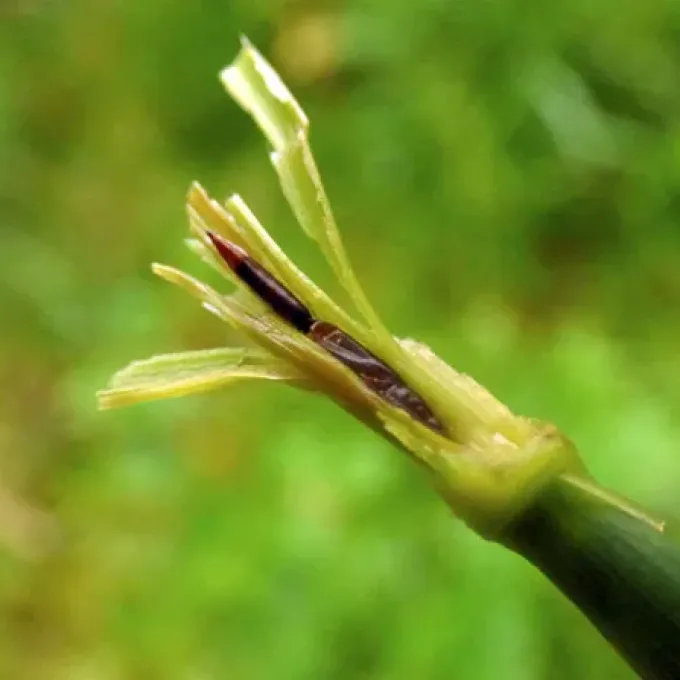
Description
How to identify
The Phalaris gall midge (Mayetiola phalaris) is a small dipteran insect belonging to the family Cecidomyiidae. Adults are delicate, gnat-like insects with long, slender legs and antennae, reaching lengths of about 2 to 3 millimeters, often remaining unnoticed due to their size.
What it damages
This pest specifically targets grass species, with a strong preference for reed canary grass (Phalaris arundinacea). It is a specialized herbivore that limits its host range to certain grasses, which can lead to economic losses in pasture and fodder production.
When it appears
The life cycle involves multiple generations per year depending on the climatic conditions. The midge survives the winter season primarily as larvae inside puparia, often protected within the stubble or in the soil surface, emerging as adults once favorable temperatures return.
Signs of infestation
Larvae feed within the plant tissues, typically situated near the nodes beneath leaf sheaths. Their feeding activity causes the plant to develop distinct swellings known as galls, which disrupt the normal transport of nutrients and water throughout the grass stem.
Symptoms of infestation include stunted growth, chlorosis, and the failure of the plant to produce healthy inflorescences. Infected tillers may become brittle or display characteristic twisting, making them more susceptible to lodging and secondary infections by fungi or bacteria.
Control measures
Management strategy relies heavily on cultural practices such as early harvesting, which removes the larvae before they emerge as adults. Maintaining field hygiene and rotating susceptible grass crops with non-host species are critical steps in reducing the local midge population.
Taxonomy
- Latin name
- Mayetiola phalaris
- Order
- Diptera (flies)
- Family
- Cecidomyiidae
- EPPO code
- MAYEPH
Discussion
No discussions yet — be the first.