
Bast scale
Matsucoccus feytaudi
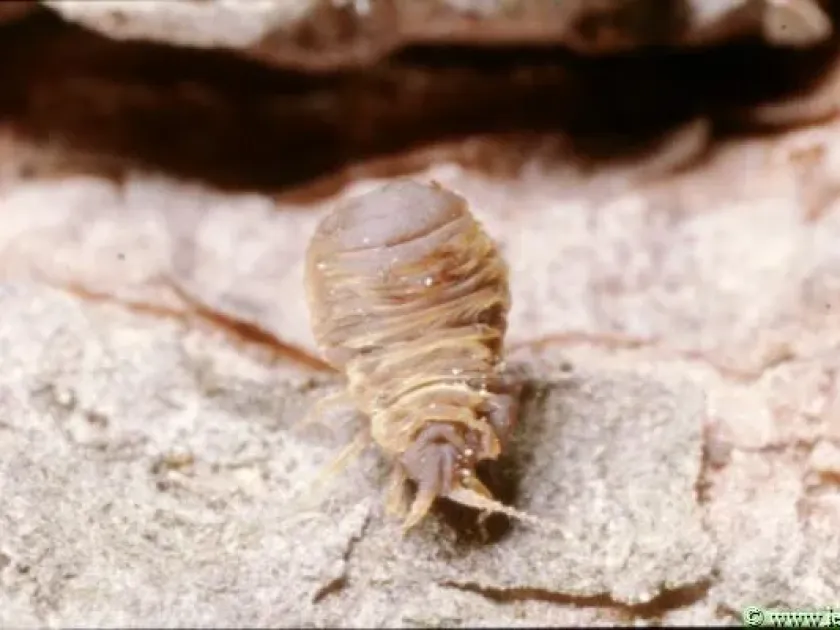
Description
How to identify
The bast scale (Matsucoccus feytaudi) is a specialized insect pest belonging to the Matsucoccidae family, which significantly impacts pine forests.
Adult females of this species are sessile, meaning they remain fixed in one spot on the tree, where they feed and develop, protected by a waxy secretion.
Adult males are winged and highly active, allowing them to locate sedentary females during the mating season, which is crucial for the reproductive success of the colony.
The first-instar larvae, often referred to as crawlers, are mobile and minute, enabling them to disperse via wind currents to colonize healthy parts of the host tree.
This species is highly host-specific, primarily infesting maritime pine (Pinus pinaster) and other related pine species within their geographic range.
What it damages
The bast scale feeds exclusively on the phloem of pine trees, causing disruption to the tree's vascular system by continuously extracting essential plant nutrients.
As a result of this intensive feeding, the tree experiences a significant decline in vitality, often resulting in weakened growth and reduced resistance to environmental stress.
Severe infestations lead to the physiological decline of the host, as the scale insects colonize the bark crevices along the trunk and major branches.
Damage symptoms often mirror those of water stress or fungal disease, making early detection difficult without a thorough inspection of the bark surfaces.
Continuous feeding damage makes trees highly susceptible to secondary attacks from bark beetles and other wood-boring insects, which can eventually kill the tree.
When it appears
The life cycle of Matsucoccus feytaudi is typically univoltine, meaning there is one generation per year, governed by seasonal climatic shifts.
The mating period usually occurs in the spring, triggered by rising temperatures that facilitate the emergence and flight of male insects.
Females lay their eggs in protected crevices within the tree bark, often encased in waxy material to shield the eggs from desiccation and predation.
Larval development takes place during the summer months as they disperse and settle on the bark, preparing for the transition to the next life stage.
The insect typically overwinters in the larval stage, tucked deep within the bark scales, which provides a thermal refuge against harsh winter weather conditions.
Signs of infestation
Visual identification starts with the observation of premature yellowing and thinning of the foliage, which often indicates that the tree's health is severely compromised.
A telltale sign of the presence of bast scale is the appearance of small, white, cottony wax filaments visible in the cracks and fissures of the bark.
Increased resin flow, commonly known as resinosis, is a typical defensive response of the pine tree to the injury caused by the insect's mouthparts.
Growth measurements often show a decline in needle length and annual stem increment, reflecting the loss of energy reserves diverted by the scale insect colony.
- Yellowing and loss of needles in the upper crown.
- Presence of white waxy secretions in bark fissures.
- Excessive resin bleeding on the trunk.
- Reduced annual growth and sparse needle density.
Control measures
Integrated pest management for the bast scale relies heavily on early detection through regular forest health monitoring and the use of pheromone-baited traps.
Sanitation measures, such as the prompt removal and destruction of heavily infested trees, are essential to prevent the spread of the insect to nearby healthy trees.
Biological control programs utilizing natural predators, such as ladybird beetles and specific parasitic wasps, have shown potential in keeping scale populations at low levels.
Chemical intervention with systemic insecticides may be employed in high-value ornamental or park settings, applied during the vulnerable periods of larval emergence.
Strict quarantine and movement restrictions on pine timber and nursery stock are critical to preventing the accidental introduction of Matsucoccus feytaudi into new areas.
Taxonomy
- Latin name
- Matsucoccus feytaudi
- Order
- Hemiptera (bugs, aphids, leafhoppers)
- Family
- Matsucoccidae
- EPPO code
- MATSFE
Discussion
No discussions yet — be the first.