
Chrysanthemum aphid
Macrosiphoniella oblonga
Description
How to identify
The chrysanthemum aphid, known scientifically as Macrosiphoniella oblonga, belongs to the family Aphididae. It is a specialized pest that specifically targets plants within the Asteraceae family, particularly Chrysanthemum species.
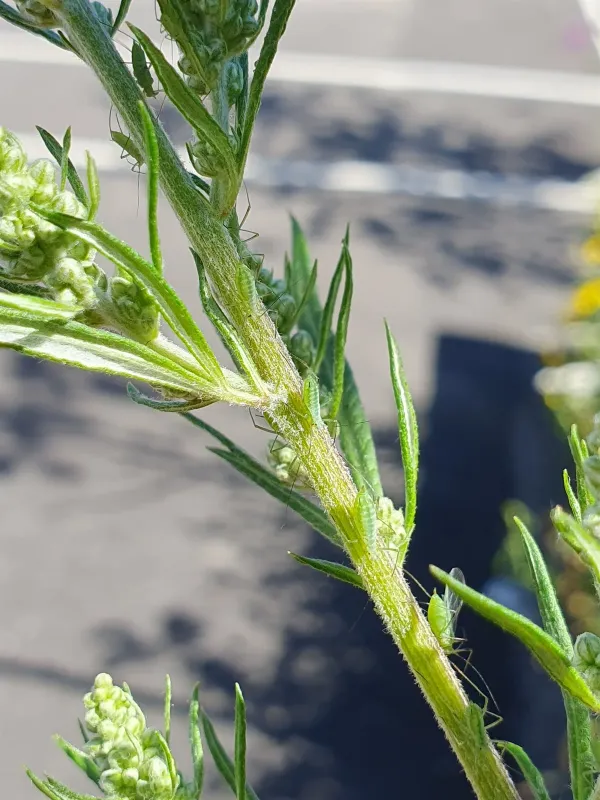
Adult aphids typically measure 2 to 3 mm in length. Their body color can vary from light green to dark brown, often matching the host plant's stem color to provide excellent camouflage against predators.
Like other aphids, they possess long, slender cornicles on their abdomen. Their development is characterized by rapid parthenogenesis, allowing populations to explode within a short timeframe during favorable weather conditions.
They usually congregate in dense clusters on young, succulent parts of the plant, such as tender growing tips, flower buds, and the undersides of young leaves, where they extract plant sap.
The life cycle involves an overwintering egg stage on plant debris, ensuring the pest survives the winter and begins feeding on new growth as soon as temperatures rise in the spring.
What it damages
Feeding by Macrosiphoniella oblonga causes significant physiological stress to the host plant. By draining essential sap, they stunt growth and prevent the normal development of leaves and shoots.
The aphids inject saliva containing enzymes into the plant, which often results in severe leaf curling, twisting, and bud deformation, rendering the flowers aesthetically unacceptable for gardening or sale.
Aphids excrete honeydew, a sticky substance that falls onto lower leaves and stems. This creates an ideal environment for sooty mold fungi to grow, which covers the plant in black fungal growth and hampers photosynthesis.
Beyond direct damage, this species acts as a vector for various viral diseases. Once a plant is infected with a virus transmitted by aphids, it often declines rapidly and cannot be cured.
In cases of heavy infestation, plants may suffer from chlorosis, become weakened, and lose their vigor, eventually leading to the failure of the entire crop or loss of floral display.
When it appears
Activity typically peaks in late spring and throughout the summer. The most critical period for plant damage is during the active growth phase and the onset of the budding stage of the chrysanthemum.
In greenhouses, where temperatures are controlled, this aphid can reproduce year-round, creating a persistent threat to commercial flower production that requires constant monitoring.
Signs of infestation
Visible signs include stunted, curled foliage and deformed buds. A close look at the growing points usually reveals colonies of small, wingless or winged insects clustered tightly together.
The presence of a sticky, glistening residue (honeydew) on foliage or the development of black, powdery spots (sooty mold) are clear diagnostic signs of a well-established aphid population.
Control measures
Cultural control is the first line of defense; this includes maintaining plant health, controlling weeds that may host other aphid species, and practicing sanitation by removing heavily infested plant parts.
Natural enemies such as lady beetles, lacewings, and parasitic wasps are effective biological agents. Encouraging these predators in the garden can significantly suppress aphid numbers naturally.
For chemical intervention, systemic insecticides are the most effective method for long-term control. Applications should cover all plant parts, including the undersides of leaves, to ensure maximum coverage.
When using insecticides, ensure rotating between different active ingredients to manage resistance. Always apply treatments during cool periods of the day, preferably late evening, to protect beneficial pollinators.
For minor infestations, soft soaps or horticultural oils can be used. These treatments act by suffocation and are effective if applied consistently, though they require direct contact with the pests to work.
Taxonomy
- Latin name
- Macrosiphoniella oblonga
- Order
- Hemiptera (bugs, aphids, leafhoppers)
- Family
- Aphididae
- EPPO code
- MACROB
Discussion
No discussions yet — be the first.