

Pest · Lepidoptera (butterflies) · affects Apple, Winter wheat, Common grape vine
Especially harmful
Leafrollers
Tortricidae
Description
How to identify
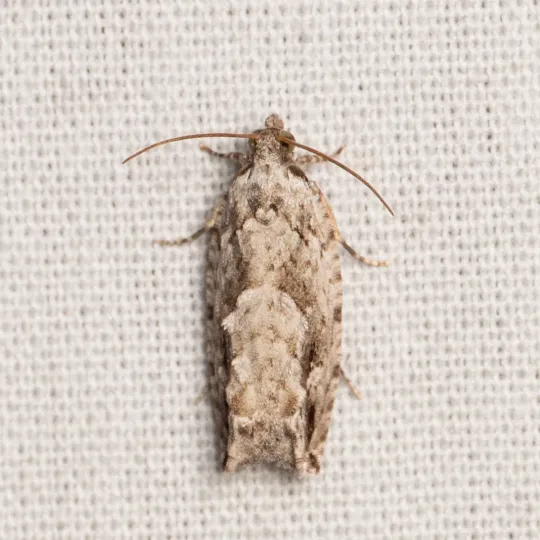
Leafrollers (Tortricidae) are a large family of moths whose larvae are notorious pests for various horticultural and forest plants. The adult moths are small, typically with a wingspan of 10-25 mm, and have a characteristic bell-shaped profile when at rest.
Their coloration is often cryptic, featuring shades of brown, gray, or tan that help them blend seamlessly into tree bark or foliage. This camouflage makes them difficult to spot during daylight hours.
The life cycle consists of four stages: egg, larva (caterpillar), pupa, and adult. The larvae are highly mobile and possess specialized silk-spinning glands, which they use to roll leaves into protective tubes or shelters.
Overwintering usually occurs as larvae in silk hibernacula (small cocoons) hidden under bark crevices or, less frequently, as eggs deposited on smooth twigs.
The biology of leafrollers is closely synchronized with the phenology of their host plants, ensuring that larvae hatch just as buds break, providing them with immediate access to tender foliage.
What it damages
Leafrollers are generalists that attack a vast range of plants. They primarily target pome and stone fruits such as apples, pears, cherries, and plums, where larvae consume buds, flowers, and young fruitlets.
In vineyards, leafrollers can severely impact production by feeding on both leaves and grape clusters, often creating entry points for fungal infections like Botrytis (gray mold).
Ornamental trees and shrubs, including roses and oaks, are also susceptible to infestations, which can lead to significant defoliation and reduced plant vigor.
When larvae attack fruits, they bore deep into the flesh, creating tunnels. This damage renders fruit unmarketable and susceptible to rot during storage.
Outbreaks of these pests can result in total destruction of new growth, leading to yield loss for the current season and potentially affecting the plant's health for the following year.
When it appears
The first generation of larvae emerges in early spring, coinciding with bud burst. They begin feeding immediately on the succulent tissues of opening buds and shoots.
A second peak of activity often occurs during the bloom and fruit-set stages, which is a critical period for protecting the crop from cosmetic and structural damage.
Depending on the region, leafrollers may have multiple generations per year. The moths are primarily nocturnal, flying at night to mate and lay eggs on the upper surface of leaves or on twigs.
Pupation occurs inside the silk-bound leaf rolls, providing the pupae with physical protection against predators and environmental stress.
As temperatures drop in late autumn, the final generation of larvae prepares to overwinter, often seeking shelter under bark or in organic debris around the base of the plant.
Signs of infestation
The most distinctive sign of an infestation is the presence of leaves rolled or folded into tight tubes or clumps, bound together by fine silk webbing.
- Webbing observed between leaves or fruit clusters.
- Buds that fail to develop properly or appear hollowed out.
- Small, ragged holes or irregular shallow grooves on the surface of developing fruit.
- Accumulation of frass (larval droppings) inside the rolled leaves or near the feeding sites on fruits.
When disturbed, the larvae often drop quickly from the leaf on a silk thread, which is a common behavioral trait used for identification during field inspections.
Control measures
Cultural control involves pruning and removing infested leaves and damaged fruit, as well as clearing debris where larvae might overwinter.
Pheromone traps are essential for monitoring adult moth populations, helping growers time the application of insecticides to coincide with the most vulnerable larval stages.
Biological control methods, such as the use of Bacillus thuringiensis or introducing beneficial parasitic wasps, can significantly reduce populations without harming pollinators.
Insecticide treatments should target the early larval stages before they create protective leaf rolls, as the rolls significantly reduce the efficacy of contact sprays.
Encouraging natural predators such as lady beetles, lacewings, and insectivorous birds can help maintain leafroller populations below the economic threshold in sustainable orchards.
Content graph
Connections · Leafrollers
Most often together:
Marketplace
Products · 2

Biology
Taxonomy
- Latin name
- Tortricidae
- Order
- Lepidoptera (butterflies)
- Family
- Tortricidae
- EPPO code
- 1TORTF
Community
Discussion
No discussions yet — be the first.