
Limnaecia inconcinna
Limnaecia inconcinna
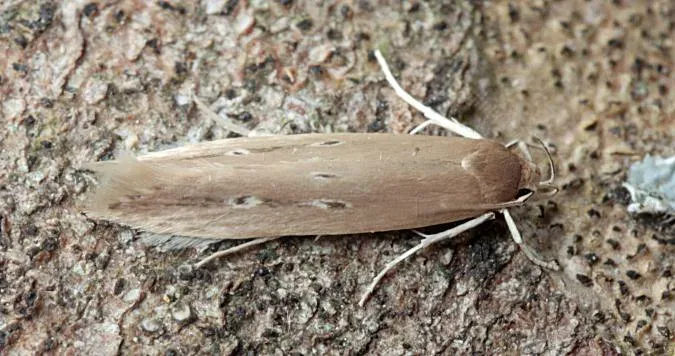
Description
How to identify
Limnaecia inconcinna belongs to the order Lepidoptera, family Cosmopterigidae. It is a small moth that leads a hidden lifestyle, which makes timely detection by agronomists during the early stages of infestation difficult.
Adults have a wing structure typical of this family, with wings held tightly against the body when at rest. The coloration of adults is usually modest and camouflage-like, allowing the insect to hide successfully in plant debris or among the foliage of host plants.
The life cycle of the pest includes the egg, larva (caterpillar), pupa, and adult stages. The larvae are primarily responsible for the damage, passing through several developmental instars while feeding on host plant tissues.
For accurate species identification, microscopic examination of the reproductive organs is often required; however, in field conditions, specialists rely on the specific nature of the damage left by the larvae of this species.
The development of the insect is closely linked to temperature and humidity, which determines the varying intensity of the pest's spread depending on the climatic zone and the current season.
What it damages
Limnaecia inconcinna mainly damages ornamental and certain vegetable crops, acting as a specialized pest. The larvae feed on the internal tissues of stems, leaves, or fruits, depending on the specific host plant preferences.
The damage caused by the larvae results in the disruption of normal vegetation processes. Feeding inside plant tissues leads to the weakening of the plant, slowed growth, and loss of the commercial quality of the produce.
Mass reproduction of the pest in an area can lead to the total loss of part of the harvest or the aesthetic value of floral plantings. Young plants in the active growth phase are particularly vulnerable.
In the process of their activity, the larvae also facilitate secondary infection of crops by pathogenic fungi and bacteria that penetrate through the holes they create. This significantly worsens the overall phytosanitary conditions in the field or garden.
Systemic tissue damage leads to metabolic disturbances and impaired nutrient transport, eventually causing wilting or premature death of the affected plant organs.
When it appears
The development cycle of Limnaecia inconcinna is heavily dependent on weather conditions. Adult moths usually emerge in the spring-summer period when stable positive temperatures are established.
After mating, females lay eggs directly on the host plant, choosing the most favorable locations for the future feeding of the offspring. The incubation period for the eggs is relatively short.
Larvae feed actively throughout the summer season. Depending on the region's climate, the species may have one or several generations per year, which determines the scale of the threat to cultivated plantings.
The overwintering stage usually takes place in protected areas: in plant debris, in bark cracks, or in the soil. With the onset of spring warmth, the pest resumes its activity.
The peak of damage often occurs in mid-summer when the population reaches its maximum density and the food source is in the stage of active sap flow.
Signs of infestation
The main sign of infestation is the typical tunnels that the larvae chew inside stems or leaves. Yellowed or deformed areas of tissue are often visually noticeable.
On the surface of the affected parts of the plant, larval excrement may accumulate in the form of fine, dark, powdery mass. This is a sure sign of the presence of a hidden pest inside vegetative organs.
In the case of ornamental crops, wilting of buds, premature dropping, or improper formation of inflorescences caused by damage to the peduncle are observed.
In the areas where larvae enter the plant, swellings or tissue deformations (galls) are often observed, resulting from the plant's reaction to the pest's presence.
When inspecting plantings, one should pay attention to the sudden wilting of individual shoots; cutting them open often reveals the caterpillar or traces of its active feeding.
Control measures
Control of Limnaecia inconcinna should be comprehensive. Primary importance is given to agrotechnical methods aimed at destroying the overwintering sites of the pest.
It is important to perform deep plowing or soil cultivation, as well as to promptly remove and destroy plant debris where larvae and pupae of the species may be hiding.
Upon detection of the first signs of infestation, manual collection and destruction of the affected plant organs are recommended. This is effective in the initial stages when the pest population density is low.
Chemical protection includes the use of systemic insecticides capable of penetrating into plant tissues where the larvae feed. Applications should be performed strictly in accordance with the regulations.
The biological method of control includes attracting natural enemies, such as entomophages, to the site, as well as the use of bacteria-based preparations that affect early-instar larvae.
Taxonomy
- Latin name
- Limnaecia inconcinna
- Order
- Lepidoptera (butterflies)
- Family
- Cosmopterigidae
- EPPO code
- LMNCIN
Discussion
No discussions yet — be the first.