
Grape gall midge
Lasioptera vitis
Description
How to identify
The Grape gall midge (Lasioptera vitis) is a small dipteran insect belonging to the Cecidomyiidae family. Adult midges are tiny, fragile-looking flies with long legs and antennae, resembling small gnats.
Adults typically measure between 1 to 2 millimeters in length and are brownish or yellowish, making them difficult to spot in a vineyard environment without magnification tools.
The larvae are bright yellow or orange, legless, and headless, specially adapted for living and feeding within the plant tissues of the host grapevine.
Pupation primarily occurs inside the galls, though some generations may pupate in the soil depending on the specific environmental conditions and geographic location.
The midge survives the winter as larvae, usually remaining in the soil or within protected plant debris at the base of the vines until spring arrives.
What it damages
The primary host for Lasioptera vitis is the cultivated grapevine (Vitis vinifera), though it can also infest various wild Vitis species.
The larvae specifically attack young green tissues, including shoots, leaf petioles, and tendrils, by inducing the formation of plant galls.
These galls serve as both a food source and a protective shelter for the developing larvae, enabling them to survive various external environmental stresses.
Severe infestations cause physical deformation of the shoots and interfere with the vascular flow of nutrients, leading to reduced vigor and yield loss.
In young vines, heavy damage can stunt growth significantly and prevent the plant from establishing a healthy, productive structure in its early years.
When it appears
Adult midges emerge in early spring, coinciding with the bud burst and the rapid growth phase of the grapevine's new shoots.
Females lay eggs in clusters on the succulent tissues of young shoots and petioles, ensuring that the emerging larvae have an immediate food supply.
The generation time is relatively short, typically ranging from a few weeks to over a month, allowing for multiple generations to occur during a single growing season.
Activity is highest during warm and humid periods, which favor the development of the larvae and the formation of the characteristic plant galls.
As the growing season concludes in late summer or early autumn, the final generation of larvae moves into the soil to enter a state of diapause for the winter.
Signs of infestation
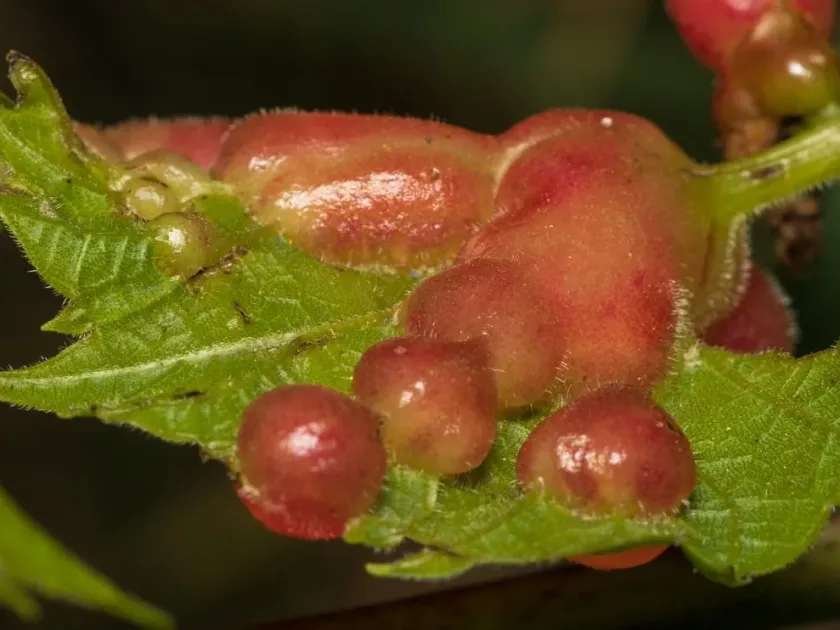
The most distinctive sign of infestation is the development of bulging, irregular growths known as galls on the green parts of the grapevine.
These galls are initially green and fleshy, but they often darken and harden as they mature, becoming brown and woody in appearance over time.
Surrounding foliage may exhibit signs of yellowing or stress due to the disruption of nutrient transport, and the affected shoots often twist or bend abnormally.
Dissecting a fresh gall reveals small chambers where the larvae reside, which provides definitive confirmation of the midge's presence in the vineyard.
If left unmanaged, the damaged tissues often become sites for secondary infections, such as fungal pathogens, which can cause further damage to the vine.
Control measures
The most effective cultural practice is the manual removal and immediate burning or disposal of all identified galls to prevent the next generation from emerging.
Deep cultivation of the soil around the vines during autumn and spring helps disrupt the overwintering cycle and reduces the number of emerging adults.
In cases of high infestation, applying systemic insecticides during the peak of adult flight and egg-laying can provide significant protection to the developing shoots.
Regular scouting of the vineyard is essential, particularly in spring, to identify the early onset of gall formation and intervene before the population expands.
- Removing all pruning debris from the field.
- Maintaining healthy vines with appropriate fertilization and irrigation.
- Monitoring surrounding wild grape populations for potential infestation.
Taxonomy
- Latin name
- Lasioptera vitis
- Order
- Diptera (flies)
- Family
- Cecidomyiidae
- EPPO code
- LASOVI
Discussion
No discussions yet — be the first.