
Tomato gall midge
Lasioptera tomaticola
Description
How to identify
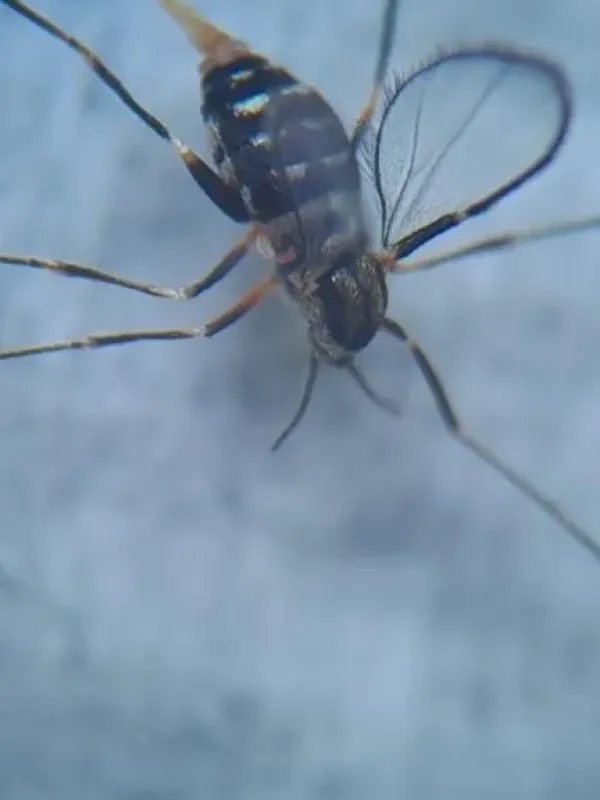
The tomato gall midge (Lasioptera tomaticola) is a small insect belonging to the family Cecidomyiidae in the order Diptera. Adults are tiny flies that resemble gnats, rarely exceeding 2 millimeters in length.
The adult midge is typically dark in color, often featuring light-colored bands on the abdomen. Their wings are transparent and delicate, making them difficult to spot without close inspection or trapping.
The larvae are the destructive stage of the pest. They are small, spindle-shaped, and usually white or light yellow, found living inside the plant tissues they infest.
This insect is known for its rapid life cycle, which can be accelerated in warm, humid greenhouse environments, allowing multiple generations to emerge throughout a single growing season.
Because they are small and elusive, identification is usually confirmed by the characteristic galls or swellings they induce on the stems and petioles of the host plants.
What it damages
The primary host of the tomato gall midge is the tomato plant. The pest can infest crops both in open fields and, more frequently, in protected cultivation environments like greenhouses.
Larval feeding causes the plant to develop abnormal growths known as galls. These structures provide both a food source for the larvae and a sheltered environment for their development.
As the galls develop on stems and leaf petioles, they disrupt the vascular system of the plant. This interferes with the transport of water and nutrients to the growing fruit and leaves.
Significant infestations can lead to stunted growth, wilting, and reduced fruit set. In severe cases, the structural integrity of the stems is compromised, leading to breakage and potential plant death.
The damaged tissue caused by the gall formation also creates entry points for various secondary pathogens, including fungi and bacteria, further complicating the health status of the crop.
Signs of infestation
The most reliable sign of an infestation is the presence of abnormal bumps or swellings on the tomato stems, leaf petioles, or sometimes near the flower buds.
Affected plants often show generalized signs of stress, such as yellowing of the leaves (chlorosis) or wilting, which persists despite proper watering and standard fertilization practices.
Cutting into a suspected gall usually reveals a hollow interior containing multiple small, pale-colored larvae. This internal inspection is the definitive way to confirm the presence of this specific pest.
Premature flower drop and a decrease in the number of healthy fruits are indicators that the plant is struggling due to the energy diverted to gall formation and tissue damage.
Monitoring for small, flying midges near the plants during the evening hours can provide early warning of an incoming infestation before visible damage becomes widespread.
Control measures
Integrated Pest Management (IPM) is essential for controlling the tomato gall midge. Sanitation is the first line of defense; removing and destroying infested plant material prevents the completion of the life cycle.
Yellow sticky traps are highly effective for monitoring adult populations. Placing these traps throughout the greenhouse helps capture adults and provides a quantitative measure of the pest density.
Chemical control involving systemic insecticides can be used to treat the plant, making the sap toxic to the larvae living within the stems. Always follow local regulations and pre-harvest intervals.
Biological control methods, such as the use of predatory mites or insect-parasitic fungi, can help suppress midge populations without the need for harsh chemicals in organic or low-input systems.
- Proper soil management and destruction of old crop residues.
- Maintaining optimal ventilation to reduce excessive humidity.
- Strict quarantine procedures for incoming seedling batches to prevent introduction.
Taxonomy
- Latin name
- Lasioptera tomaticola
- Order
- Diptera (flies)
- Family
- Cecidomyiidae
- EPPO code
- LASOTO
Discussion
No discussions yet — be the first.