
Janetiella
Janetiella
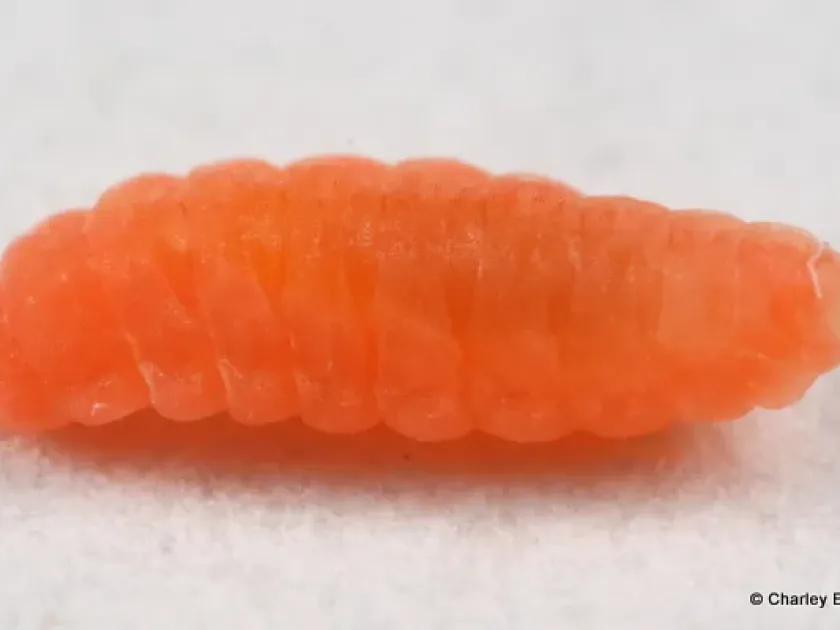
Description
How to identify
Janetiella is a genus of tiny insects belonging to the family Cecidomyiidae (gall midges) within the order Diptera. These insects are extremely small, often measuring only 2–3 mm in length, and resemble fragile, delicate mosquitoes.
The hallmark of this genus is its ability to induce the formation of galls—abnormal growths on plant tissue—which serve as a protected micro-environment for the developing larvae.
Larvae are typically orange or yellowish, feeding internally on the host plant's tissues, which is why they are rarely visible on the surface until they have already caused significant damage.
Because these midges are highly host-specific, identification often relies on the specific shape and location of the galls they create on host plants like juniper or other conifers.
For professional agronomic identification, microscopic analysis of the gall structure and the larvae found inside is the most reliable method.
What it damages
The primary hosts for Janetiella are various species of conifers, especially juniper (Juniperus). The insects target actively growing shoots and embryonic buds.
By stimulating abnormal cell division in the plant, the larvae create galls that act as a nutrient sink, effectively stealing resources from the rest of the branch.
This feeding activity causes severe stunting, twisting, and deformity of the shoots, which compromises the aesthetic value and structural health of the coniferous tree.
If left unmanaged, the cumulative stress from infestation can make the plants highly susceptible to secondary infections by fungi and other opportunistic pathogens.
The damage is particularly noticeable during the peak growing season, as infested branches fail to produce healthy foliage and may eventually die back.
When it appears
The seasonal activity of Janetiella is tightly synchronized with the phenology of the host plant. The emergence of adults typically coincides with the onset of bud break in early spring.
During the spring period, the female midges lay eggs on succulent young needles or buds. Larvae then emerge and immediately begin the process of gall formation.
The midges generally complete their life cycle within the growth season, with larvae often overwintering in the soil or protected within the plant structure.
Optimal conditions for development are warm, humid spring weather, which promotes rapid host plant growth and creates ideal circumstances for larval survival.
Agronomists should prioritize monitoring efforts during the early weeks of spring to catch the infestation before the larvae are fully protected by mature galls.
Signs of infestation
Signs of infestation include distinct morphological changes, such as localized swellings or hardened, abnormal protrusions on the foliage.
Affected tissues may lose their vibrant green color, turning yellowish, brown, or showing signs of necrosis as the gall develops and exhausts the plant's resources.
- Visible lumps or galls on juniper needles or buds.
- Curling or twisting of terminal shoots.
- Reduced annual shoot extension compared to healthy plants.
- Early needle drop or premature yellowing.
- Exit holes on the galls indicating the emergence of the next adult generation.
An infestation often results in a ragged appearance of the canopy, as the tree loses its symmetry due to the distorted growth patterns caused by the larvae.
Control measures
Controlling Janetiella is challenging because the larvae are sequestered inside galls, making them largely inaccessible to contact-based insecticides.
The most effective strategy involves targeting the insects during their vulnerable life stages, specifically the adult flight period and the initial larval hatching phase.
- Sanitation: Pruning and destroying infested branches as soon as galls are noticed to reduce the local population.
- Chemical control: Utilizing systemic insecticides at the first sign of bud burst to ensure the plant tissues contain enough active ingredient to kill larvae.
- Biological control: Encouraging natural predators, such as spiders and parasitic wasps, which can help manage midge populations.
- Monitoring: Using sticky traps to detect the arrival of adult midges and timing insecticide applications accurately.
- Cultural practices: Maintaining plant health through proper irrigation and soil management to increase the host's natural resistance.
Integrated Pest Management (IPM) is essential, combining cultural, biological, and chemical methods to effectively mitigate the impact of this gall midge.
Taxonomy
- Latin name
- Janetiella
- Order
- Diptera (flies)
- Family
- Cecidomyiidae
- EPPO code
- JANESP
Discussion
No discussions yet — be the first.