
Jaapiella
Jaapiella
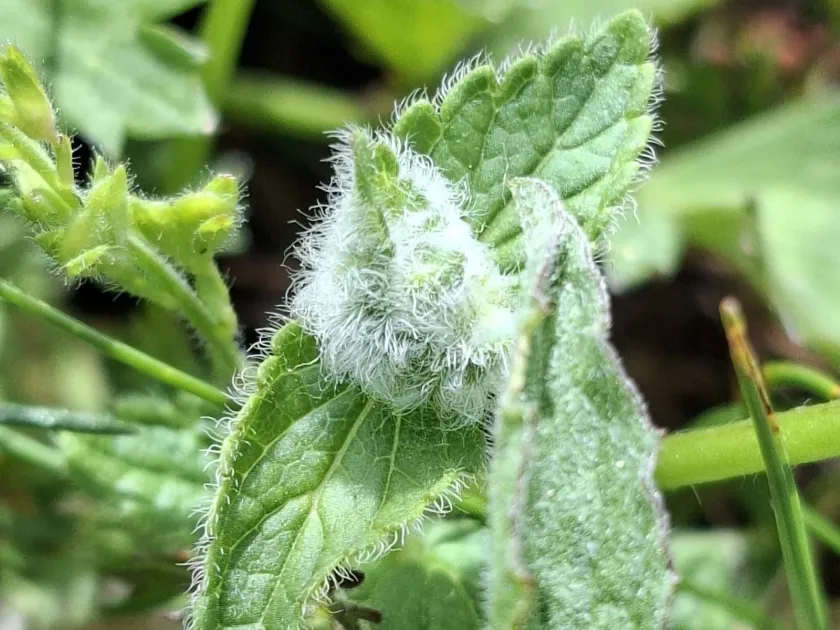
Description
How to identify
Jaapiella is a genus of minute flies belonging to the Cecidomyiidae family, commonly known as gall midges. These insects are notoriously difficult to spot in their adult form due to their tiny size and fragile appearance.
Identifying the pest usually involves observing the damage rather than the adult insect. The larvae are the primary cause of concern, as they develop within plant tissues, inducing the growth of galls.
The larvae are typically legless and vary in color, ranging from creamy white to vibrant orange. They live inside protected structures they induce on the host plant, remaining hidden from most predators.
This genus includes highly specialized species, with each typically targeting a specific genus or even a single species of plant. This specificity is a key factor in their survival strategy within natural habitats.
Their life cycle is perfectly synchronized with the phenology of their host plant, ensuring that larvae emerge precisely when the plant tissues are most tender and conducive to gall formation.
What it damages
Jaapiella species infest various plants, including specific ornamental flowers and some berry-producing shrubs. They are recognized for their ability to significantly alter the morphology of the host plant.
The feeding activity of the larvae triggers the plant to produce abnormal growths known as galls. These structures provide the larvae with a continuous supply of nutrition and a safe environment for development.
As the galls grow, they deform the leaves, stems, or buds of the plant. This structural damage disrupts the normal flow of nutrients and water, often causing stunted growth and a decline in overall plant vigor.
In addition to physiological stress, galls create entry points for secondary pathogens. Fungi and bacteria can easily invade these damaged areas, leading to further decay and potential tissue death.
The primary economic impact is the loss of aesthetic value in ornamental gardens and a decrease in fruit productivity in berry patches. Heavy infestations can ruin entire seasons of floral displays.
Signs of infestation
The most obvious sign of an infestation is the presence of unusual swellings or "cones" on leaves and growing tips. These structures are often referred to as galls and appear as unnatural deformations.
If you inspect these galls closely, especially by carefully splitting them open, you will likely find small, larvae inside. Their presence is a definitive indicator of an active Jaapiella infestation.
Growth arrest at the terminal bud is a common symptom. The plant ceases its elongation phase, and the terminal shoot appears dense, swollen, and malformed compared to healthy stems.
Discoloration at the gall site is another frequent symptom. While some galls remain green, others may turn yellow, brown, or red, indicating the plant's stress response to the larval feeding.
Monitoring should be focused on the peak growth periods in spring and early summer. Checking your plants during this window allows for early detection before the larvae finish their development.
Control measures
Mechanical removal is the most effective way to manage Jaapiella in small gardens. Hand-picking and destroying infested parts before the larvae mature is essential to break the life cycle.
Dispose of all infested plant material by burning or placing it in sealed bags for removal. Do not leave galls on the ground or in standard compost, as the larvae may successfully pupate in the soil.
Systemic insecticides are the preferred chemical control option when mechanical methods fail. Since the larvae are protected inside the galls, systemic agents that circulate in the plant sap are more effective.
Cultivating the soil around infested plants in late autumn can help destroy overwintering pupae. Disrupting their soil-based life cycle is a valuable preventive measure.
Promoting a healthy garden ecosystem by encouraging natural predators, such as parasitic wasps, can help keep Jaapiella populations at manageable levels without heavy chemical intervention.
Taxonomy
- Latin name
- Jaapiella
- Order
- Diptera (flies)
- Family
- Cecidomyiidae
- EPPO code
- JAALSP
Discussion
No discussions yet — be the first.