
Hyalella
Hyalella
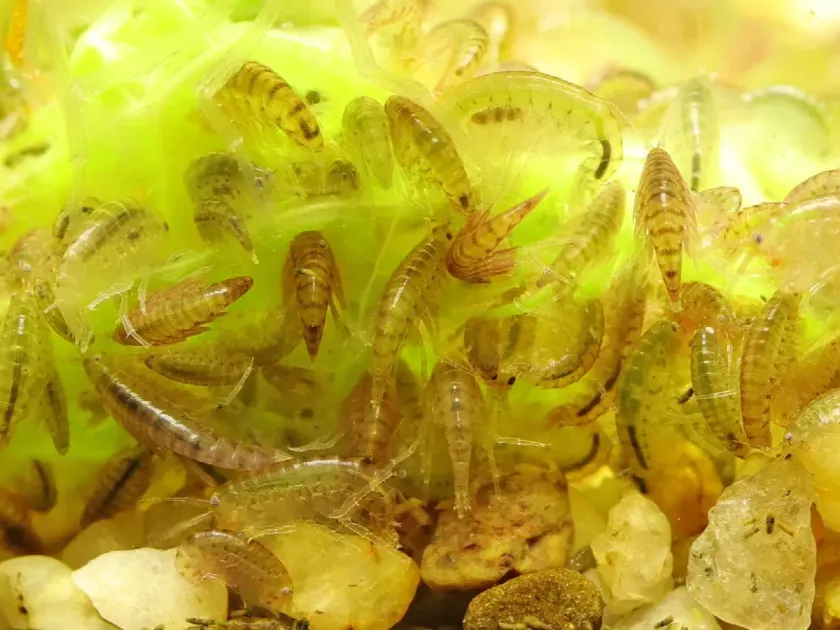
Description
How to identify
Hyalella (Hyalella azteca) is a small crustacean belonging to the order Amphipoda. These organisms are often mistaken for tiny shrimp, typically measuring between 3 and 8 mm in length.
Their bodies are laterally compressed and generally translucent, ranging in color from white to greenish-brown, which provides excellent camouflage within aquatic environments.
They possess long antennae and several pairs of swimming legs, allowing them to move rapidly through water, crawl along pipes, and colonize root zones in hydroponic setups.
Biologically, these crustaceans are highly resilient to fluctuations in water quality, pH, and temperature, making them difficult to eradicate once they establish a population.
The life cycle involves multiple molts. As they grow, their appetite increases, leading to potential damage to the crops they share an environment with, especially in high-density systems.
What it damages
Hyalella primarily damage plants by feeding on soft tissues, including root tips, root hairs, and organic debris that accumulates within hydroponic plumbing and grow beds.
By grazing on the root system, they cause mechanical injury that disrupts nutrient uptake, leaving the roots vulnerable to secondary infections from fungi and bacteria.
In seedling stages, their feeding activity can be devastating, leading to stunted growth, reduced vigor, and in severe cases, the complete collapse of the plant due to root loss.
In aquaponic systems, they compete with fish for food and can clog circulation pumps and filtration systems with their waste products and shed exoskeletons.
The cumulative damage often results in significant yield losses, as plants struggle to recover from persistent root zone disturbance and associated stress.
Signs of infestation
The primary sign of a Hyalella infestation is the presence of tiny, active, jumping organisms visible in the nutrient solution or on the surface of grow media.
Roots may appear ragged or frayed at the tips. This "grazed" look is a hallmark of crustacean feeding, distinct from the uniform rotting caused by typical pathogens.
A sudden increase in debris within filters or clogged irrigation emitters often indicates that a significant population of these crustaceans is present in the system.
Plants may exhibit signs of nutritional deficiency, such as chlorosis or wilting, despite the nutrient solution levels being perfectly within the target range.
Closer inspection with a hand lens often reveals the pests actively moving around the roots, particularly when the system is quiet or after adding fresh water.
Control measures
Effective control starts with rigorous hygiene. Regularly draining and scrubbing down all tanks, pipes, and reservoirs helps remove breeding sites and adult populations.
Installing high-quality fine mesh filters on all pump intakes can prevent the spread of these organisms throughout the entire hydroponic circulation loop.
Utilizing UV sterilizers within the water circuit is highly effective, as the UV light inhibits the growth and survival of the crustaceans in the larval and juvenile stages.
Managing the organic load in the system by removing decaying plant matter is crucial, as this limits the food supply and keeps the population under control.
When necessary, chemical-free deep cleaning of the equipment between growing cycles is essential to break the life cycle and ensure a pest-free start for new crops.
Taxonomy
- Latin name
- Hyalella
- Family
- Hyalellidae
- EPPO code
- HYLLSP
Discussion
No discussions yet — be the first.