
Horidiplosis
Horidiplosis
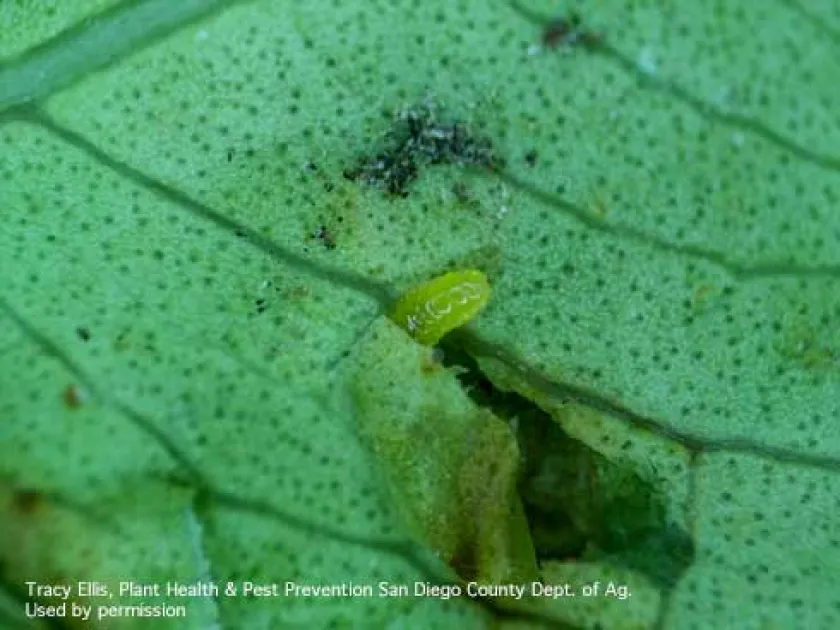
Description
How to identify
Horidiplosis ficiphaga is a small insect belonging to the Cecidomyiidae family, also known as the gall midge. The adult form is a tiny fly, rarely exceeding 2 millimeters in length, making them difficult to spot without visual aids.
The life cycle of this pest is highly specialized and relies on the presence of Ficus species, particularly Ficus benjamina. The female midge lays eggs on the undersides of young, developing leaves, initiating the formation of galls.
Once hatched, the larvae are protected inside these galls, which provide both food and a secure environment. The larvae typically exhibit a light yellow or orange hue and remain sheltered until they emerge as adults to restart the cycle.
Because they are protected by the plant tissue during their larval stage, controlling them requires a strategic approach using systemic products rather than simple contact sprays. Populations can grow rapidly under warm, humid conditions.
Detecting the adults is difficult due to their small size and rapid movement. Growers often rely on yellow sticky cards as a primary monitoring tool to catch flying adults before a massive infestation takes hold of the plant population.
What it damages
The primary host for Horidiplosis ficiphaga is the Ficus plant. The damage is restricted to young, growing foliage where the larvae feed, causing the plant to produce abnormal growths known as galls.
The formation of galls results in significant deformation of the leaves. As the larvae feed, the leaf tissue becomes gnarled, bumpy, and stunted, rendering the plant unsightly and reducing its overall aesthetic quality.
Severe infestations lead to stunted plant growth and premature leaf drop. While the plant may not die immediately, the cumulative stress from the loss of foliage and energy diversion to gall formation weakens the plant over time.
Damaged leaves often serve as entry points for opportunistic fungal and bacterial pathogens. These secondary infections can lead to tip dieback and further loss of vitality in the ficus.
In nursery settings, the spread of this pest is rapid. Because the adults can fly to nearby plants, a single infested specimen can lead to an outbreak across an entire greenhouse or collection within a matter of weeks.
Signs of infestation
The most visible sign of an infestation is the presence of small, wart-like bumps or nodules on the leaves. These galls can appear on either the upper or lower surface of the leaf blade and often change color as they mature.
Leaf curling and distorted growth patterns are also hallmark signs of Horidiplosis activity. If you notice a flush of new leaves that look shriveled or exhibit strange, localized swelling, it is a high-risk indicator.
Unlike spider mite damage, there is no webbing associated with gall midges. The damage is localized to the leaf tissue, and the presence of small, orange-colored larvae inside a cut-open gall is a definitive diagnostic sign.
Plants often exhibit a general loss of vigor and luster. The foliage may look discolored, showing pale or brownish spots corresponding to where the larvae are feeding inside the leaf structure.
Early leaf drop, especially of young leaves that appear to have bumps on them, is a critical warning. If the plant is shedding foliage prematurely, inspect the fallen leaves closely for the presence of these characteristic galls.
Control measures
The first step in controlling Horidiplosis is the physical removal and destruction of all infested plant parts. Pruning away galled leaves helps significantly lower the larval population and limits further spread.
Systemic insecticides are the most effective chemical intervention. Products containing imidacloprid or acetamiprid, when applied as a soil drench or foliage spray, are absorbed by the plant and target the larvae feeding within the galls.
Consistency is key; a single application is rarely sufficient due to the pest's reproductive cycle. Multiple applications spaced 7-10 days apart are necessary to ensure that emerging larvae are neutralized before they can mature.
Using yellow sticky traps in greenhouses helps capture the flying adult population, which prevents the laying of new eggs. This is an essential component of an integrated pest management (IPM) strategy.
Strict quarantine measures should be applied to all new plants entering a collection. Keeping new additions in isolation for at least 3-4 weeks allows enough time for the symptoms of a latent infestation to become visible.
Taxonomy
- Latin name
- Horidiplosis
- Order
- Diptera (flies)
- Family
- Cecidomyiidae
- EPPO code
- HRIDSP
Discussion
No discussions yet — be the first.