
Heterorhabditis megidis
Heterorhabditis megidis
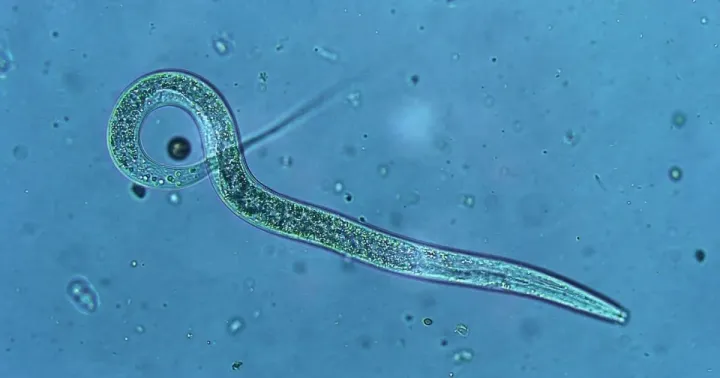
Description
How to identify
Heterorhabditis megidis is a species of entomopathogenic nematodes belonging to the family Heterorhabditidae. These microscopic organisms are specialized parasites that naturally inhabit the soil and target various insect pests.
The biological success of this nematode relies on a symbiotic relationship with bacteria of the genus Photorhabdus. These bacteria are carried within the nematode and are released into the host insect, producing toxins that cause rapid mortality.
The life cycle features an infective juvenile stage known as the dauer larva. This stage is highly mobile, actively seeking out potential hosts in the soil by sensing chemical cues emitted by the insect or damaged plant roots.
Upon locating a host, the nematodes penetrate the insect's body through natural openings, such as spiracles or the anus. Once inside, they release the symbiotic bacteria, which multiply and digest the insect tissues, turning them into a nutrient-rich soup for the nematodes.
The population reproduces within the cadaver until resources are exhausted, at which point new infective juveniles emerge into the soil to begin the search for a new host, continuing the cycle of natural biological regulation.
What it damages
It is important to clarify that Heterorhabditis megidis is not a plant pest. Instead, it is a beneficial biological control agent that protects crops and lawns from the devastating effects of soil-dwelling insect larvae.
The primary targets of these nematodes are larvae of scarab beetles, such as the garden chafer (Phyllopertha horticola). These larvae feed on the root systems of grasses and ornamental plants, causing significant wilting and patches of dead vegetation.
By parasitizing these larvae, the nematode effectively reduces the population of pests without the need for synthetic chemical insecticides. This is critical for maintaining healthy root structures and preventing the spread of secondary soil-borne plant diseases.
Because of its host-specific nature, Heterorhabditis megidis poses no risk to non-target organisms like earthworms or beneficial insects that live on the surface of the soil, making it an environmentally friendly option.
The use of this nematode is particularly advantageous in intensive management systems, such as golf courses, sports fields, and high-value horticultural crops, where chemical residue limits are strict.
When it appears
The activity and efficacy of Heterorhabditis megidis are highly dependent on soil temperature. They are most active when soil temperatures range from 12°C to 25°C, making late spring and summer the ideal windows for application.
Soil moisture is the most critical environmental factor for survival. Nematodes are sensitive to desiccation and require moist soil to move efficiently through the pore spaces in search of hosts.
The timing of application should coincide with the presence of susceptible larval stages in the upper soil profile. Early intervention prevents the larvae from reaching a size that causes significant structural damage to the root system.
UV radiation is lethal to nematodes. Applications should be performed during overcast conditions or in the early morning or evening hours to protect the organisms from sun exposure before they have a chance to migrate into the soil.
During the cooler months of the year, the nematodes enter a reduced metabolic state. They do not effectively kill hosts during winter, and therefore, applications are generally not recommended when soil temperatures fall below the minimum threshold.
Signs of infestation
Signs of successful biological control include the gradual decline in the presence of larvae in the root zone and the cessation of plant wilting. As the pest population drops, root health improves, and the vegetation begins to recover.
When examining host insects infested with the nematode, a distinct color change is often observed. The cadaver may turn red or brown, which is a direct consequence of the growth of the symbiotic bacteria inside the insect.
- Gradual reduction in the number of visible larval pests in the soil.
- Improved turf and plant vigor in previously affected areas.
- Absence of new patches of stunted or dying grass.
- Successful colonization confirmed by microscopic analysis of dead host larvae.
It is crucial to understand that biological control is a slower process than chemical intervention. Growers should expect to see results within one to two weeks after application as the nematode population establishes itself.
Control measures
Effective control starts with proper storage and handling of the nematode product. Products must be kept refrigerated at the temperature specified by the manufacturer to maintain the viability of the nematodes until the moment of application.
When preparing the application, ensure all spray nozzles and filters are removed, as their small apertures can block the nematodes. The suspension must be kept agitated during the application process to prevent settling.
Following the application, it is essential to irrigate the soil thoroughly. Water acts as a carrier, washing the nematodes off the foliage and deep into the soil profile where the target larvae reside.
Integrated Pest Management (IPM) practices should be followed by combining nematode application with good agronomic practices, such as proper aeration, balanced fertilization, and avoiding chemicals that might be toxic to nematodes.
Monitoring the pest population through soil sampling is recommended to evaluate the efficacy of the application. Depending on the level of infestation, follow-up treatments may be necessary to ensure long-term suppression of the pest population.
Taxonomy
- Latin name
- Heterorhabditis megidis
- Order
- Nematodes
- Family
- Heterorhabditidae
- EPPO code
- HETOME
Discussion
No discussions yet — be the first.