
Heterorhabditis downesi
Heterorhabditis downesi
Description
How to identify
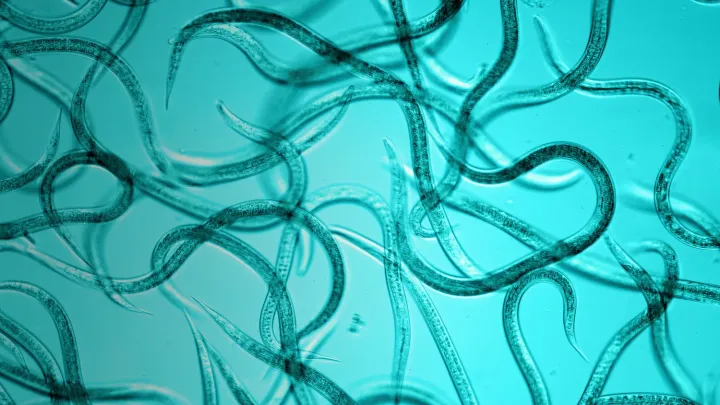
Heterorhabditis downesi is a species of entomopathogenic nematodes belonging to the family Heterorhabditidae. These microscopic organisms are recognized as powerful biological control agents in agriculture.
The biological system of this nematode relies on a symbiotic relationship with bacteria of the genus Photorhabdus. These bacteria are essential for the rapid killing of insect hosts infected by the nematodes.
Systematically, this species is part of the order Rhabditida. They inhabit the soil environment and possess specialized mechanisms for detecting and infiltrating insect bodies.
Infective juveniles of H. downesi are the stage responsible for finding hosts. They are highly active and capable of surviving in the soil for extended periods while waiting for a suitable victim.
A key characteristic of this species is its adaptation to cooler soil temperatures, making it a valuable tool for pest management in northern or high-altitude climatic regions.
What it damages
Heterorhabditis downesi does not damage plants; it is a predator of soil-borne insects. Its presence in the field is highly beneficial as it suppresses populations of root-feeding larvae.
The primary hosts for this species include various scarab beetle larvae that cause severe damage to crop root systems. By reducing the number of these pests, the nematode helps maintain plant health and vigor.
Infection occurs when the nematodes enter the insect host through natural openings. Once inside, they release the symbiotic bacteria, which cause septicemia, leading to the host's death within days.
The nematode then completes its life cycle within the decaying host carcass. Upon exhausting the food supply, a new generation of infective juveniles emerges into the soil to locate new hosts.
This biological mechanism acts as a natural pressure against pest outbreaks, providing a sustainable alternative to chemical soil insecticides in organic and conventional farming.
Control measures
To successfully apply Heterorhabditis downesi, soil moisture must be strictly maintained. Nematodes require a thin film of water to move through the soil pores and to prevent dehydration.
Application is typically performed via drenching or through irrigation systems. It is crucial to perform these applications during cloudy weather or at night to protect the nematodes from UV radiation.
The effectiveness of this biocontrol agent depends on favorable soil temperature ranges. The species is known for its cold tolerance, which expands the application window compared to other nematode species.
Care must be taken to avoid the concurrent use of chemical nematicides or strong pesticides that could harm the nematode population. Always check the compatibility of products used in an integrated pest management program.
- Monitor soil moisture levels consistently after application.
- Avoid applying during high-temperature daytime conditions.
- Ensure equipment is calibrated to provide an even distribution in the root zone.
Taxonomy
- Latin name
- Heterorhabditis downesi
- Order
- Nematodes
- Family
- Heterorhabditidae
- EPPO code
- HETODO
Discussion
No discussions yet — be the first.