
Heterorhabditis
Heterorhabditis
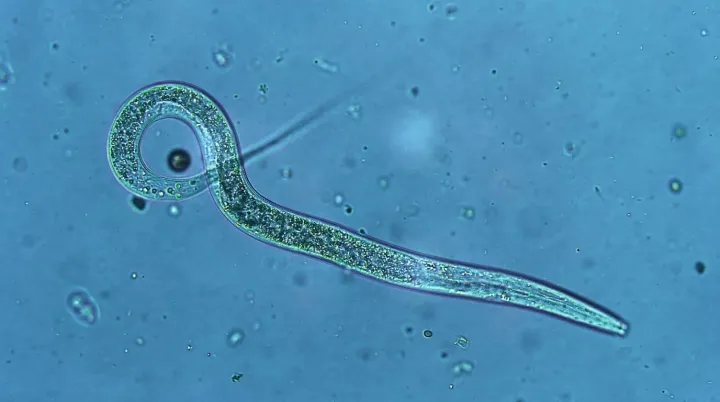
Description
How to identify
Heterorhabditis is a genus of entomopathogenic nematodes that are highly valued in modern agriculture as biological control agents rather than pests. They belong to the order Rhabditida and the family Heterorhabditidae.
These nematodes live in the soil and act as parasites to a wide range of insect larvae. Their ability to locate a host is facilitated by sophisticated chemical sensing mechanisms.
A distinctive feature of this genus is the symbiotic relationship with Photorhabdus bacteria. The nematodes harbor these bacteria in their gut and release them upon infecting an insect host.
The life cycle involves an infective juvenile stage, commonly called the "dauer" larva, which persists in the soil until a suitable host is encountered.
Their adaptive mechanisms allow them to thrive in various soil conditions, making them versatile tools for integrated pest management programs in both greenhouse and field environments.
What it damages
Heterorhabditis nematodes do not cause damage to plant tissues. On the contrary, they are considered beneficial organisms as they protect crops from subterranean pests.
They effectively target larvae of pests such as white grubs, vine weevils, and various root-feeding beetles that typically cause severe damage to agricultural production.
By infecting and killing these larvae, the nematodes prevent the destruction of root systems, thereby ensuring that plants receive adequate water and nutrient intake.
Using Heterorhabditis helps farmers move away from dependence on synthetic soil insecticides, promoting healthier soil ecosystems and safer food production.
They represent a sustainable solution for the biological control of insect populations, which helps maintain the balance of the ecosystem in horticultural and agricultural settings.
Control measures
To ensure the efficacy of Heterorhabditis applications, soil moisture must be maintained, as these nematodes require a thin film of water to move through the soil pores.
Soil temperature is another critical factor for success. Generally, these nematodes are most active and perform best when soil temperatures are between 15°C and 25°C.
Care must be taken when combining nematode applications with other pesticides. Some fungicides and insecticides can negatively impact nematode survival rates.
Application timing is crucial; using them during the early morning or evening helps prevent exposure to UV light, which is detrimental to nematode viability.
Proper soil preparation, including adequate organic matter, provides a more favorable environment for the nematodes to establish a long-term presence and control pest outbreaks.
Taxonomy
- Latin name
- Heterorhabditis
- Order
- Nematodes
- Family
- Heterorhabditidae
- EPPO code
- HETOSP
Discussion
No discussions yet — be the first.