
Hemicycliophora thienemanni
Hemicycliophora thienemanni
Description
How to identify
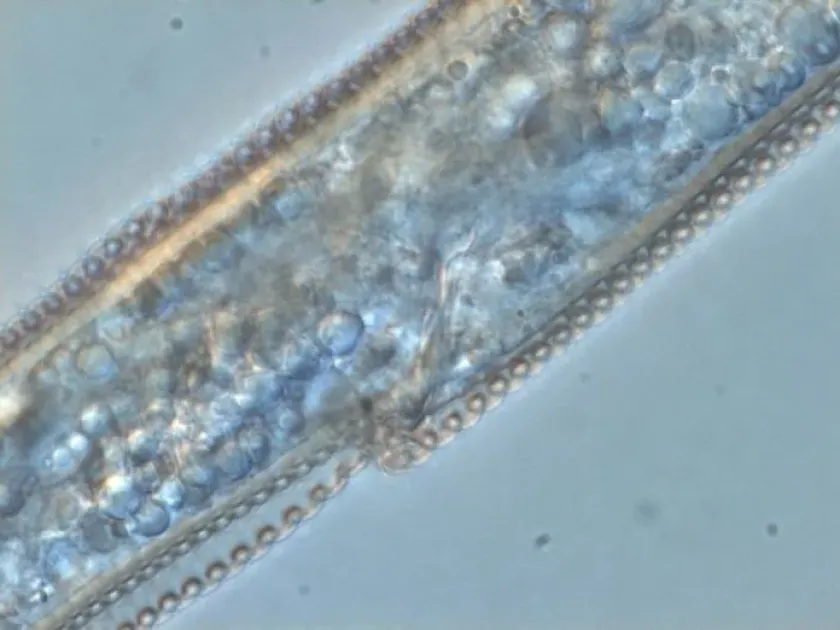
Hemicycliophora thienemanni is a species of ectoparasitic nematode within the family Hemicycliophoridae. These microscopic organisms are recognized by their distinct, double-layered cuticle, which serves as a taxonomic identifier.
These nematodes possess a robust, long stylet used to pierce plant root cells. Unlike endoparasitic nematodes, they live primarily in the soil around the roots, interacting with the plant only during feeding periods.
The life cycle encompasses an egg stage, four larval molts, and the adult stage. Development is heavily influenced by soil temperature, moisture levels, and the presence of root exudates which act as chemical attractants.
They are characterized by a relatively slow movement through soil pores. Despite their small size, they can reach significant population densities in the rhizosphere when host plants are continuously cultivated.
Accurate identification of this specific species requires advanced microscopic techniques, usually performed in nematology laboratories to distinguish them from other look-alike species in the same genus.
What it damages
The nematode primarily feeds on the roots of various agricultural and ornamental crops. By using their stylets, they extract nutrients from the cortical cells of root tips, causing significant cellular damage.
Feeding leads to the development of root galls or swellings, which disrupt the normal transport of water and nutrients throughout the plant. This directly impacts the plant’s overall metabolic processes.
Injured root tissues are more susceptible to opportunistic secondary pathogens, including fungi and bacteria, which can lead to root rot or total root system collapse in severe cases.
Affected plants often show systemic symptoms of stress, such as stunted growth, reduced leaf area, and decreased fruit production, which ultimately leads to significant economic losses for farmers.
Long-term infestation can permanently decrease soil productivity, as the nematode population builds up over consecutive cropping seasons if no intervention is practiced.
Signs of infestation
Infested areas in a field typically appear as irregular patches where crops exhibit poor vigor and delayed development compared to adjacent healthy areas.
During peak sunlight hours, plants may exhibit sudden wilting. This occurs because the compromised root systems can no longer keep up with the plant's transpiration requirements.
Foliar symptoms include chlorosis and general thinning of the canopy. In perennial crops, this can lead to dieback of branches and reduced yield quantity and quality over time.
Root system examination often reveals necrosis, lack of fine root hairs, and obvious distortions or lesions caused by the feeding activity of the nematodes.
As symptoms are often non-specific and mimic nutrient deficiencies or other root diseases, soil sampling and laboratory diagnostic testing are essential to confirm the presence of Hemicycliophora thienemanni.
Control measures
Crop rotation is the most effective cultural practice for managing this nematode. Rotating with non-host crops helps starve the nematode population and prevents significant buildup.
Sanitation is critical; ensuring that all machinery, tools, and planting materials are free from soil helps prevent the spread of the pest from infested fields to clean areas.
Utilizing certified, nematode-free planting stock is essential, as the introduction of infested soil or plant material is the primary mechanism for the spread of this pest.
When populations reach economic threshold levels, chemical nematicides can be utilized. These must be applied according to strict local regulations to minimize environmental impact.
Integrated Pest Management (IPM) strategies, including the use of cover crops with nematicidal properties (such as specific mustard varieties), are increasingly recommended to manage soil-borne nematode populations sustainably.
Taxonomy
- Latin name
- Hemicycliophora thienemanni
- Order
- Nematodes
- Family
- Criconematidae
- EPPO code
- HEMCTH
Discussion
No discussions yet — be the first.