
Alder sawfly
Hemichroa alni
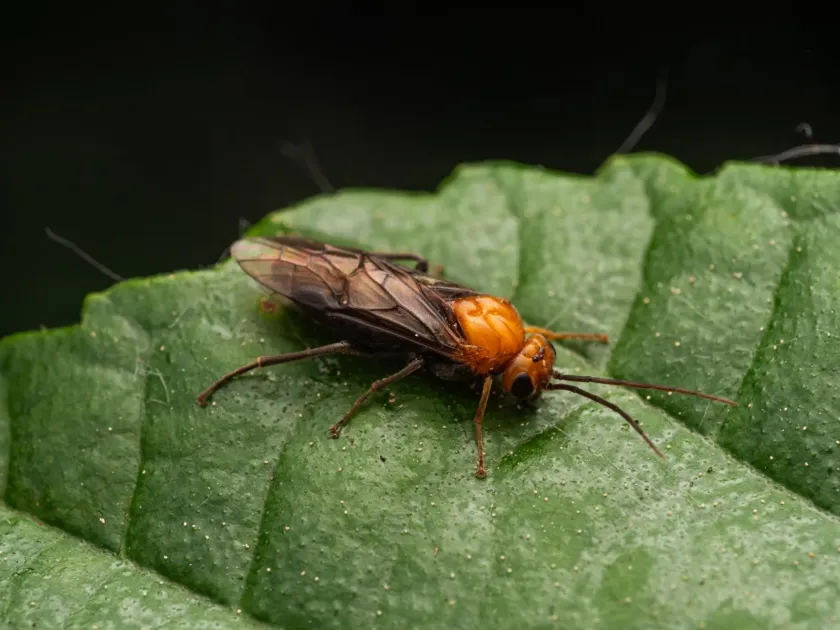
Description
How to identify
The alder sawfly belongs to the Tenthredinidae family within the Hymenoptera order. The adult is a small insect that often remains unnoticed until infestation levels become high.
The larvae are known as false caterpillars, visually resembling butterfly larvae but distinguished by their unique biological and behavioral patterns.
The life cycle undergoes a complete metamorphosis, including egg, larval, pupal, and adult stages, perfectly timed with the host plant's seasonal development.
Pupation typically occurs in the soil or within protective cocoons in leaf litter beneath the host tree, providing shelter against harsh winter conditions.
Adults emerge in early spring, synchronized with the budding of alder leaves, which ensures that the newly hatched larvae have an immediate food source.
What it damages
The primary host for this pest is the alder tree. While highly host-specific, the sawfly can cause significant ecological and aesthetic damage to wooded areas.
Damage is exclusively caused by larvae, which possess robust mandibles designed for rapid consumption of leaf tissue throughout their growth phase.
Defoliation reduces the photosynthetic capacity of the tree, which directly slows down annual ring formation and overall tree vigor and health.
Repeated yearly attacks can severely weaken the tree, making it susceptible to secondary pests such as bark beetles or various fungal pathogens.
In forest stands or large landscapes, severe infestation can result in significant crown thinning and stunted growth of the affected trees.
Signs of infestation
Early symptoms include characteristic margin feeding, where larvae chew the edges of leaves, leaving behind the midribs and thicker veins.
The presence of larvae clinging to the underside of leaves or congregating along leaf edges is a clear indicator of an ongoing infestation.
Dark fecal pellets found on the foliage or on the ground beneath the tree are consistent signs of active feeding by the larvae.
Significant foliage loss during the mid-summer period is a hallmark of sawfly activity, often leaving trees with a transparent or skeletal appearance.
Leaves may show holes or patches where the surface tissue has been consumed, often accompanied by leaf curling or premature browning.
Control measures
Integrated Pest Management (IPM) strategies are recommended, prioritizing biological control agents to maintain ecological balance in the area.
When chemical intervention is necessary, the use of selective insecticides that target larvae while sparing beneficial predators is the preferred approach.
Physical measures such as soil cultivation under the canopy can disrupt the pupation cycle and significantly reduce the emergence of the next generation.
Promoting local bird populations and encouraging predatory insects like parasitic wasps can provide effective natural suppression of the population.
- Regular inspection of leaf undersides during the spring and early summer.
- Removal of heavily infested debris to reduce the wintering population.
- Improving tree health through proper fertilization and watering to withstand damage.
Taxonomy
- Latin name
- Hemichroa alni
- Order
- Hymenoptera
- Family
- Tenthredinidae
- EPPO code
- HEMHAL
Discussion
No discussions yet — be the first.