
Gyropus ovalis
Gyropus ovalis
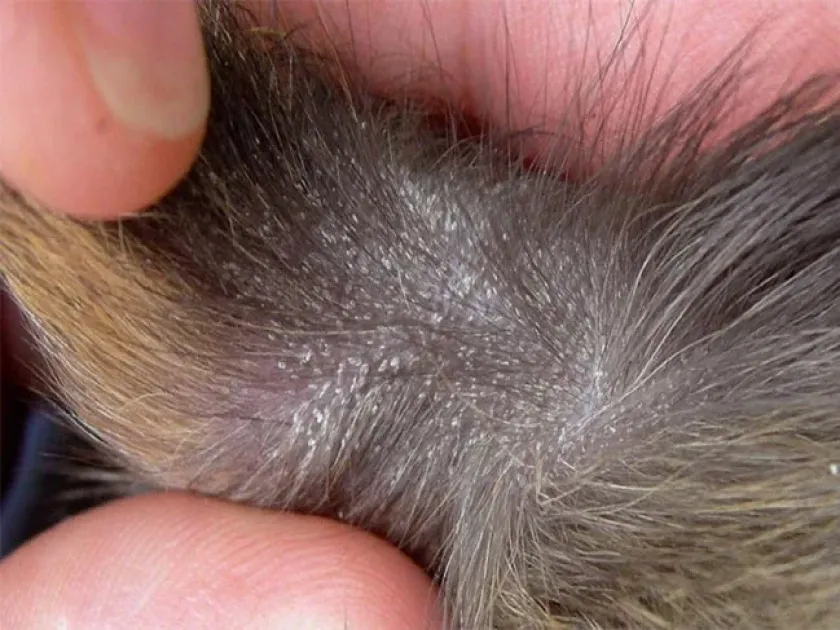
Description
How to identify
Gyropus ovalis is a species of chewing lice, scientifically classified as an ectoparasite that primarily targets guinea pigs. These insects are small, flattened, and oval-shaped, typically measuring between 1 and 1.5 millimeters in length.
They possess a wide head equipped with robust mandibles, designed for chewing on skin debris and secretions rather than piercing the skin for blood. This makes them distinct from sucking lice, although they are equally bothersome to the host.
The species belongs to the order Phthiraptera and the family Gyropidae. They are permanent parasites, meaning they complete their entire life cycle—from egg to adult—on the body of the host animal, rarely surviving long if detached.
These lice are highly agile, capable of moving rapidly through the fur to avoid light. Females attach their eggs, commonly known as nits, firmly to the hair shafts near the skin, making them resistant to simple grooming or brushing.
Gyropus ovalis prefers areas with dense fur and higher skin humidity. When left untreated, these populations can quickly flourish, especially in confined living conditions where multiple rodents share space.
What it damages
The primary hosts of Gyropus ovalis are guinea pigs (Cavia porcellus). The presence of these lice causes significant discomfort, leading to persistent itching and irritability in the affected animals.
Constant scratching results in visible skin damage, including redness, scabs, and open wounds. These damaged areas are highly susceptible to secondary bacterial infections, which can worsen the overall condition of the host.
Severe infestations often cause noticeable hair loss, known as alopecia. The fur may appear matted, dull, and unkempt, with small white nits often visible at the base of the hair upon close inspection.
Physiological stress caused by constant irritation can lead to a decline in the host's general well-being, characterized by lethargy, decreased appetite, and potential weight loss, especially in young or immunocompromised rodents.
If not addressed promptly, the infestation can progress to a state where the animal suffers from chronic dermatitis, causing immense pain and reducing the quality of life for the pet.
When it appears
Gyropus ovalis remains active throughout the year because the controlled environment of indoor pet enclosures provides stable temperatures and humidity levels perfectly suited for their continuous reproduction.
Infestation rates often peak during the autumn and winter months, as animals are kept in closer proximity indoors, which facilitates the rapid transfer of parasites from one individual to another.
The life cycle from egg to mature adult is approximately 2 to 3 weeks. Due to this rapid reproductive rate, a small number of lice can escalate into a massive infestation within a few weeks if conditions are ideal.
Transmission occurs primarily through direct contact between animals or indirectly via contaminated bedding, shared wooden houses, or grooming tools. Humans can also accidentally transfer lice on their hands after handling infected pets.
Optimal development occurs at temperatures between 20°C and 25°C, consistent with the standard thermal comfort zone maintained for indoor guinea pigs.
Control measures
Effective control involves the use of veterinarian-approved insecticides specifically formulated for small rodents. Common options include topical spot-on treatments, medicated sprays, or powders based on fipronil or pyrethrins.
Deep cleaning of the enclosure is mandatory. All bedding must be discarded, and cages, accessories, and wooden shelters should be thoroughly sanitized with a safe disinfectant to kill any lice or nits lurking in the environment.
All animals living in the same group must be treated simultaneously to prevent re-infestation, regardless of whether they exhibit symptoms, as they may be asymptomatic carriers.
A second treatment cycle, usually 10 to 14 days after the first, is essential to eradicate the next generation of lice that may have hatched from eggs present during the initial treatment.
- Use only rodent-safe insecticides prescribed by a vet.
- Thoroughly sanitize the cage and discard used bedding.
- Quarantine new animals before introducing them to the group.
- Perform regular skin and fur checks during daily grooming.
Taxonomy
- Latin name
- Gyropus ovalis
- Family
- Gyropidae
- EPPO code
- GYROOV
Discussion
No discussions yet — be the first.