
Gyropus
Gyropus
Description
How to identify
Gyropus is a genus of lice belonging to the family Gyropidae within the order Phthiraptera. These insects are permanent ectoparasites that have evolved to live exclusively on the bodies of their mammalian hosts.
The morphology of Gyropus is characterized by a dorsoventrally flattened body, which allows the insect to move easily through the dense hair of the host without being dislodged.
They possess a specialized chewing mouthpart adapted for feeding on dead skin cells, sebaceous secretions, and occasionally small amounts of serous fluid from minor skin abrasions.
Adult insects are small, typically ranging from 1 to 2 millimeters in length. Their coloration is generally pale yellow or light brown, providing effective camouflage against the host's skin.
As obligate parasites, their entire life cycle—from egg to adult—is completed while attached to the host, making them highly dependent on the host's microclimate.
What it damages
Gyropus primarily infests rodents, such as guinea pigs, leading to dermatological issues and systemic discomfort for the animal if left untreated.
The feeding activity of these lice causes constant skin irritation, triggering intense pruritus (itching) that compels the animal to scratch excessively.
Frequent scratching leads to physical trauma, including sores, scabs, and localized alopecia, which further exposes the animal to the risk of secondary bacterial infections.
In cases of severe infestation, animals may show signs of chronic stress, leading to weight loss and a decline in their overall physical condition and health.
The parasite spreads rapidly among groups of animals kept in close proximity, making collective treatment essential in professional breeding or laboratory environments.
When it appears
There is no defined season for Gyropus infestation, as the environment provided by the host's body maintains stable temperature and humidity levels year-round.
In indoor settings, such as farms or animal facilities, the life cycle of the louse continues uninterrupted, allowing for continuous reproduction cycles throughout the year.
Populations tend to flourish when animals are housed in crowded conditions, as the proximity facilitates the horizontal transmission of the parasites between individuals.
The survival of the parasite away from the host is very limited, meaning the population density is heavily influenced by the availability of new hosts in the immediate environment.
Regular monitoring is required throughout the entire year, as the absence of seasonal decline means that infestations can establish and grow at any time.
Signs of infestation
The most prominent sign of an infestation is persistent restlessness in the animal, often characterized by frequent scratching, biting at the fur, and erratic movements.
Visual inspection often reveals the presence of small, fast-moving insects near the base of the hair shafts, especially in areas where the skin is thinner or more accessible.
Skin lesions are common indicators, including areas of inflammation, crusting, and patches of hair loss caused by the animal's constant grooming attempts.
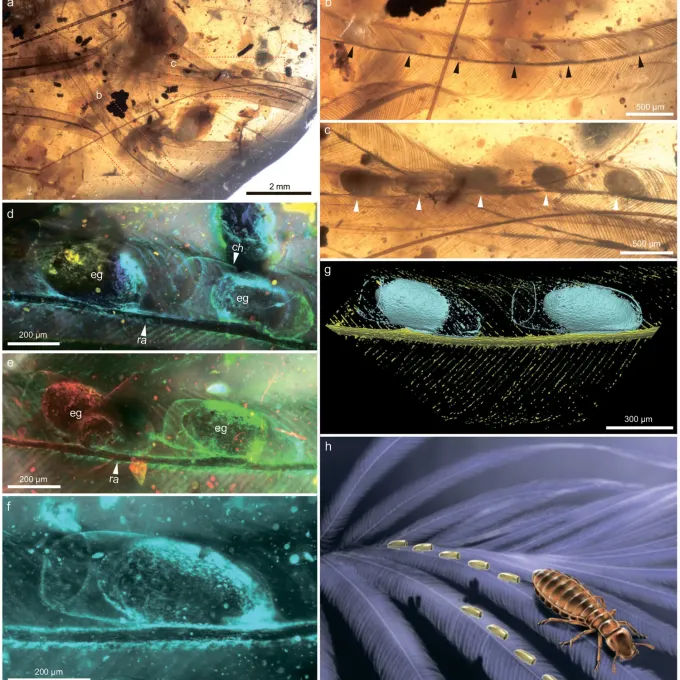
The presence of nits (eggs), which are tiny, whitish objects firmly cemented to individual hairs, is a clear diagnostic feature of an active Gyropus infestation.
The coat may lose its natural luster, appearing dull, brittle, or unkempt, serving as a secondary indicator that the animal is suffering from a parasitic burden.
Control measures
Effective control of Gyropus relies on the application of suitable ectoparasiticides, which must be administered according to veterinary guidelines for the specific species affected.
- Topical application of spot-on treatments designed to eliminate chewing lice.
- Use of insecticidal sprays or shampoos to reduce the immediate parasitic load.
- Rigorous cleaning and disinfection of housing, cages, and bedding materials.
- Isolation and treatment of all infested individuals to halt the spread of the parasite.
- Quarantine procedures for new animals before introduction into a clean population.
Follow-up treatments are often mandatory to break the life cycle, ensuring that any nymphs hatching from eggs after the initial treatment are also eliminated.
Maintaining a high standard of animal hygiene and conducting routine health screenings are the best proactive measures to prevent the establishment of an infestation.
Taxonomy
- Latin name
- Gyropus
- Family
- Gyropidae
- EPPO code
- GYROSP
Discussion
No discussions yet — be the first.