

Reference · Pests
Phlaeothripidae
Phlaeothripidae is a large and diverse family of insects within the order Thysanoptera. These insects are distinguished by the tubular structure of the final abdominal segment, which sets them apart from other thrips families. While many members of this group are mycophagous, feeding on fungal spores, several species act as significant phytophagous pests that impact agriculture, horticulture, and forestry worldwide.
70
items
What the section contains
Plicothrips
Plicothrips
Plicothrips apicalis
Plicothrips apicalis
Ponticulothrips mudloi
Ponticulothrips mudloi
 Pseudophilothrips
Rye thrips
Haplothrips aculeatus
Schefflera thrips
Liothrips heptapleuri
 Wheat thrips
Haplothrips anceps
Xylaplothrips
Xylaplothrips pictipes
Xylaplothrips
Xylaplothrips
Xylaplothrips subterraneus
Xylaplothrips subterraneus
Pseudophilothrips
Pseudophilothrips
Rye thrips
Haplothrips aculeatus
Schefflera thrips
Liothrips heptapleuri
Wheat thrips
Haplothrips anceps
Xylaplothrips
Xylaplothrips pictipes
Xylaplothrips
Xylaplothrips
Xylaplothrips subterraneus
Xylaplothrips subterraneus
Marketplace
Products in this section · 12


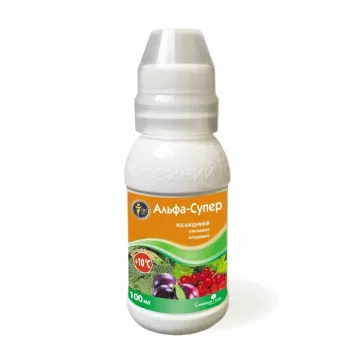


Phlaeothripidae
These pests target a variety of agricultural crops, including cereals, vegetables, and fruit-bearing trees. By piercing plant tissues and extracting cell sap, they cause physiological stress to the host plants. In cereal crops, they often congregate in the ears, leading to shriveled grains and reduced yields. Their presence is often correlated with specific microclimatic conditions, such as high humidity or specific plant growth stages.
The life cycle of Phlaeothripidae typically involves egg, larval, prepupal, pupal, and adult stages. Unlike some other thrips, many species within this family pupate in protected sites such as soil, leaf litter, or beneath the bark of trees. This behavior makes them highly resilient to environmental stressors and creates challenges for conventional contact-based pest control methods.
The damage caused by these insects is characterized by chlorotic spots, streaks, and tissue distortion. Because they feed by cell content extraction, they leave behind necrotic areas that serve as entry points for plant pathogens. Furthermore, some species are vectors for viruses, which can lead to systemic infections, stunted growth, and total crop failure if the infestation remains unmanaged.
To mitigate the impact of Phlaeothripidae, an integrated pest management (IPM) approach is recommended:
- implementing crop rotation to disrupt pest life cycles;
- removing crop residues and weeds that serve as overwintering sites;
- utilizing sticky traps for early detection and population monitoring;
- applying selective insecticides when population densities exceed economic thresholds;
- encouraging natural predators like predatory mites, lacewings, and pirate bugs.