
Scorched Wing moth
Grampus
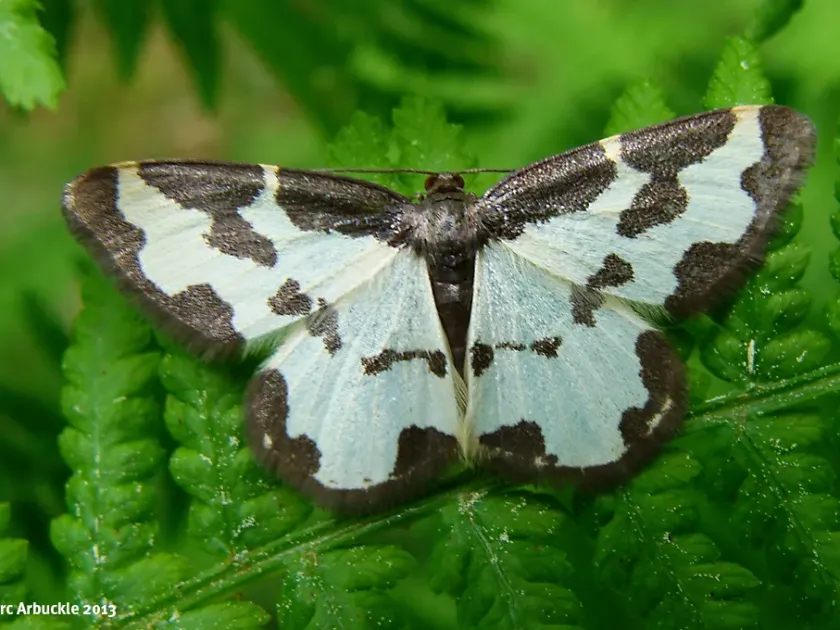
Description
How to identify
The Scorched Wing moth (Angerona prunaria) belongs to the Geometridae family. It is a nocturnal species known for its remarkable sexual dimorphism, where males and females differ significantly in wing color and pattern.
The wingspan typically reaches 45–50 mm. The adult moths display shades ranging from bright yellow to deep orange, often adorned with dark brown speckles or fine transverse lines resembling scorched patterns.
The larvae are classic "loopers" or inchworms. They move by arching their bodies, which is the signature locomotion style for the members of this family.
Mature caterpillars grow up to 50 mm in length. Their bodies are textured with small tubercles and colored in earthy tones, providing perfect camouflage against twigs.
The pupae are dark brown, smooth, and typically encapsulated in a loose cocoon situated within leaf litter or the top layer of soil beneath the host plant.
What it damages
The Scorched Wing moth is a polyphagous pest, meaning it feeds on a wide range of botanical hosts, including various fruit trees and ornamental shrubs.
Agricultural damage is most frequently reported on fruit crops such as plums, cherries, apples, as well as berry bushes like currants and gooseberries.
Beyond cultivated plants, the caterpillars readily feed on deciduous trees like willows, birches, and oaks, often causing significant foliage loss in woodland areas.
The pest's ability to utilize weeds as alternative food sources allows it to maintain a stable population, complicating management in diverse agricultural environments.
Repeated defoliation throughout the growing season weakens the host plant, resulting in reduced fruit yield and increased susceptibility to secondary diseases and pests.
When it appears
This species typically produces one generation per year. The adult moths are active during the warm summer months, primarily throughout June and July.
Mating occurs shortly after emergence, and females lay eggs on the leaves or bark of host plants, ensuring immediate food access for the hatching larvae.
Caterpillars emerge in late summer and begin feeding immediately to store energy for the upcoming diapause during the winter months.
Overwintering occurs in the larval stage. They seek refuge in sheltered areas on the tree or within the debris layer, remaining dormant until spring temperatures rise.
The most active feeding phase for overwintered larvae occurs in late spring, as they consume developing buds and newly flushed leaves before proceeding to pupation.
Signs of infestation
The primary symptom of an infestation is irregular holes or jagged edges on the leaf blades caused by the caterpillars feeding from the margins inward.
In cases of severe infestation, skeletonization of leaves can occur, where only the primary vascular veins remain, significantly hampering the plant's ability to photosynthesize.
The presence of larval frass (droppings) on the leaves or the ground beneath the tree canopy is a clear indicator of active feeding during the nocturnal hours.
During the day, the caterpillars remain stationary and perfectly mimetic, often hiding along the stems or beneath leaves, which makes them easy to overlook.
- Bud destruction in early spring.
- Ragged or skeletonized foliage.
- Webbing found between leaves or on terminal shoots.
Control measures
Cultural control is essential and involves the removal and destruction of leaf litter and the cultivation of soil under the canopy to disrupt overwintering pupae.
Manual collection of larvae is a highly effective method for small-scale gardens; it is best performed in the early morning when the pests are less active.
Biological control using Bacillus thuringiensis (Bt) is highly recommended as it specifically targets lepidopteran larvae while sparing beneficial predatory insects.
In commercial orchards, the application of chemical insecticides should be limited to instances where economic injury levels are exceeded and applied at the correct larval stage.
Maintaining a clean garden by removing alternative weed hosts helps limit the population size and prevents the moth from establishing a strong foothold on the property.
Taxonomy
- Latin name
- Grampus
- Family
- Delphinidae
- EPPO code
- GRMPSP
Discussion
No discussions yet — be the first.