
Goera pilosa
Goera pilosa
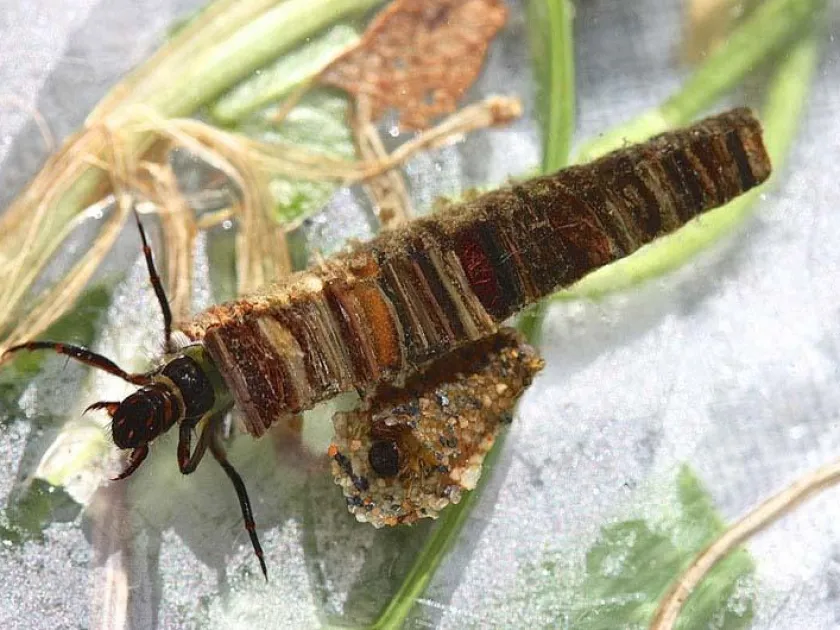
Description
How to identify
Goera pilosa is a species of caddisfly (Trichoptera) belonging to the family Goeridae. The adult insects resemble small nocturnal moths, characterized by brownish wings covered in fine, dense hairs.
The larval stage is the most significant in terms of agricultural impact. These larvae are aquatic and construct protective cases using sand grains or plant debris, which are held together with silk secretions.
The larval head is heavily sclerotized and dark in color, providing protection while navigating the substrate. In the final instar, the larvae typically grow to about 10–12 millimeters in length.
Their life cycle consists of complete metamorphosis: egg, larva, pupa, and adult (imago). The adult stage is short-lived and primarily focuses on reproduction rather than feeding.
This species is widely distributed across Europe and Northern Asia, favoring clear, oxygen-rich flowing or standing water bodies.
What it damages
The primary agricultural damage occurs in artificial water systems, such as hydroponics or aquatic plant cultivation, where larvae can transition from feeding on detritus to consuming plant tissues.
The larvae feed on the roots and the base of plant stems, especially when natural food sources within the water system become scarce.
Damaged root systems lead to reduced nutrient uptake, stunted growth, and in severe cases, the death of young seedlings due to the destruction of the water-conducting tissues.
The feeding activity creates wounds that serve as entry points for secondary fungal and bacterial infections, further compromising the health of the cultivated crops.
- Consumption of root epidermal layers.
- Disruption of plant growth cycles.
- Increased risk of rot and disease transmission.
When it appears
The larval activity is most intense during the spring and summer months, as rising water temperatures accelerate their metabolism and developmental rate.
Adult emergence generally occurs in late spring, which marks the breeding season when eggs are deposited on water surfaces or submerged structures.
In climate-controlled agricultural facilities, the life cycle may be extended or accelerated, potentially leading to persistent pest pressure throughout the year.
Overwintering typically occurs in the larval stage, with the insects remaining dormant in bottom sediments until environmental conditions improve in the following spring.
The peak threat to crops occurs during the initial stages of seedling establishment, which coincides with the high nutrient requirements of growing larvae.
Signs of infestation
The most distinctive sign of infestation is the presence of small, cylindrical cases made of sand or plant debris attached to the roots or stems of the plants.
Visible symptoms include unexplained wilting and yellowing of the foliage, accompanied by stunted growth despite adequate nutrient supply in the water.
Examination of the root zone often reveals shredded or missing root hairs and clear bite marks on the stems near the substrate level.
Clogging of irrigation filters or pumps with sand and organic detritus is a strong indicator of a high population density of these aquatic larvae within the system.
The appearance of dark necrotic lesions at the base of stems indicates active feeding and subsequent decay caused by larval damage.
Control measures
Regular mechanical cleaning of water reservoirs, filters, and piping systems is essential to remove larval habitats and detritus accumulation.
Biological control agents, such as specific entomopathogenic organisms safe for aquatic environments, can be utilized to manage population outbreaks.
Adjusting the chemistry of the water, particularly pH levels and dissolved mineral content, can create an unfavorable environment for larval survival and case-building.
Installing fine-mesh screens on all water intake systems prevents the entry of adults for egg-laying and the contamination of the system with new larvae.
Maintaining high sanitary standards in and around the water tanks, including the removal of algae and sediment buildup, helps to mitigate the risk of colonization.
Taxonomy
- Latin name
- Goera pilosa
- Family
- Goeridae
- EPPO code
- GOERPI
Discussion
No discussions yet — be the first.