
Witch flounder
Glyptocephalus cynoglossus
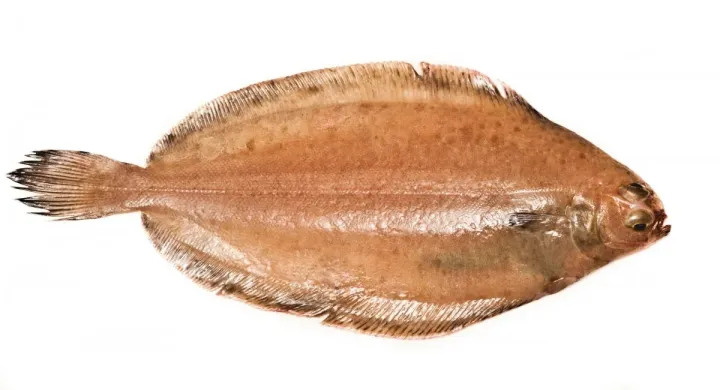
Description
How to identify
The witch flounder (scientific name Glyptocephalus cynoglossus) is a marine fish species belonging to the family Pleuronectidae within the order Pleuronectiformes.
It is characterized by its slender body shape and small mouth, typically inhabiting deep, cold waters of the North Atlantic Ocean.
As a flatfish, it undergoes a unique metamorphosis during its life cycle where one eye migrates to the other side of its head.
The species is primarily identified by its gray to brown coloration and its preference for soft, muddy or sandy seabeds.
From a biological standpoint, it is a vertebrate predator that plays a role in the marine food web, far removed from any agricultural ecosystems.
What it damages
The witch flounder has no impact on agricultural crops as it is exclusively an aquatic organism incapable of surviving on land.
Its dietary habits are restricted to benthic invertebrates such as small crustaceans, mollusks, and worms found on the ocean floor.
There is no mechanism by which this fish could damage roots, stems, or foliage of cultivated plants, making the label "pest" entirely inaccurate.
Agricultural damage requires interactions between terrestrial phytophagous pests and crops, which does not apply to this marine species.
Any reports linking this fish to plant destruction should be considered erroneous or the result of a taxonomic misclassification.
Control measures
Since the witch flounder is not an agricultural pest, there are no control measures, chemical treatments, or pest management programs required.
Farmers and agronomists do not need to concern themselves with this species, as it poses zero threat to harvest yields or plant health.
If you see this name listed in pest databases, it is likely an error or a misinterpretation of biological nomenclature.
Focus your plant protection efforts on documented terrestrial pests such as aphids, mites, or soil-borne pathogens as identified by local authorities.
Always rely on verified scientific resources and official agricultural extension services for accurate information regarding crop health and pest management.
Taxonomy
- Latin name
- Glyptocephalus cynoglossus
- Family
- Pleuronectidae
- EPPO code
- GLPCCY
Discussion
No discussions yet — be the first.