
Pill millipede
Glomeris
Description
How to identify
The pill millipede (Glomeris) belongs to the class Diplopoda, family Glomeridae. These arthropods are famous for their ability to roll into a tight ball when threatened, which is a key defensive adaptation.
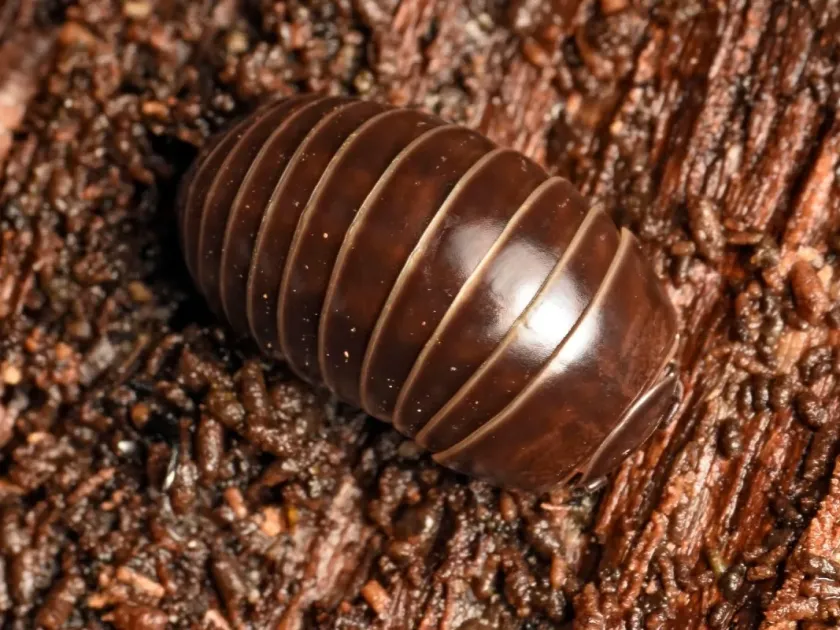
Adult specimens have a short body consisting of 11 to 12 segments, a domed shape, and a shiny chitinous exoskeleton. Their coloration usually ranges from dark brown to black, often with distinctive light spots on the sides.
These creatures prefer damp, shaded environments rich in organic matter. They are primarily nocturnal, strictly avoiding dry areas and direct sunlight to prevent dehydration of their sensitive cuticles.
Although they typically act as saprophages, they may turn to live plant tissues if preferred food sources are scarce. This transition is what makes them a potential threat to young seedlings and greenhouse crops.
Identification is based on the number of segments and their unique curling behavior, which distinguishes them from other soil-dwelling millipedes that cannot form a perfect sphere.
What it damages
Damage caused by Glomeris is most prevalent in environments with high soil moisture and a lack of organic debris. In such cases, they begin to feed on the tender roots and stems of living plants.
Young vegetable seedlings and sprouts of cereal crops are particularly vulnerable. The millipedes chew on root tips, which leads to wilting and the ultimate death of the fragile plant.
Root vegetables buried in the soil can also suffer. Glomeris creates small cavities in the skin of crops, which serve as entry points for secondary fungal and bacterial rot infections.
In greenhouse operations where constant humidity is maintained, pill millipedes can reach high population densities and significantly damage young cucumber, tomato, or lettuce plants.
Because the damage often occurs below the soil surface and is complicated by subsequent decay, growers may mistake the pest activity for soil-borne pathogens.
Signs of infestation
Sudden wilting of seedlings despite adequate watering is a primary indicator. Inspecting the root system often reveals gnawed root tips or superficial damage at the base of the stem.
Finding specimens under mulch, rocks, or wooden debris is definitive proof of their presence. They are almost always found hiding in damp, dark locations during the daytime.
Characteristic feeding marks on stems in contact with the moist soil indicate nighttime activity. These marks often appear as irregular, shallow ulcers or grooves on the plant's epidermis.
At night, using a flashlight, one can spot the adult millipedes moving actively across the soil surface in search of food near the base of young plants.
The presence of root rot combined with the discovery of compact, ball-shaped creatures in the surrounding soil is a clear signal to implement protective measures.
Control measures
The primary control strategy is the management of soil moisture. Improving drainage and preventing waterlogging will make the environment significantly less hospitable for these pests.
Regular cultivation and hoeing of the soil disturb the millipedes' habitat, drying out the top layer and forcing them to move elsewhere or perish from desiccation.
Removing garden debris such as wooden planks, stones, and leaf litter is crucial. These objects provide essential shelter for Glomeris to survive through the heat of the day.
Trapping can be an effective way to reduce population numbers. Wet pieces of cardboard or burlap placed on the soil overnight act as bait, which can then be collected and cleared of millipedes in the morning.
Chemical control is rarely recommended; priority should be given to agricultural practices that manipulate the environment, making it unfavorable for the survival and reproduction of the pill millipede.
Taxonomy
- Latin name
- Glomeris
- Family
- Glomeridae
- EPPO code
- GLORSP
Discussion
No discussions yet — be the first.