
Giraudiella inclusa
Giraudiella
Description
How to identify
Giraudiella inclusa is a species of gall midge belonging to the family Cecidomyiidae within the order Diptera.
These insects are primarily known for their ability to induce the formation of galls on the stems of their host plants, which provides both shelter and nutrition.
Adult midges are small, delicate flies that are rarely seen in the field due to their ephemeral lifespan and cryptic behavior.
The larvae are the stage responsible for the damage, as they feed internally, causing significant physiological changes in the host plant.
The lifecycle of this pest is highly specialized, ensuring that larvae are present exactly when the plant is most vulnerable to injury.
What it damages
This pest mainly affects various species of grasses (Poaceae), including both wild reeds and cultivated cereal crops.
By feeding inside the nodes, the larvae interfere with the plant's vascular system, hindering the transport of water and nutrients.
This disruption causes the plant to waste metabolic resources on tumor-like growths rather than productive tissue development.
The structural integrity of the plant stem is compromised, leading to increased susceptibility to lodging during storms or high winds.
Economic losses arise from decreased grain weight, reduced biomass quality, and overall weakening of the crop's physiological state.
Signs of infestation
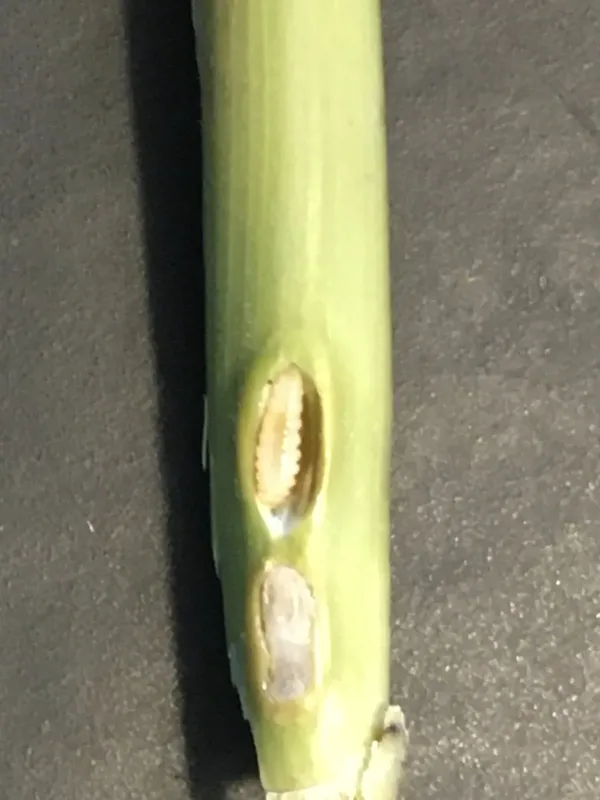
The most diagnostic feature of an infestation is the presence of hard, swollen galls on the stems of the grass plants.
Careful dissection of these swellings usually reveals one or more larvae or pupae tucked inside the plant tissue.
Plants under heavy attack often exhibit stunted growth, chlorosis of lower leaves, and a general lack of vigor compared to healthy neighbors.
The formation of exit holes on the surface of the galls indicates that the adult insects have completed their development and emerged.
In some cases, the stem may appear kinked or bent at the site of the gall, which is a clear indicator of localized tissue damage.
Control measures
Cultural control measures, such as deep plowing after harvest, are effective in burying and killing the overwintering pupal stages.
Sanitation practices including the removal and destruction of crop residues help reduce the source of infestation for the following season.
Crop rotation remains a fundamental strategy to disrupt the pest's cycle and prevent population buildup in specific fields.
Chemical control should be targeted at the period of adult emergence, using systemic insecticides to reach the larvae within the tissues.
Biological control, focusing on the protection of parasitic wasps that predate on the midge larvae, provides a sustainable management option.
Taxonomy
- Latin name
- Giraudiella
- Order
- Diptera (flies)
- Family
- Cecidomyiidae
- EPPO code
- GIRASP
Discussion
No discussions yet — be the first.