
Geromyia
Geromyia
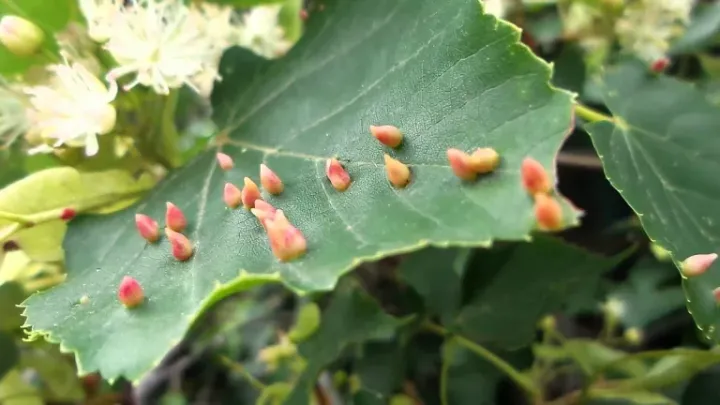
Description
How to identify
Geromyia is a genus of insects belonging to the family Cecidomyiidae (gall midges) within the order Diptera. These are tiny flies, often overlooked due to their microscopic size and secretive lifestyle.
The larvae of Geromyia are legless, typically spindle-shaped, and range in color from white to yellowish. They lack a well-developed head capsule, which is an adaptation to their endophagous feeding habit.
Accurate identification of Geromyia species requires microscopic analysis of adult morphological traits. Field identification is most often based on the specific type of galls induced on the host plant tissues.
The life cycle consists of complete metamorphosis: egg, larva, pupa, and adult. The duration of each stage is highly dependent on environmental conditions, particularly temperature and humidity levels.
Natural enemies, such as parasitic wasps, play a significant role in keeping populations in check. Environmental imbalances can lead to sudden population explosions and subsequent crop damage.
What it damages
Geromyia species are specialized feeders on herbaceous plants. In agriculture, they primarily target various cereal and forage crops, causing significant stress to the host plants during their growth stages.
The larvae live internally within stems or leaf sheaths, feeding on the plant's sap. This feeding process induces the formation of galls, which are abnormal tissue growths caused by the insect's secretions.
These galls disrupt nutrient transport within the plant, negatively affecting the overall health and productivity of the host. Significant infestations often result in stunted growth and reduced biomass.
Structural integrity of the stems can be compromised due to larval feeding, leading to increased lodging of the crop. This makes the plants more susceptible to environmental stress and mechanical damage.
Furthermore, the damaged tissues often become secondary infection sites for various pathogens, including fungi and bacteria. This can lead to broader plant health issues beyond the initial infestation.
When it appears
The activity of Geromyia is closely synchronized with the phenology of host plants. Adult emergence typically occurs during the spring and early summer when plants are in their peak vegetative growth phase.
Multiple generations can occur throughout the growing season, depending on the accumulation of degree-days and soil moisture availability. The first generation is usually the most damaging to young crops.
Temperature thresholds play a crucial role in triggering the exit from diapause. A consistent warming trend in spring is the primary factor for mass emergence of adults to begin the cycle.
As the season comes to an end, larvae enter diapause to survive winter conditions. They typically overwinter within the soil or in crop residues, protected from harsh environmental elements.
Effective monitoring involves the use of sticky traps or observational surveys of plant stems. Early detection is vital for timing control measures to prevent significant yield losses.
Signs of infestation
Initial signs of infestation include slowed growth rates and a sickly, chlorotic appearance of the plant foliage. Plants may appear stunted compared to healthy neighboring crops.
The most diagnostic sign is the presence of galls or localized swellings on the stems or leaf nodes. Dissecting these swellings will reveal the presence of larvae or their feeding tunnels inside.
Affected plants often show signs of distortion or bending, particularly at the points where the larvae have concentrated. This deformation results from the uneven growth stimulation caused by the insects.
Infestations often appear in patches across a field. These hotspots tend to expand as the population increases, leading to noticeable yellowing or browning of the affected areas over time.
- Stunted and chlorotic growth
- Formation of galls on stems or nodes
- Stem distortion and lodging
- Reduced vigor in vegetative parts
- Premature plant senescence
Control measures
Cultural control practices are the cornerstone of managing Geromyia. Post-harvest stubble management, such as deep plowing, effectively buries and destroys the overwintering larval population.
Crop rotation is a critical strategy to disrupt the life cycle of the pest. Avoiding the planting of susceptible cereal crops in the same location for multiple years significantly lowers infestation risks.
Chemical control is effective when timed with the peak adult flight period. Systemic insecticides are preferred as they penetrate plant tissues to target larvae feeding within the stems or galls.
Biological control options include the application of entomopathogenic fungi or the encouragement of natural parasitoid populations. This approach helps maintain ecological balance within the agroecosystem.
Utilizing resistant crop varieties is the most sustainable long-term solution. Breeding programs focused on plant tolerance and regenerative ability can help minimize the economic impact of this pest.
Taxonomy
- Latin name
- Geromyia
- Order
- Diptera (flies)
- Family
- Cecidomyiidae
- EPPO code
- GEROSP
Discussion
No discussions yet — be the first.