
Lupine gall wasp
Ganaspis lupini
Description
How to identify
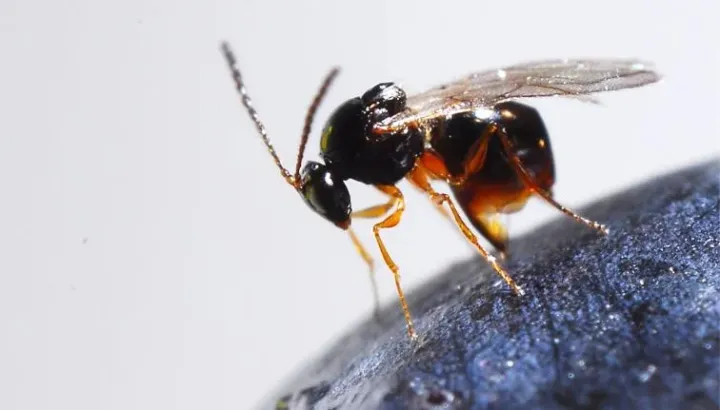
The Lupine gall wasp (Ganaspis lupini) is a small insect belonging to the order Hymenoptera and the family Cynipidae.
Adult insects resemble tiny parasitic wasps that have evolved to feed specifically on plant tissues rather than other insects.
The body of the pest is dark-colored and features a specialized ovipositor, which the female uses to insert eggs deep into the host plant tissue.
Due to their microscopic size, identifying these pests in the field is challenging, and they are most often detected by the damage they cause.
The larvae develop in a concealed manner, making them highly resistant to standard contact-based insecticidal treatments.
What it damages
The primary host plants for this species are various types of lupine (Lupinus), including both annual and perennial varieties grown in agriculture.
The wasp primarily targets the generative organs of the plant, which directly impacts the yield potential of the leguminous crop.
The damage is characterized by the formation of specific galls on shoots, flower buds, or young pods where the larvae feed.
Feeding disrupts the internal circulation of nutrients and metabolic processes, weakening the affected parts of the plant.
Severe infestations lead to deformed pods, reduced seed weight, and compromised seed quality, which is critical for commercial farming.
When it appears
The life cycle of the Lupine gall wasp is tightly synchronized with the phenology of the lupine plant, beginning during active growth stages.
Adults emerge in spring when temperatures are favorable for mating and searching for suitable egg-laying sites.
The egg-laying period coincides with the budding phase of lupine, providing the larvae with an immediate source of food upon hatching.
Development within the galls lasts for several weeks, after which the next generation may emerge or enter a state of diapause.
The adult activity period continues as long as the host plant is in a phase suitable for gall formation and larval nourishment.
Signs of infestation
The most prominent sign of infestation is the appearance of distinct growths, known as galls, on various parts of the lupine plant.
These galls often display specific shapes and colors that contrast with the healthy green foliage of the plant.
Dissecting these growths usually reveals the larva or the chamber where the pest has been feeding and developing.
Stunted growth of specific shoots and premature wilting of flower buds are strong indicators of the wasp's presence within the plant tissues.
Fields with significant infestations often exhibit uneven maturation of pods and a general decline in the overall crop performance.
Control measures
Integrated pest management begins with sound agronomic practices, such as crop rotation, to prevent the buildup of pest populations in the soil.
Deep plowing of crop residues immediately after harvest is essential to eliminate overwintering stages of the wasp.
Chemical control requires the use of systemic insecticides during the peak activity of adult wasps, specifically before galls have formed.
Monitoring population levels using yellow sticky traps helps agronomists determine the most effective timing for field applications.
Choosing resistant cultivars and maintaining spatial isolation from wild lupine populations are effective ways to reduce the risk of outbreaks.
Taxonomy
- Latin name
- Ganaspis lupini
- Order
- Hymenoptera
- Family
- Figitidae
- EPPO code
- GANALU
Discussion
No discussions yet — be the first.