
Feltiella
Feltiella acarisuga
Description
How to identify
Feltiella acarisuga is a predatory midge belonging to the family Cecidomyiidae. It is recognized as a vital biological control agent used to manage spider mite infestations in various horticultural crops.
The adult midge is very small, measuring approximately 1.5–2 mm in length, with long legs and a delicate body. Adults are primarily nocturnal and are proficient at locating spider mite colonies by scent.
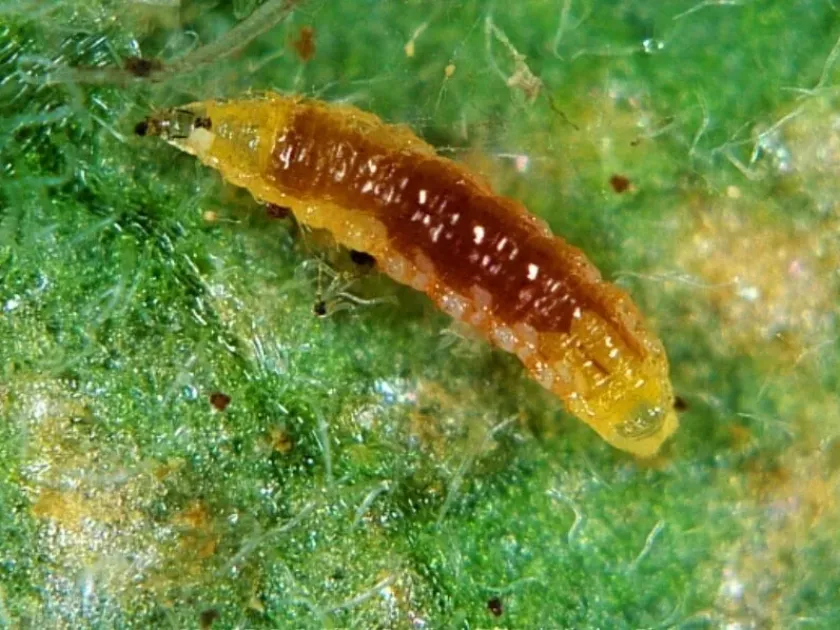
The larvae are the active predators. They are small, ranging from 0.5 to 2 mm in length, and possess a distinct bright orange or pinkish-red color, making them identifiable against green foliage.
The lifecycle includes egg, four larval instars, pupa, and adult. Development is temperature-dependent, typically occurring faster in warm conditions, with an optimal range between 20°C and 25°C.
These midges are highly mobile, allowing them to disperse throughout a crop and locate isolated outbreaks of spider mites that other predators might miss.
What it damages
Feltiella acarisuga does not harm plants. Instead, it serves as a powerful natural enemy of spider mites (Tetranychidae), playing a crucial role in integrated pest management programs.
The larvae feed by piercing the body of the spider mite and sucking out its internal fluids. A single larva is capable of consuming several dozen mites and their eggs throughout its development.
By effectively suppressing mite populations, the midge prevents the severe leaf chlorosis, webbing, and eventual plant death associated with heavy spider mite infestations.
They are particularly effective in greenhouse environments where high humidity levels favor their development, and where chemical pesticide use needs to be minimized for consumer safety.
The use of this predator helps stabilize the ecosystem within the greenhouse, reducing the reliance on toxic synthetic acaricides and promoting sustainable crop production practices.
Control measures
Successful management requires maintaining relative humidity above 60–70% within the greenhouse, as dry air is detrimental to the development of the larvae and pupae.
Chemical intervention should be avoided before and during the introduction of the midges, as many common insecticides are highly toxic to the Feltiella population.
Early detection of spider mite outbreaks is essential. Releasing Feltiella acarisuga promptly upon observing the first signs of spider mite damage ensures maximum control efficacy.
The midges are typically released in targeted zones where mite density is highest, allowing the beneficial insects to establish and begin feeding on the prey immediately.
Monitoring the population dynamics of both the spider mites and the Feltiella larvae is necessary to ensure the biological balance is maintained throughout the growing season.
Taxonomy
- Latin name
- Feltiella acarisuga
- Order
- Diptera (flies)
- Family
- Cecidomyiidae
- EPPO code
- THRDPE
Discussion
No discussions yet — be the first.