
Ethmia
Ethmia
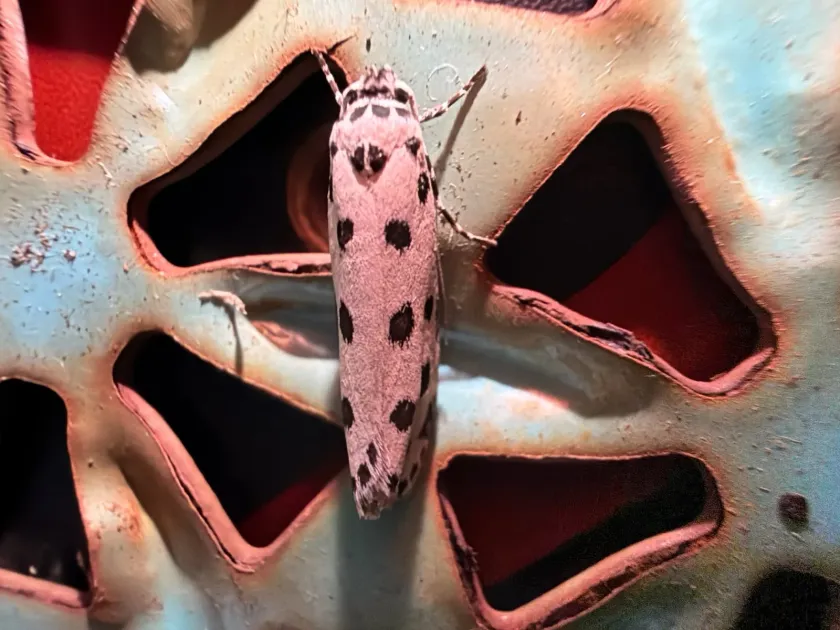
Description
How to identify
The genus Ethmia belongs to the family Ethmiidae, which is closely related to the Gelechiidae family. These insects are small to medium-sized moths known for their distinctive wing patterns, often featuring spots or stripes that provide excellent camouflage.
Adult moths typically have a wingspan ranging from 15 to 30 mm. Their bodies are elongated, and their coloration often includes shades of white, gray, and black, making them blend well with tree bark or foliage surfaces.
The larvae, or caterpillars, are often brightly colored with contrasting patterns. This aposematic coloration serves as a defense mechanism, warning predators that they may be distasteful or toxic.
The life cycle of the Ethmia moth consists of four stages: egg, larva, pupa, and adult. They typically undergo one or two generations per year, depending on the climatic conditions of the region where they reside.
Pupation occurs inside robust silk cocoons spun by the larvae. These cocoons are often placed in crevices on stems, among curled leaves, or within plant debris found on the ground surface.
What it damages
Ethmia larvae predominantly feed on plants from the Boraginaceae family, though they can occasionally infest other plant species. Their feeding habits make them a potential concern for both ornamental plants and specific field crops.
Young larvae are often leaf miners, creating distinct tunnels within the leaf tissues. This damage disrupts the plant's ability to perform photosynthesis efficiently, leading to weakened growth and reduced overall vitality.
As the larvae mature, they shift to open feeding, consuming large sections of the leaf blade. In cases of high infestation, this can result in total defoliation, which severely impacts the plant's ability to produce flowers or fruit.
The presence of larvae also results in the structural damage of the plant, as they frequently web leaves together. These webbed structures serve as protected shelters but also create microclimates that encourage the development of secondary diseases.
Severe infestations can lead to stunted growth or even the death of young seedlings if the terminal buds are consumed by the larvae. This damage is particularly critical in the early stages of plant development.
Signs of infestation
The most common sign of an Ethmia infestation is the appearance of leaf mines or irregular holes in the foliage. Inspecting the underside of the leaves is essential for early detection of these pests.
Webbing between leaves or at the tips of new shoots is a tell-tale sign of the presence of Ethmia larvae. When these webs are opened, one can usually find the caterpillars hiding or feeding inside.
The presence of frass (caterpillar droppings) on leaf surfaces or gathered within the webbing is a clear indicator that the larvae are currently active and feeding on the plant tissue.
Yellowing, curling, and premature leaf drop are common responses of the plant to heavy feeding. In ornamental plantings, this can significantly diminish the aesthetic value of the foliage.
During the twilight hours, adult moths may be seen flying near host plants. Light traps are an effective tool for monitoring the arrival of adult moths, providing a heads-up for the emergence of the next generation of larvae.
Control measures
Cultural control practices, such as removing weeds from the Boraginaceae family, are the first line of defense. By eliminating alternative host plants, you can significantly reduce the local population of the pest.
Manual removal of webbed leaves and egg clusters is highly effective for small-scale gardens or greenhouses. This method prevents the escalation of the population without requiring the use of chemical pesticides.
Biological control using microbial insecticides, such as Bacillus thuringiensis (Bt), is very effective against young caterpillars. These products are environmentally friendly and safe for most beneficial insects present in the garden.
When chemical intervention is necessary, apply systemic insecticides during the peak hatching period. Always ensure that the selected product is labeled for use on your specific crop and strictly follow the recommended application rates.
At the end of the growing season, clear away all fallen leaves and plant debris. Since pupae overwinter in these materials, disposing of them properly is a vital step in breaking the life cycle of the Ethmia moth.
Taxonomy
- Latin name
- Ethmia
- Order
- Lepidoptera (butterflies)
- Family
- Ethmiidae
- EPPO code
- ETHMSP
Discussion
No discussions yet — be the first.