
Eriocampa
Eriocampa
Description
How to identify
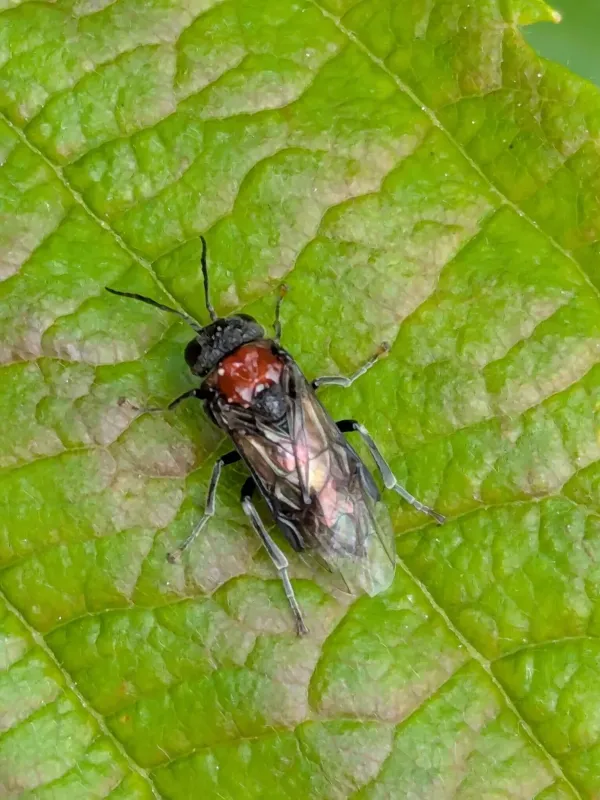
Eriocampa is a genus of insects belonging to the family Tenthredinidae, the common sawflies, within the order Hymenoptera. Adults are typically small, wasp-like insects with clear, membranous wings.
The larvae, known as false caterpillars, are easily distinguished from true moth caterpillars by their distinct head structure and the presence of both thoracic and abdominal legs.
Often, these larvae exhibit a characteristic slimy or wax-covered body, which acts as a defense mechanism against predators and environmental stressors during their feeding stage.
Their life cycle involves a pupal stage that occurs within the soil, where the insects construct durable cocoons to survive overwintering periods before emerging as adults.
Accurate identification of the species usually requires professional entomological examination of the wing venation and specific morphological traits of the adult insects.
What it damages
Eriocampa species primarily infest Rosaceae fruit trees, with cherries, plums, and pears being the most susceptible hosts in domestic and commercial orchards.
Larvae feed exclusively on the foliage, typically grazing the underside of leaves. They often consume the leaf tissue while leaving the veins intact, leading to severe skeletonization.
Such damage significantly reduces the tree's photosynthetic capacity, which directly negatively impacts fruit quality, size, and the overall yield of the harvest for the current season.
Repeated annual attacks lead to tree exhaustion, causing premature leaf fall. This stress reduces the cold-hardiness of the tree and makes it prone to secondary infections and pests.
In nurseries, young saplings are at high risk, as heavy defoliation by Eriocampa larvae can stunt their growth and compromise the development of a healthy scaffold structure.
Signs of infestation
The most visible sign of an infestation is the appearance of semi-transparent patches or "windows" on the leaves where the larvae have consumed the green tissue.
As the larvae mature, these patches often dry out, turn brown, and fall out, creating a shot-hole appearance that can cause the entire leaf to curl or die prematurely.
Observing the undersides of leaves will reveal the presence of the larvae, which are frequently clustered together while feeding on the leaf surface.
The accumulation of frass (larval excrement) on leaves or the ground beneath infested branches is a clear indicator of active feeding colonies within the canopy.
Severe infestations manifest as scorched-looking foliage that turns yellow and drops early, significantly thinning the canopy long before the natural autumn senescence.
Control measures
Cultural control is a primary defense strategy, focusing on autumn soil cultivation or tilling under the tree canopy to expose and destroy overwintering cocoons.
Chemical control involving systemic or contact-based insecticides is recommended when larvae are in their early instars, following local safety guidelines regarding harvest intervals.
Biological alternatives, such as using entomopathogenic bacteria or fungi, offer an effective and environmentally friendly way to manage populations without harming beneficial insects.
Hand-picking or shaking larvae from branches onto cloths for disposal is a practical measure for small-scale garden owners during the early stages of infestation.
Ongoing monitoring and the use of sticky traps can assist in detecting the presence of adults, allowing for timely intervention before the population reaches an uncontrollable level.
Taxonomy
- Latin name
- Eriocampa
- Order
- Hymenoptera
- Family
- Tenthredinidae
- EPPO code
- ERIASP
Discussion
No discussions yet — be the first.