
Enigmadiplosis
Enigmadiplosis
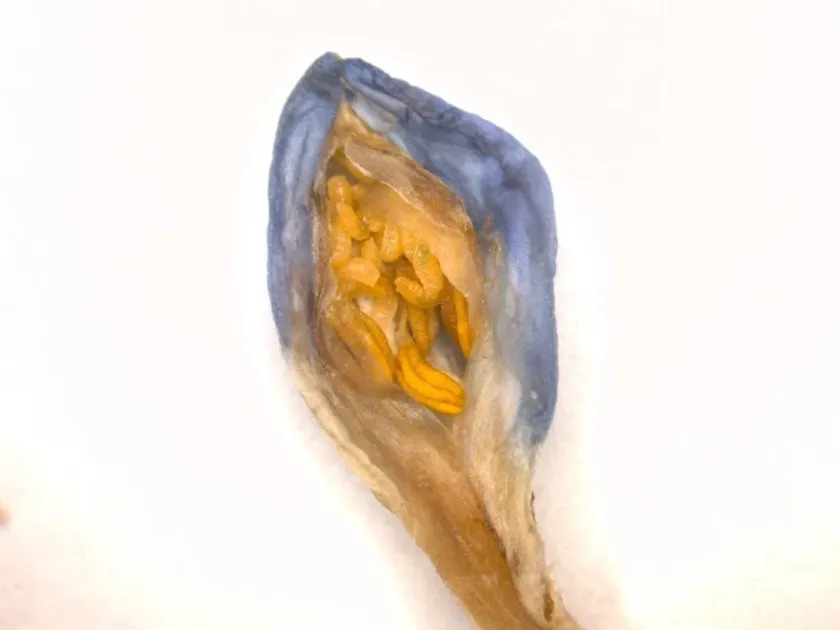
Description
How to identify
Enigmadiplosis is a genus of insects within the family Cecidomyiidae, commonly known as gall midges. These are minute, delicate flies that belong to the order Diptera, often characterized by their inconspicuous nature and complex life cycles.
Adult midges are extremely small, often appearing as tiny, fragile gnats with transparent wings. Identification usually requires microscopic analysis of adult morphological features or the characteristics of the larvae found within plant tissues.
The genus name itself reflects the challenges taxonomists face in classifying these specific gall midges. Their development is often host-specific, making them highly adapted to the physiological cycles of their target plants.
The life cycle typically includes several larval instars, with the most damage occurring during the active feeding stages. Environmental conditions such as ambient temperature and humidity play a critical role in the timing of their emergence and mating flights.
Monitoring for Enigmadiplosis involves the use of sticky traps or pheromone-based lures to detect the presence of adults in the orchard or field, which is essential for determining the timing of any necessary control interventions.
What it damages
Enigmadiplosis typically infests berry crops, particularly those in the Rosaceae family. The larvae are primary pests, burrowing into the stems or buds of the host plant to feed on the internal tissues.
As the larvae feed, they inject substances that interfere with the plant's nutrient distribution and vascular system. This disruption causes the plant to divert energy away from fruit development, leading to reduced yields and inferior fruit quality.
The structural integrity of infested stems is compromised by the larval tunneling, making the plant highly susceptible to physical breakage. Furthermore, these entry points often become sites for opportunistic fungal infections, complicating the overall disease profile.
The damage is cumulative, as persistent infestation leads to a decline in plant vigor over several seasons. Without effective management, entire plantations may eventually lose their commercial viability and need replacement.
Because the damage is internal, it often remains undetected until significant physiological stress symptoms manifest in the canopy. This "hidden" injury is a hallmark of Enigmadiplosis infestation in managed berry crops.
Signs of infestation
The earliest signs of Enigmadiplosis include localized swelling, gall formation, or twisting of the stems. These deformities result from the plant’s response to the larval feeding and tissue disruption.
Leaves on infested shoots often exhibit chlorosis or early wilting, even under optimal irrigation, because the internal vascular damage prevents adequate water and nutrient flow to the extremities.
When an infested stem is sectioned, one can observe internal discoloration and larval channels. The presence of these tunnels is a definitive indicator of an active or recent infestation by stem-boring insects.
Bud development is frequently stunted or abnormal, with many buds failing to open or producing malformed growth. This directly correlates with the larvae overwintering or feeding near the growing points of the plant.
Stunted overall growth of the bush compared to healthy specimens is a classic observation during the growing season. Early detection of these signs is vital for implementing control measures before the population reaches an economic threshold.
Control measures
Effective management of Enigmadiplosis relies on an Integrated Pest Management (IPM) approach that combines cultural practices with targeted chemical or biological interventions to disrupt the insect’s life cycle.
- Prompt removal and destruction of all infested or dead stems.
- Use of certified, pest-free nursery stock to prevent new infestations.
- Maintaining proper field sanitation to reduce overwintering sites.
- Optimal fertilization to encourage plant vigor and resistance to attack.
Chemical control usually involves the application of systemic insecticides timed with the emergence of adult midges. Rotating the active ingredients is recommended to prevent the development of pesticide resistance in the population.
Biological control strategies may involve the release of specific natural predators or parasitoids that target the larval stage. Such methods provide a more sustainable long-term solution for large-scale berry production sites.
Taxonomy
- Latin name
- Enigmadiplosis
- Order
- Diptera (flies)
- Family
- Cecidomyiidae
- EPPO code
- ENIGSP
Discussion
No discussions yet — be the first.