
Ellimenistes
Ellimenistes laesicollis
Description
How to identify
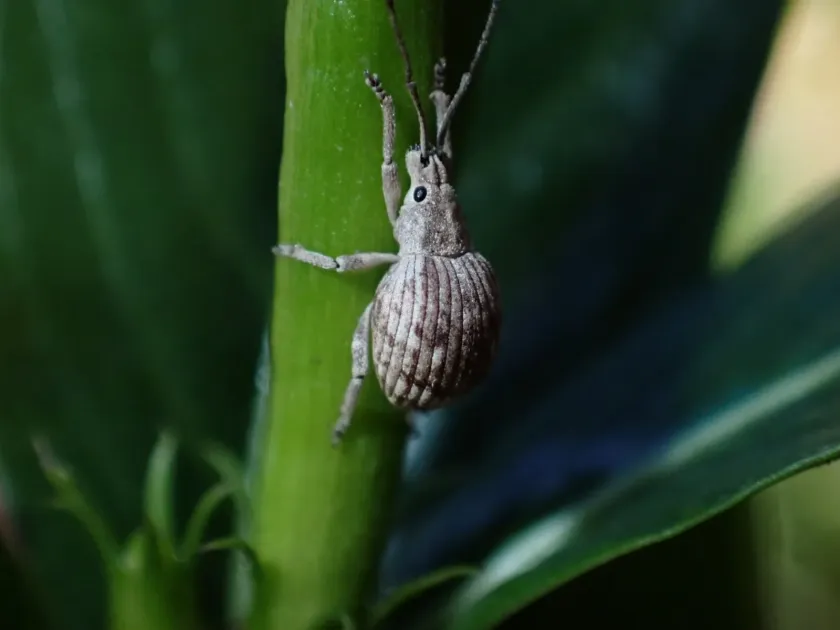
Ellimenistes (Ellimenistes laesicollis) is a species of weevil belonging to the Curculionidae family within the order Coleoptera. These beetles are characterized by their snout-like mouthparts and bodies covered with specialized scales that provide effective camouflage against soil and organic debris.
The adult weevils are stout with a compact body shape, typically displaying grayish or brownish tones. This coloration allows them to blend seamlessly with the environment, making them difficult to detect during daylight hours when they are less active.
The larvae are typically legless, white to creamy in color, and possess a well-defined chitinized head. They live cryptically in the root zone, feeding on the underground portions of host plants throughout their development phase.
The life cycle of this beetle includes four distinct stages: egg, larva, pupa, and adult. Environmental conditions, particularly soil moisture and temperature, play a crucial role in determining the speed of their development and survival rate.
Overwintering typically occurs in the adult stage within the upper layers of the soil or beneath accumulated plant residues. As temperatures rise in the spring, the beetles emerge to seek food and initiate the reproductive cycle.
What it damages
This pest affects a variety of agricultural crops, particularly during the early vegetative stages. Damage is caused by both the feeding of adults on foliage and the larval activity within the root system of the plants.
Adult beetles feed on the edges of leaves, creating notched patterns that reduce the photosynthetic surface area. In severe infestations, this feeding can lead to significant stunting and reduced plant vigor during critical growth periods.
Larval feeding on the roots and root collars disrupts the plant’s ability to take up water and nutrients. This damage often results in wilting, yellowing, and potentially the death of young seedlings if the population density is high.
The presence of root injuries often facilitates the entry of soil-borne pathogens, leading to secondary infections such as root rot. These complications further exacerbate the negative impact of the pest on overall crop yield and field uniformity.
The most severe outbreaks are usually associated with monoculture practices or areas where soil management is neglected, providing a stable habitat for the pest population to build up over successive seasons.
Control measures
Effective management begins with robust crop rotation practices. Diversifying crop sequences helps to disrupt the life cycle of the weevil, reducing the availability of suitable hosts for larvae and limiting population growth.
Mechanical cultivation, such as deep autumn plowing, is an essential tool for disrupting the overwintering sites of the beetles. By turning over the soil, farmers expose larvae and pupae to predators and adverse environmental conditions.
Chemical control involving insecticides applied during the early growth stages is necessary when pest thresholds are exceeded. Timely application ensures that the population is kept under control before significant damage occurs to the seedlings.
Seed treatment with systemic insecticidal compounds provides a crucial layer of protection against early-stage larval attacks. This method is highly effective in protecting the root system during the plant's most vulnerable period.
Regular field monitoring and the use of scouting techniques are vital for making informed management decisions. Monitoring helps in identifying hotspots and ensuring that control measures are applied only when and where they are truly needed.
Taxonomy
- Latin name
- Ellimenistes laesicollis
- Order
- Coleoptera (beetles)
- Family
- Curculionidae
- EPPO code
- ELIMLC
Discussion
No discussions yet — be the first.