
Diabrotica lemniscata
Diabrotica lemniscata
Description
How to identify
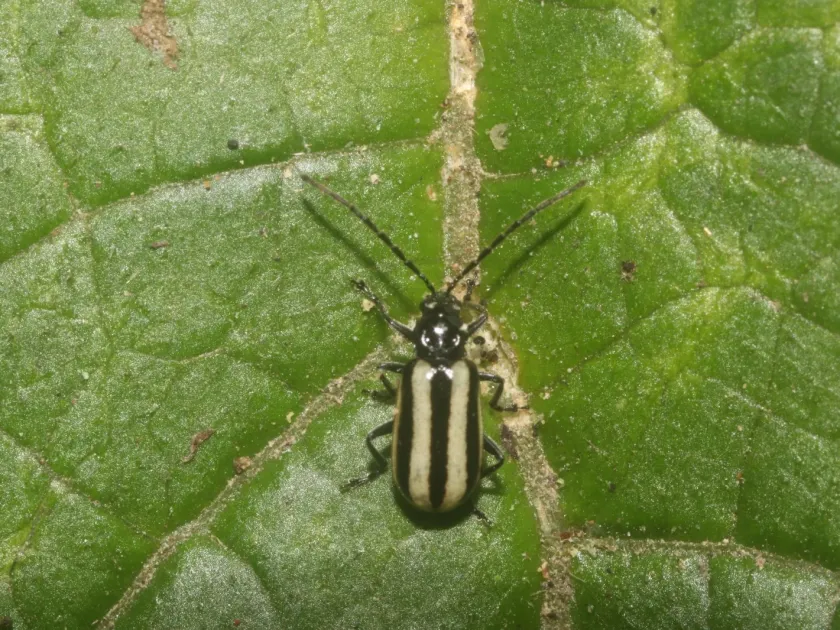
Diabrotica lemniscata is a member of the leaf beetle family (Chrysomelidae) and the order Coleoptera. This small beetle is easily identified by the distinct longitudinal stripes on its elytra, which give the species its scientific name.
The body of the insect is elongated and oval, with coloration ranging from yellowish to brown, featuring dark markings. The antennae are filiform, a characteristic feature common to the genus Diabrotica.
The larvae, which are cream or white with a dark head capsule, lead a subterranean life. They develop within the soil, feeding specifically on the roots of their host plants.
Adults are highly mobile and capable of flight, allowing them to rapidly infest crop fields during the active growing season of their host plants.
The life cycle involves complete metamorphosis, consisting of four stages: egg, larva, pupa, and adult. Each stage is strictly regulated by environmental conditions, particularly soil temperature and humidity.
What it damages
The primary hosts of this pest include cereal crops, most notably corn. Adult beetles feed on leaves, pollen, and corn silks, which can interfere with the pollination process and lead to poor kernel set.
The most severe agricultural damage is caused by the larvae, which feed on the root systems. This destruction disrupts the plant's ability to absorb water and essential nutrients.
A damaged root system weakens the plant's structural integrity, making it prone to lodging, especially during heavy wind or rainfall events that occur during the mid-season.
Root damage creates entry points for various soil-borne pathogens, leading to secondary fungal or bacterial infections that further degrade plant health.
High larval populations can lead to significant yield reductions, making early detection and intervention essential for maintaining crop profitability.
When it appears
Adult activity typically peaks in mid-summer, coinciding with the flowering and silking stages of corn, where the beetles gather to feed on reproductive tissues.
Eggs overwinter in the soil profile. As soil temperatures rise in the spring, the larvae hatch and immediately begin feeding on the young, tender roots of the host plants.
The larval feeding period is critical, as it aligns with the phase of maximum root growth, making the plants highly susceptible to injury during this time.
Pupation occurs in the soil, followed by the emergence of the adult generation, which then feeds on vegetation and prepares for the reproductive cycle.
The pest typically completes one generation per year, though its emergence timing can shift based on regional climatic variations and local weather patterns.
Signs of infestation
Initial symptoms of larval damage include stunted growth and chlorosis (yellowing) of the lower leaves, reflecting the plant's struggle to maintain nutrient uptake.
A classic sign of severe infestation is "goose-neck" lodging, where plants attempt to right themselves after their roots have been pruned, resulting in curved stalks.
Adult feeding on leaves causes distinct longitudinal scars or "windowpane" marks where the epidermis has been scraped away by the beetles.
Poor grain development in the ears is often a visual indicator that adult beetles have significantly damaged the corn silks during the crucial pollination window.
Careful excavation of the root system will reveal pruned or severed roots, and a search through the surrounding soil often yields the presence of white larvae.
Control measures
Effective crop rotation is the primary cultural control method, as breaking the cycle of the host plant significantly limits larval survival rates.
Seed treatments with systemic insecticides provide early-season protection to the root system, which is vital during the plant's vulnerable seedling stage.
Foliar insecticide applications target adult populations, helping to reduce the overall density of the pest and preventing large-scale egg laying for the next season.
The use of yellow sticky traps for monitoring adult activity allows farmers to make informed decisions regarding the timing and necessity of chemical interventions.
- Selection of resistant or vigorous corn hybrids.
- Deep tillage practices to disrupt overwintering sites.
- Effective management of volunteer corn and host weeds.
- Regular scouting of fields during critical growth stages.
Taxonomy
- Latin name
- Diabrotica lemniscata
- Order
- Coleoptera (beetles)
- Family
- Chrysomelidae
- EPPO code
- DIABLE
Discussion
No discussions yet — be the first.