
Violet gall midge
Dasineura violae
Description
How to identify
The violet gall midge (Dasineura violae) is a small insect belonging to the family Cecidomyiidae (gall midges) within the order Diptera. Adults are minute, mosquito-like flies measuring approximately 1–2 mm in length.
Females possess a specialized ovipositor, which they use to insert eggs into the soft, succulent tissues of developing leaves and buds of host plants.
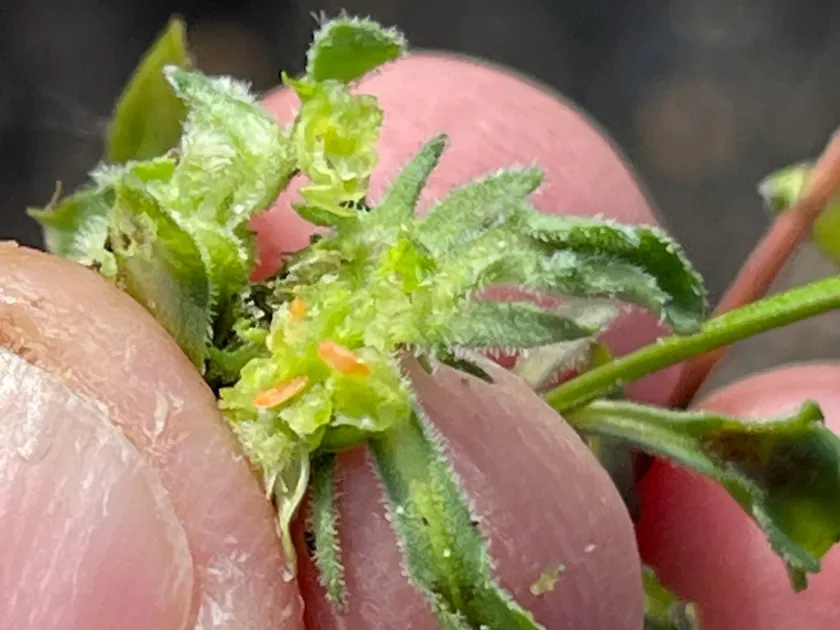
Larvae are legless, whitish or pale orange in color, and develop concealed within the plant tissue, where they feed on the sap and induce abnormal growth.
The life cycle is closely synchronized with the development of the host plant, with the peak emergence of adults often coinciding with the rapid spring growth of violas.
Due to their tiny size and secretive habits, adult gall midges are rarely seen, making the symptoms of plant damage the primary indicator for presence.
What it damages
The primary hosts of this pest are species of the genus Viola, including wild pansies, garden violas, and various ornamental varieties grown in containers or gardens.
The larvae specifically target the most active parts of the plant, including shoot tips, young leaves, and unopened flower buds, disrupting their natural development.
High levels of infestation cause significant deformation of leaves and buds, preventing proper flowering and severely reducing the ornamental value of the plants.
Severely infested plants become stressed and weak, which can make them more susceptible to secondary fungal pathogens, including botrytis and powdery mildew.
In greenhouses or controlled indoor environments, the pest can reproduce continuously throughout the year, posing a major risk to plant collections if left unmanaged.
Signs of infestation
The most distinctive sign of infestation is the curling, thickening, and distortion of young leaves, often causing them to form small, pouch-like galls.
Affected flower buds typically remain closed, become hard or stunted, and eventually dry out without ever opening, which is a classic symptom of larval activity.
Discolored leaves, often showing yellow or reddish tinges, accompany the deformities, indicating a loss of nutrients and vigor in the host tissue.
In cases of severe infestation, the growing tip of the plant may die back, leading to the development of secondary shoots that are also often subsequently infested.
Monitoring for stunted or strangely shaped new growth is essential for early detection, as the larvae are often hidden deep within the folded leaf tissues.
Control measures
The first and most important step in controlling the violet gall midge is the mechanical removal and destruction of all deformed or infested plant parts.
Systemic insecticides are generally the most effective chemical control method, as they are absorbed by the plant and kill the larvae hidden within the tissues.
- Regular inspection of plants during the active growth season.
- Prompt disposal of infested plant material away from healthy plants.
- Use of systemic insecticides to target larvae feeding internally.
- Maintaining healthy plants through proper watering and fertilization.
Repeated applications of treatments are usually required to break the life cycle, ensuring that successive generations of larvae are effectively neutralized.
Good cultural practices, such as proper spacing and cleaning of debris, help to create a less favorable environment for the midges to lay their eggs.
Taxonomy
- Latin name
- Dasineura violae
- Order
- Diptera (flies)
- Family
- Cecidomyiidae
- EPPO code
- DASYVO
Discussion
No discussions yet — be the first.