
Vetch gall midge
Dasineura viciae
Description
How to identify
The vetch gall midge (Dasineura viciae) is a small insect belonging to the family Cecidomyiidae (gall midges) within the order Diptera. The adult stage consists of tiny, fragile flies that are most active during the growing season.
The larvae are legless and typically pale or yellowish in color. They are specialized feeders that induce the formation of galls — abnormal growths on host plants — which provide them with both food and shelter.
The life cycle is tightly synchronized with the development of vetch plants. Females lay eggs on young terminal leaves, triggering a physiological reaction in the plant that creates a gall chamber around the developing larva.
The larvae feed on plant sap within the gall, going through several instars before pupation. Pupation often occurs either inside the gall or in the soil, depending on the environmental conditions and the time of the season.
Overwintering typically occurs in the larval stage, residing within the soil or in leaf litter, allowing the species to survive low temperatures and emerge when host plants become available in the spring.
What it damages
The primary hosts for the vetch gall midge are various species of Vicia, particularly common vetch used in agriculture. The feeding activity of the larvae causes direct damage to the plant's vegetative organs.
By attacking the terminal buds, the midge effectively stops the growth of the main stem. This arrest in development stunts the plant and significantly reduces its biomass production potential.
The leaves within the gall become deformed and curled, forming tight clusters that are unable to undergo normal photosynthesis. This reduces the energy efficiency of the plant and limits its yield.
In cases of severe infestation, entire fields may show signs of retarded growth. This can lead to significant economic losses, especially when the crop is intended for high-quality hay production or seed harvest.
Weakened plants are also more susceptible to opportunistic diseases and stress factors, further compounding the damage caused by the direct feeding of the gall midges.
Signs of infestation
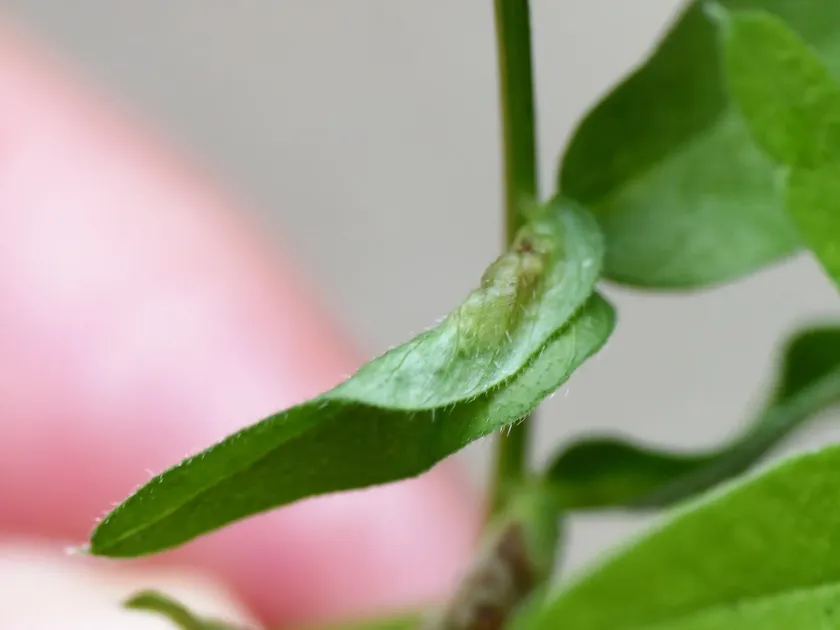
The most distinctive symptom of a vetch gall midge infestation is the presence of swollen, tightly curled terminal leaves, often described as small "cabbages" or nodules located at the top of the stem.
When inspecting the field, these deformed clusters stand out against the backdrop of healthy, open leaves. They appear thickened and show inhibited expansion of the leaflet blades.
Opening these galls reveals the presence of small larvae inside. Early identification of these symptoms is crucial for implementing management strategies before the pest population expands significantly.
If the infestation is high, the overall vigor of the crop decreases, and the plants may take on a chlorotic or stressed appearance due to the disruption of nutrient flow.
- Terminal leaf deformation.
- Presence of gall-like nodule clusters.
- Stunted growth of the main stem.
- Presence of larvae within curled leaf tissues.
Control measures
Crop rotation is the cornerstone of managing vetch gall midge populations. By avoiding vetch cultivation on the same plot for several years, growers can disrupt the lifecycle of the pest.
Deep plowing in the autumn can be highly effective, as it buries overwintering larvae and pupae deep in the soil, preventing the adults from emerging in the following spring.
Timely harvesting of the vetch crop is essential. By cutting the crop before the larvae mature and exit the galls to pupate in the soil, farmers can significantly reduce the potential population size for the next season.
Chemical control is generally reserved for severe outbreaks on high-value seed crops. Systemic insecticides are most effective when applied during the egg-laying period of adult midges.
Weed management, particularly focusing on wild legumes that might serve as alternative hosts, is another vital component of integrated pest management (IPM) to minimize the risk of re-infestation.
Taxonomy
- Latin name
- Dasineura viciae
- Order
- Diptera (flies)
- Family
- Cecidomyiidae
- EPPO code
- DASYVC
Discussion
No discussions yet — be the first.