
Flax seed midge
Dasineura semenivora
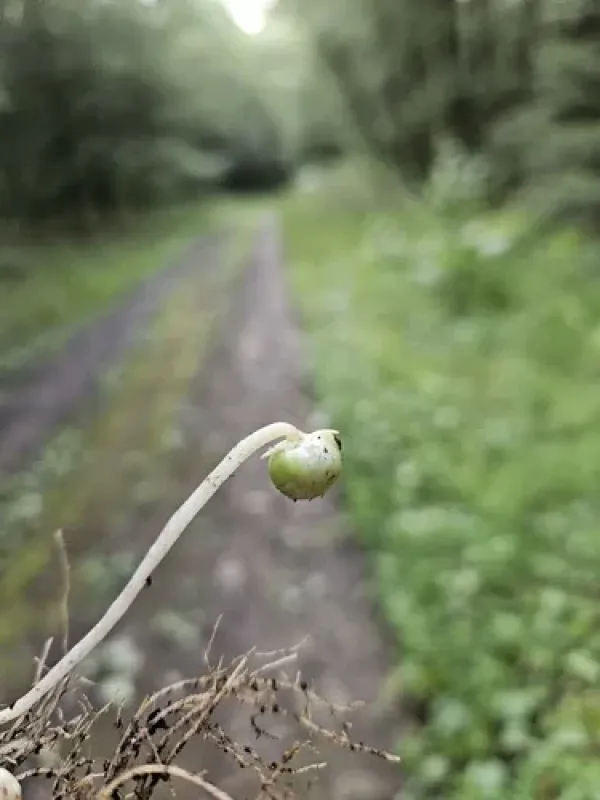
Description
How to identify
The flax seed midge (Latin: Dasineura semenivora) is a small insect belonging to the order Diptera and the family Cecidomyiidae. Adult midges are extremely small, usually measuring 1.5–2 mm in length, with delicate bodies.
The larvae are spindle-shaped and range in color from white to orange. They lack legs and spend their entire developmental cycle inside the flax bolls, feeding on the developing seeds.
The taxonomic classification reflects the midge's high degree of specialization. It is a monophagous pest, meaning it relies almost exclusively on flax plants to complete its life cycle.
The biological cycle is perfectly synchronized with the phenological development of the flax plant. This synchronization makes it a highly effective and dangerous pest for both fiber and oilseed flax production.
Identifying this pest in the field requires close inspection. Adults are difficult to see due to their size, so most monitoring efforts focus on identifying the impact on the plant's reproductive organs.
What it damages
The primary crop affected by the flax seed midge is flax (Linum usitatissimum). Both fiber flax and oilseed flax are susceptible to damage, resulting in significant economic losses.
Larvae feed on the developing seeds inside the boll. This consumption destroys the embryo and the endosperm, rendering the seeds non-viable and reducing the overall weight of the harvest.
The damage caused by the midge can lead to yield losses ranging from 20% to 50% in severe cases. This is particularly devastating for seed production fields where quality is paramount.
Infested bolls often yellow prematurely and dry out. This irregular ripening affects the quality of the flax fiber and complicates the harvesting process, leading to further economic decline.
Furthermore, the damage to the boll's structure allows secondary infections, such as fungal pathogens, to enter the boll. This often leads to rot, especially in humid and rainy weather conditions during the harvest period.
When it appears
The emergence of adult midges usually coincides with the flowering stage of the flax plant. This is the optimal window for the female to lay eggs on the young buds and ovaries.
After hatching, the larvae immediately bore into the developing seed. They feed inside the boll throughout the entire ripening period of the flax, progressing through several larval stages.
The number of generations per year depends on the local climate. In many regions, the midge undergoes one or two generations, with the final generation entering diapause.
Pupation typically occurs either inside the bolls or in the soil, depending on the environmental conditions. This ability to pupate in different locations increases the pest's survival rate.
Diapause allows the midge to survive the winter. With the return of warmer temperatures in the spring, the pupae emerge as adults, ready to infect the new season's crop as soon as the flax begins to grow.
Signs of infestation
The most prominent sign of an infestation is the appearance of stunted or yellowing bolls within the field before the natural maturation process is complete.
- Deformed and swollen flax bolls.
- Presence of tiny emergence holes in the walls of the bolls.
- Empty or brown, damaged seeds found inside the boll.
- Observation of small orange or white larvae during a physical examination of the bolls.
Field monitoring should be prioritized during the flowering phase. Early detection allows for more timely management interventions before the larvae move deeper into the seeds.
A noticeable decrease in the thousand-seed weight after harvest is a strong indicator that the crop suffered from a significant midge infestation.
Control measures
The most effective management strategy involves rigorous crop rotation. Moving flax crops to different fields every 4–5 years significantly reduces the midge population.
Deep autumn plowing is a critical cultural practice. It helps bury the pupae deep in the soil, preventing the adults from emerging the following spring.
Selecting resistant flax varieties with thicker boll walls can help decrease the success rate of larval penetration, providing a level of natural protection.
Chemical control involving insecticides should be applied during the budding and early flowering stages. Timing is crucial, as this is when the pest is most vulnerable to treatments.
Prompt harvesting of the flax crop is essential. Early harvest prevents the larvae from completing their development and dropping to the soil, thereby limiting the buildup of the pest population in the field.
Taxonomy
- Latin name
- Dasineura semenivora
- Order
- Diptera (flies)
- Family
- Cecidomyiidae
- EPPO code
- DASYSE
Discussion
No discussions yet — be the first.