
Sage gall midge
Dasineura salviae
Description
How to identify
The sage gall midge (lat. Dasineura salviae) is a small insect belonging to the family Cecidomyiidae (gall midges) and the order Diptera. These insects are minute and often go unnoticed until significant damage is already present.
The primary damage is caused by the larvae, which are small, legless, and typically yellowish-white. They live inside the plant tissues, which provides them with excellent protection from both environmental factors and manual removal.
Adult midges are fragile flies with a very short lifespan, focused almost entirely on mating and laying eggs. Their tiny size makes them extremely difficult to identify in the field without specific traps.
The life cycle of this pest is strictly linked to the sage growth stages. During winter, they survive as larvae, either inside the soil or within protected plant debris, ready to emerge when temperatures rise.
Agronomists often use yellow sticky traps to monitor the emergence of adult midges, which is the most critical time for preventative pest management interventions.
What it damages
The sage gall midge specifically attacks various species of the genus Salvia, especially Salvia officinalis. The larvae feed by extracting plant fluids, which prevents normal organ development.
As the larvae feed, they induce the plant to form galls—abnormal growths or swellings. These structures serve as both food and shelter for the developing larvae, protecting them from predators.
Damage to the plant causes a significant reduction in the quality and quantity of essential oils produced. The plant loses its commercial value and metabolic energy is diverted to fighting the infestation.
In cases of severe infestation, the leaves may wither and drop prematurely. This leads to reduced photosynthetic capacity, which weakens the entire plant and makes it susceptible to secondary stressors.
The tissue damage caused by the larvae creates entry points for various pathogens, including bacteria and fungi, which can exacerbate the health decline of the sage plants.
When it appears
The sage gall midge becomes active in the spring as soon as weather conditions support the onset of sage growth. Warm and moist weather typically accelerates their development cycle.
The most active period for the larvae is during the early to mid-summer months. This is when multiple generations of the pest can overlap, leading to a rapid increase in the number of galls on the plants.
As the season progresses toward autumn, the activity begins to decline. Larvae transition into their overwintering phase, moving into the soil or plant debris to wait for the next season.
Temperature and humidity are the most significant factors influencing population growth. High-density infestations are usually observed in seasons where stable, warm conditions prevail.
Frequent field scouting during the vegetative season is essential. By identifying early signs of activity, farmers can implement control strategies before the pest population reaches an economic threshold.
Signs of infestation
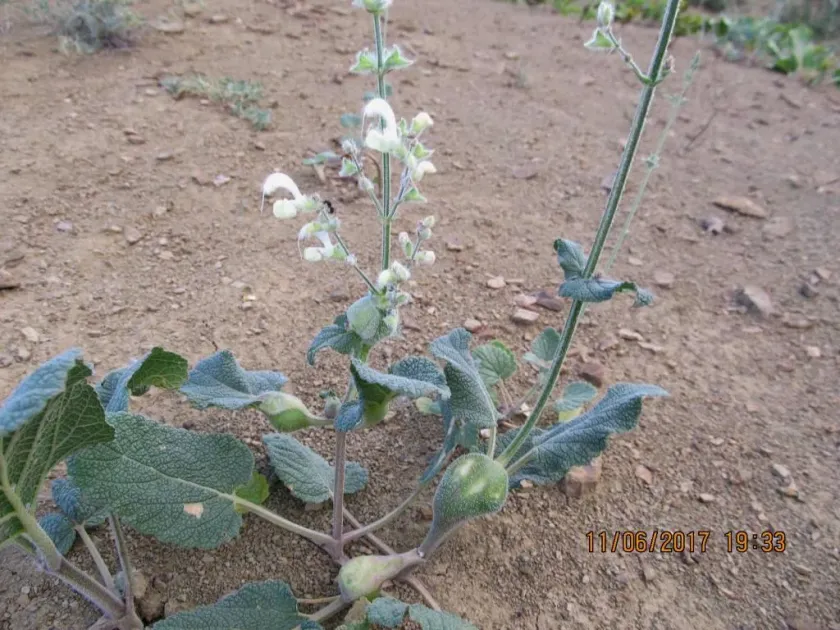
The primary symptom of a sage gall midge infestation is the presence of deformed leaves and characteristic swellings known as galls on the stems or leaves.
- Stunted growth of apical shoots.
- Visible round or irregular swellings (galls) on leaf tissue.
- Premature yellowing and leaf abscission.
- Reduced overall vigor and delayed flowering of the sage plants.
Opening a gall will reveal the small larvae living inside. Often, the damaged tissues become brittle and lose the vibrant aroma typical of healthy sage leaves.
If you notice distorted leaf growth or plants that look stunted compared to their neighbors, it is highly likely that a gall midge colony is present.
Control measures
Good agricultural practices are the first line of defense. This includes removing and destroying all infested plant material after harvest to disrupt the pest's overwintering cycle.
Biological control, using natural predators or parasites of the gall midge, can be an effective way to manage population levels in organic farming systems.
If chemical control is necessary, select systemic insecticides that are specifically approved for use on medicinal and aromatic herbs, strictly following the required pre-harvest intervals.
Crop rotation is crucial. Avoid planting sage in the same soil for at least 3 years to ensure that larvae left in the soil from previous seasons die off without a food source.
Maintaining optimal plant health through proper irrigation and nutrition ensures that sage can better withstand minor pest pressure and recover more quickly from potential damage.
Taxonomy
- Latin name
- Dasineura salviae
- Order
- Diptera (flies)
- Family
- Cecidomyiidae
- EPPO code
- DASYSL
Discussion
No discussions yet — be the first.