
Rose leaf midge
Dasineura rosae
Description
How to identify
The rose leaf midge (Dasineura rosae) is a tiny insect belonging to the Cecidomyiidae family, order Diptera. The adult is a minute fly, resembling a gnat, measuring only 2-3 mm in length.
The life cycle of the midge is strictly synchronized with the growth stages of rose plants. Females lay their eggs on young, unfolding leaves of the host plant.
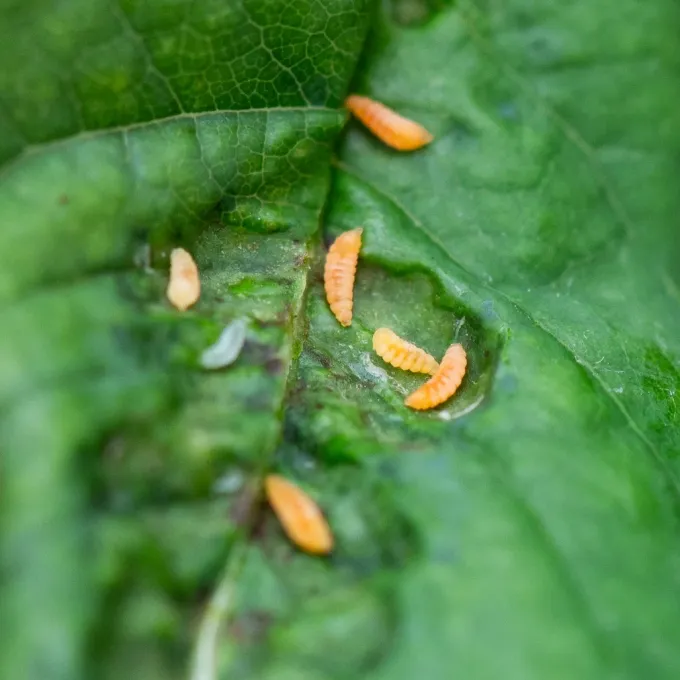
Upon hatching, the larvae appear as small, legless, yellowish-white maggots. These larvae are the primary stage responsible for plant injury.
After feeding, the larvae often drop to the soil surface and burrow into the ground to pupate, where they may remain in a state of diapause through the winter.
Because multiple generations can occur during a single growing season, this pest can cause persistent issues throughout the spring and summer months.
What it damages
Dasineura rosae primarily affects cultivated and wild rose varieties. It specifically targets the most tender, actively growing tips and young leaves of the plant.
As the larvae feed, they secrete enzymes into the leaf tissues, which cause abnormal growth and prevent the leaf from unfurling correctly.
This feeding activity causes the leaves to curl inward along the midrib, forming tight rolls or tubes that provide a protected environment for the larvae to feed.
Severe infestations can lead to leaf yellowing, necrosis, and premature abscission, which leaves the rose bush weakened and stressed.
The cosmetic damage caused by the curling can be significant, and chronic attacks may stunt the overall development of the plant and reduce flowering intensity.
When it appears
The activity of the rose leaf midge begins in the spring, coinciding with the first flush of succulent growth on rose bushes as temperatures rise.
The first generation usually emerges when new leaf buds begin to open, making early spring the most critical time for monitoring and intervention.
Throughout the summer, successive generations overlap, leading to continuous symptoms of leaf curling on new growth throughout the entire season.
As autumn approaches and temperatures drop, the larvae finish their development and migrate into the soil to overwinter as pupae.
Consistent vigilance from May through August is recommended to prevent the population from reaching levels that require intensive chemical control.
Signs of infestation
The most distinctive symptom is the tight curling of young leaflets into tube-like or roll-like structures, which often exhibit reddish or discolored margins.
- Curled young leaves on shoot tips.
- Distorted and misshapen leaf margins.
- Reddish or yellowish discoloration on curled leaves.
- Presence of small white larvae inside the leaf rolls.
- Premature drying and shedding of damaged foliage.
When you carefully open a curled leaf, you will easily spot the small larvae feeding inside the protected roll, confirming the presence of the midge.
As the damage progresses, the leaves become brittle and may eventually wither, detracting significantly from the overall aesthetic of the rose bush.
Control measures
The most effective cultural control method is the prompt removal and disposal of all infested leaf rolls to destroy the larvae before they drop to the soil.
Cultivating the soil beneath the rose bushes in late autumn or early spring can disrupt the pupation sites and reduce the overwintering population.
For significant infestations, systemic insecticides labeled for ornamental rose use can be effective when applied during the active growth stages of the pest.
Encouraging natural predators, such as parasitic wasps and ladybirds, can help manage midge populations in a balanced garden ecosystem.
Maintaining vigorous plant health through proper watering and fertilization helps the roses withstand and recover from light infestations of the midge.
Taxonomy
- Latin name
- Dasineura rosae
- Order
- Diptera (flies)
- Family
- Cecidomyiidae
- EPPO code
- WACHRO
Discussion
No discussions yet — be the first.