
Olive gall midge
Dasineura oleae
Description
How to identify
The olive gall midge (Dasineura oleae) belongs to the order Diptera and the family Cecidomyiidae. This insect is very small, with adults typically measuring only 2–3 mm in length.
Adult midges are delicate insects characterized by long antennae and transparent wings with simplified venation patterns common to the gall midge family.
The larvae are legless and typically have a creamy or orange-yellow color, allowing them to remain hidden within the host plant tissues during their development.
Pupation generally occurs within the gall itself or in the soil, depending on the climatic conditions and the specific generation of the insect cycle.
Identification in the field is primarily based on the presence of characteristic leaf galls, which are visible to the naked eye during routine orchard inspections.
What it damages
The primary host for this pest is the olive tree (Olea europaea). The midge can infest both young trees in nurseries and mature trees in commercial orchards.
Damage is caused by the larvae, which feed on leaf tissues, stimulating the plant to develop abnormal cell growth known as galls, which provide food and shelter.
Severe infestations lead to premature leaf drop, which significantly reduces the photosynthetic capacity of the olive tree and weakens its overall physiological state.
The reduction in photosynthetic activity slows down the growth of the tree, which is particularly detrimental for young olive saplings under cultivation.
High population densities of this pest can lead to a noticeable decrease in olive yields due to the depletion of tree energy reserves and metabolic disruption.
When it appears
The flight activity of adult midges typically begins in the spring, coinciding with the onset of active growth and the emergence of new leaves on olive trees.
Females lay eggs on the young foliage, often near the central leaf vein, ensuring that newly hatched larvae have immediate access to plant nutrients.
Larval development inside the leaf tissues lasts for several weeks, during which the gall grows, providing a safe, enclosed environment for the developing insect.
Depending on the region's climate, the pest may complete one or two generations within a single growing season.
Overwintering occurs either as larvae inside fallen leaves or within the soil, where they survive until the arrival of favorable spring temperatures.
Signs of infestation
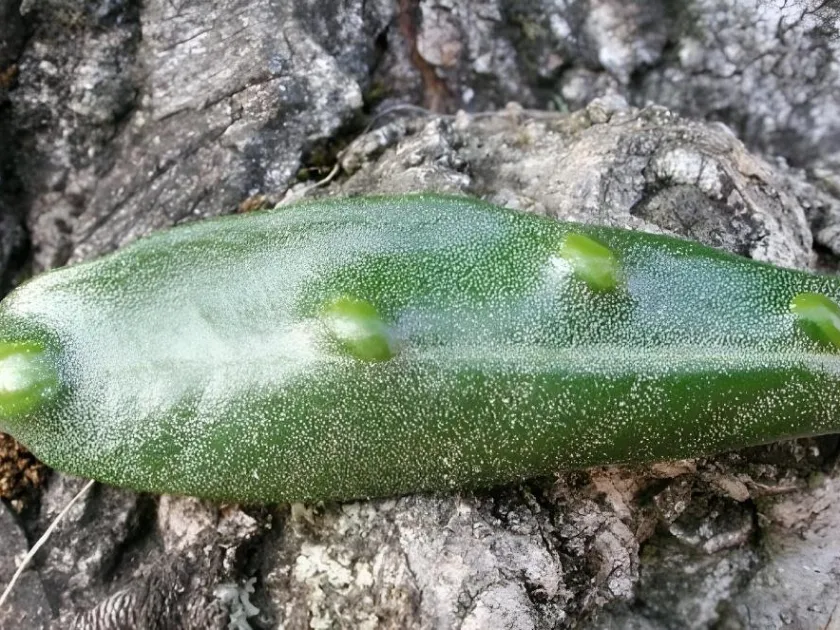
The most prominent sign of infestation is the appearance of dome-shaped or elongated swellings, known as galls, on the surface of olive leaves.
Tissues near the gall often show signs of chlorosis or color changes, which disrupts the uniform appearance of the olive canopy.
- Distortion and curling of the leaf blades in the affected areas.
- Small emergence holes on the surface of galls after adult insects have exited.
- Early leaf abscission leading to thinning of the tree crown.
- Stunted growth of new shoots due to the stress placed on the plant's resources.
Opening a gall to reveal the larva inside provides definitive proof of infestation, allowing for accurate diagnosis of the pest presence.
Control measures
Cultural control methods, such as the pruning and destruction of infested branches, are effective at reducing the population pressure within the orchard.
Maintaining optimal tree vigor through proper irrigation and balanced fertilization helps increase the olive tree's natural resistance to gall midge attacks.
Biological control strategies focus on protecting and encouraging natural predators and parasitoids that feed on midge larvae, keeping their numbers in check.
In cases of severe infestation, systemic insecticides may be required, as they are capable of penetrating the leaf tissue to reach the larvae protected inside the galls.
Regular monitoring using yellow sticky traps helps track adult midge activity, enabling the timing of control interventions to minimize damage to the crop.
Taxonomy
- Latin name
- Dasineura oleae
- Order
- Diptera (flies)
- Family
- Cecidomyiidae
- EPPO code
- DASYOL
Discussion
No discussions yet — be the first.