
Dasineura
Dasineura
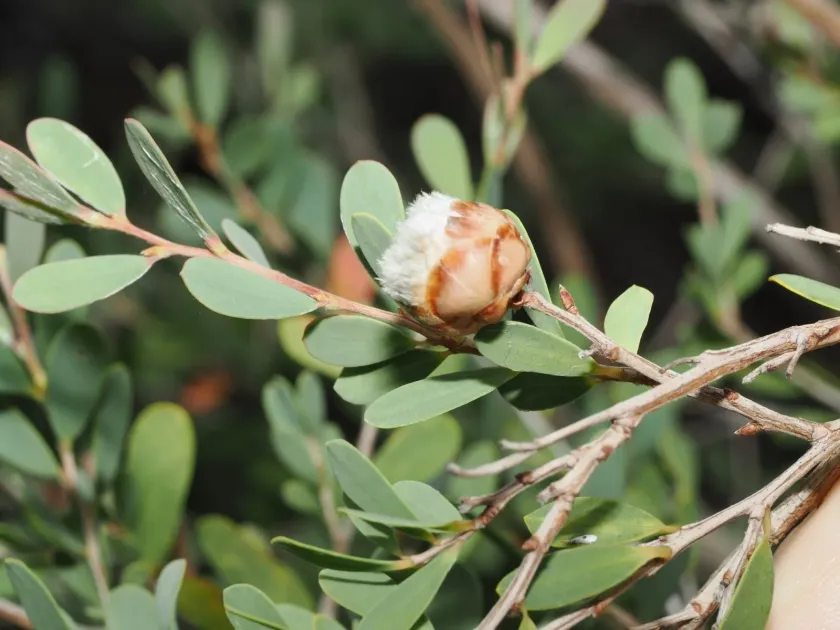
Description
How to identify
Dasineura is a genus of insects belonging to the large family Cecidomyiidae (gall midges) of the order Diptera. These small, fragile insects are best known for their larvae, which live inside plant tissues and cause the formation of galls — abnormal outgrowths of plant cells.
Adult midges are characterized by their miniature size, long antennae, and narrow, hairy wings. Their life cycle is often highly synchronized with the growth phases of their host plants, which makes them specialized, sometimes damaging, pests.
The biology of different Dasineura species varies significantly. While some are major agricultural pests, others are less significant, and some remain relatively unknown in terms of their impact on commercial crops.
The larvae are typically legless and have a spindle-shaped body that ranges in color from white to yellowish-orange. Because they live hidden inside the plant or within galls, they are difficult to detect until significant damage has occurred.
The genus includes numerous species, such as Dasineura brassicae (cabbage gall midge) and Dasineura mali (apple leaf-curling midge), each presenting distinct morphological features and unique ecological preferences.
What it damages
The range of host plants is quite broad, depending on the specific species of the midge. Their primary targets include members of the Brassicaceae, Rosaceae, and various legume families, among others.
Species that target the seeds of cruciferous crops like rapeseed and mustard pose a serious threat. The larvae feed on the juices inside the pods, which causes the pods to deform, wither, and crack prematurely, leading to significant yield loss.
Fruit trees, particularly apple trees, are susceptible to leaf-damaging species. The larvae roll the edges of the leaves into tight tubes; within these shelters, the larvae feed, causing the leaf tissue to become necrotic and eventually dry out.
In ornamental and floral crops, Dasineura can infest buds. This prevents the normal blooming process, leading to deformed flowers, reduced aesthetic value, or the total loss of the flower head.
The harm caused by these pests is twofold: they cause direct mechanical injury to the plant tissues and create entry points for secondary infections, such as bacteria and fungi, which further weaken the host plant.
When it appears
The emergence of adult midges from their overwintering sites usually coincides with the start of the host plant's vegetative growth or the budding phase. This ensures that the newly hatched larvae have an immediate food source.
Adult lifespans are quite short, as their primary function is mating and egg-laying. The real damage is caused by the larval stage, which feeds on plant tissues for several weeks before entering the pupal stage.
The number of generations per season depends heavily on regional climate conditions. In warmer regions, Dasineura can complete multiple generations in a single year, which dramatically increases the population density on the field.
These insects typically overwinter as larvae or pupae, hiding either in the soil or within old plant debris. This biological trait necessitates careful agricultural management of fields before and after the growing season.
Activity levels are directly influenced by ambient temperature and humidity. Dry periods can slow larval development, but recovery is often rapid once moisture conditions become favorable for the species.
Signs of infestation
The most visible sign of infestation is the presence of galls — irregular growths on stems, leaves, or pods. These growths are the plant's defense response to the larvae's feeding and movement.
- Yellowing and wilting of young shoots for no apparent reason.
- Leaves rolled into tight tubes or exhibiting rosette-like formations at the tips of shoots.
- Premature yellowing and splitting of pods in oilseed rape crops.
- Deformed, stunted, or falling flower buds on ornamental plants.
- The presence of tiny orange or yellow larvae when infected tissues are opened.
Early signs are often subtle, so regular scouting of fields is essential. Monitoring for slight changes in leaf shape or abnormal growth patterns is the best way to catch infestations before they spread.
Infected areas often show reddish or brown discoloration, indicating tissue damage or cell death resulting from the larvae's digestive enzymes and feeding activities.
Distinguishing Dasineura damage from fungal diseases or nutrient deficiencies is a critical step for farmers to ensure that appropriate and effective control measures are implemented.
Control measures
Agricultural management serves as the foundation for control. Effective crop rotation is vital, as many midge species remain in the soil near the original crop site for long periods, waiting for the next host cycle.
Destroying crop residue and deep autumn plowing are essential to reduce the number of overwintering larvae, disrupting their life cycle and limiting their access to food resources in the following spring.
Biological control involves the use of natural enemies, such as parasitic wasps (parasitoids), which prey on the larvae and can significantly suppress midge populations without the need for synthetic chemicals.
Chemical control is justified when pest populations exceed economic thresholds. Systemic insecticides are often most effective, as they are absorbed by the plant and reach the larvae protected within the galls or leaf folds.
Timing is crucial: insecticide applications should be synced with the peak flight and egg-laying periods of adult midges to prevent the next generation of larvae from establishing themselves on the crop.
Taxonomy
- Latin name
- Dasineura
- Order
- Diptera (flies)
- Family
- Cecidomyiidae
- EPPO code
- DASYSP
Discussion
No discussions yet — be the first.