
Grape gall midge
Contarinia viticola
Description
How to identify
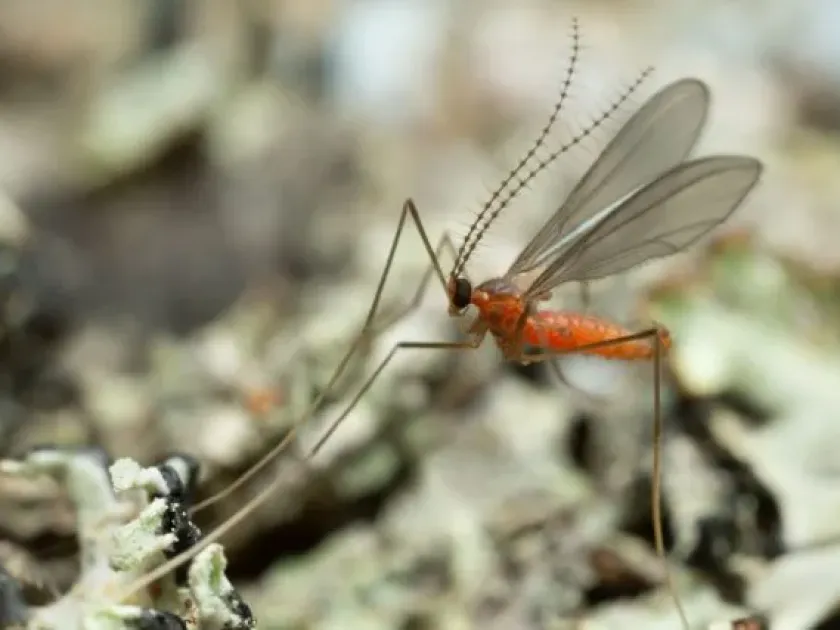
The Grape gall midge (Contarinia viticola) is a small insect belonging to the Diptera order, specifically the Cecidomyiidae family. These insects are extremely tiny, often measuring less than 2 millimeters, making them difficult to detect without careful inspection.
Adult midges are fragile with long antennae and delicate wings. The life cycle involves distinct stages: egg, larva, pupa, and adult. The most critical stage from an agronomic perspective is the larval stage, which resides inside plant tissue.
This pest overwinters primarily as a pupa within the soil layers beneath grapevines. As temperatures rise in spring, adults emerge, and their activity cycles are closely synchronized with the phenological development of the vine.
Monitoring is typically conducted by examining inflorescences during the bud development stage. Agronomists look for signs of abnormal growth, swelling, or stunted development in the buds, which indicate the presence of larvae.
Due to their secretive nature and rapid reproductive cycle, understanding the timing of their emergence is essential. Using sticky traps or pheromone lures can assist in tracking adult flights and timing pesticide applications effectively.
What it damages
The larvae of the Grape gall midge feed internally on the floral buds and developing ovaries of the grapevine. This feeding behavior causes significant physiological stress to the reproductive structures, leading to deformation and potential loss of the fruit.
Affected buds often appear swollen, distorted, or abnormally rounded. In many cases, these buds fail to open or, if they do, they produce stunted flowers that are incapable of successful pollination and fertilization, leading to poor fruit set.
Severe infestations can result in the premature dropping of inflorescences. This not only reduces the immediate yield but can also impact the long-term health of the vine if the damage is widespread across the vineyard canopy.
Furthermore, the damage caused by larval feeding creates entry points for secondary pathogens. This is particularly problematic in humid climates where fungi such as Botrytis cinerea (gray mold) can easily colonize damaged tissues.
The economic impact depends on the severity of the infestation and the susceptibility of the grape variety. Early intervention is necessary to prevent the pest from reaching thresholds that compromise the overall profitability of the vineyard.
Control measures
Management of the Grape gall midge requires an integrated approach that combines cultural practices with chemical control. Cultivating the soil under vines during the pupal stage can physically disturb the overwintering population and reduce emergence in the spring.
Chemical control focuses on applying systemic or contact insecticides during the period when adult midges are active and laying eggs, usually coinciding with the pre-bloom or bud-burst stages of the grapevine.
Sanitation is a vital cultural practice. Regularly removing and destroying damaged buds or infested inflorescences can significantly lower the local population density of the pest, preventing it from spreading to healthy vines.
Key control methods include:
- Applying targeted insecticides during peak adult activity periods.
- Tilling the soil to disrupt the life cycle of overwintering pupae.
- Promoting vine vigor through balanced fertilization to help mitigate damage.
- Installing monitoring traps to track population trends.
By effectively timing interventions and utilizing integrated pest management (IPM) strategies, growers can keep Grape gall midge populations below damaging thresholds while minimizing the use of synthetic chemicals and protecting the environment.
Taxonomy
- Latin name
- Contarinia viticola
- Order
- Diptera (flies)
- Family
- Cecidomyiidae
- EPPO code
- CONTVT
Discussion
No discussions yet — be the first.