
Chokecherry gall midge
Contarinia virginianiae
Description
How to identify
The Chokecherry gall midge (scientific name: Contarinia virginianiae) is a tiny dipteran insect belonging to the Cecidomyiidae family. Adult midges are very small, fragile flies that are rarely seen due to their secretive nature and minute size.
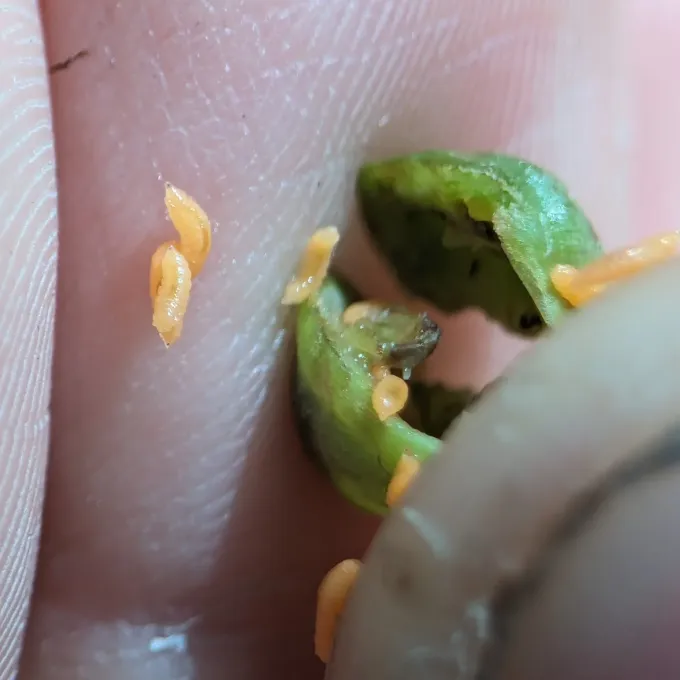
The larvae of this midge are the stage responsible for the damage. They inhabit the developing floral tissues of the host plant, inducing the formation of characteristic galls which serve as both protection and nutrition for the developing larvae.
Because the adults are difficult to spot, identification usually relies on observing the specific symptoms on the host plant. These symptoms are typical indicators of an infestation in nurseries or ornamental gardens.
The life cycle of this species is synchronized with the phenology of its host plant. The female midge typically deposits eggs in the flower buds during the early spring as the buds begin to swell and open.
Understanding the systematic position and the specific biology of this pest is crucial for effective orchard management, as it belongs to a group of gall-inducing midges with highly specialized ecological requirements.
What it damages
The primary host for this pest is the Chokecherry tree (Padus spp.). The gall midge specifically attacks the generative organs, such as buds and young fruit, causing significant physiological and structural damage.
Infected buds or fruit fail to develop normally, becoming deformed and spherical. This distortion stops fruit development, leading to premature drop and loss of potential yield for the plant.
The gall formation alters the nutrient distribution within the plant tissues, negatively affecting the host's overall vitality. This stress can make the plant more susceptible to secondary infections and environmental stressors.
High infestation levels can result in almost total fruit loss, which is particularly problematic in landscape design and nurseries where the fruit display is a key aesthetic feature of the tree.
By interfering with the reproduction of the host plant, the Chokecherry gall midge acts as a significant biotic factor that reduces the long-term success of fruit production in affected areas.
When it appears
Adult emergence typically coincides with the bud break and early flowering stages of the Chokecherry tree in the spring. This timing allows the females to access the most susceptible tissue for egg-laying.
The active oviposition period lasts for several weeks. During this time, the weather conditions play a significant role in the speed of the pest's development and the intensity of the infestation.
Throughout the summer, larvae grow inside the galls, feeding on the inner tissues of the fruit. As they mature, they exit the gall to find a suitable location in the soil for pupation.
The insect spends the winter in the soil beneath the host tree, usually in the pupal stage. This survival strategy provides protection against harsh winter temperatures and helps the species persist in the environment.
This species is univoltine, completing only one generation per year. While this might suggest easier control, the synchronized nature of the attack requires precise timing for any intervention strategy.
Signs of infestation
The most distinctive sign of a Chokecherry gall midge infestation is the presence of abnormal swellings or galls on the fruits and buds. These galls make the fruits look swollen and distorted compared to healthy ones.
If you dissect a galled fruit, you will typically find one or more small, yellowish or white larvae inside a central cavity. This is the definitive diagnostic sign of the presence of the pest.
Affected tissues eventually turn brown, dry out, and shrivel. Premature fruit drop is a common consequence of this activity, leading to thin clusters of fruit on the branches as the season progresses.
- Abnormally swollen and spherical flower buds.
- Deformed fruits that fail to mature properly.
- Small cavities inside the fruit containing larvae.
- Premature fruit abscission and drying of pedicels.
Regular monitoring during the blooming season is the best practice for early detection. Inspecting the canopy for uneven development or discolored buds can help identify an infestation before it spreads.
Control measures
Sanitation practices are essential for control. Removing and destroying infested fruit before the larvae exit into the soil can significantly reduce the pest population in the following year.
Cultivating or turning the soil under the canopy in the late autumn can expose overwintering pupae to cold weather and predators, which helps to decrease the number of emerging adults in the spring.
Chemical intervention should be timed precisely with the late bud stage, just before the flowers fully open. Systemic insecticides are generally the most effective at reaching the larvae inside the developing buds.
Biological control, including the use of entomopathogenic fungi or supporting natural predators like parasitic wasps, can provide sustainable long-term suppression of the midge population.
Maintaining tree health through proper fertilization and watering can improve the plant's resistance. Healthy trees are better able to tolerate and recover from low-level pest infestations.
Taxonomy
- Latin name
- Contarinia virginianiae
- Order
- Diptera (flies)
- Family
- Cecidomyiidae
- EPPO code
- CONTVR
Discussion
No discussions yet — be the first.