
Lotus midge
Contarinia loti
Description
How to identify
The lotus midge (Latin: Contarinia loti) is a small dipteran insect belonging to the Cecidomyiidae family. Adults are tiny, fragile-looking flies, often referred to as gall midges.
The larvae are typically whitish or yellowish, legless, and elongated. Their cryptic lifestyle inside plant tissue makes them difficult to spot during the early stages of infestation.
The life cycle involves a complete metamorphosis: egg, larva, pupa, and adult. They are specifically adapted to thrive during the flowering season of host plants.
Because of their microscopic size, identifying Contarinia loti requires professional entomological tools or specific monitoring traps rather than naked-eye inspection.
These insects are highly host-specific, primarily targeting species within the Lotus genus, which defines their habitat and distribution patterns.
What it damages
The primary host and victim of the lotus midge is the birdsfoot trefoil (Lotus corniculatus), a vital forage and seed crop in many agricultural regions.
The larvae damage the reproductive organs of the plant, specifically the flower buds, which prevents normal pollination and seed development.
By feeding inside the buds, the larvae cause internal tissue damage, leading to the abortion of the flowers before they can produce viable pods.
In addition to cultivated fields, the pest can persist on wild legumes, allowing the population to remain active in the landscape throughout the season.
Severe infestations can lead to significant yield losses, especially in fields dedicated to seed production, where reproductive success is the primary economic goal.
Signs of infestation
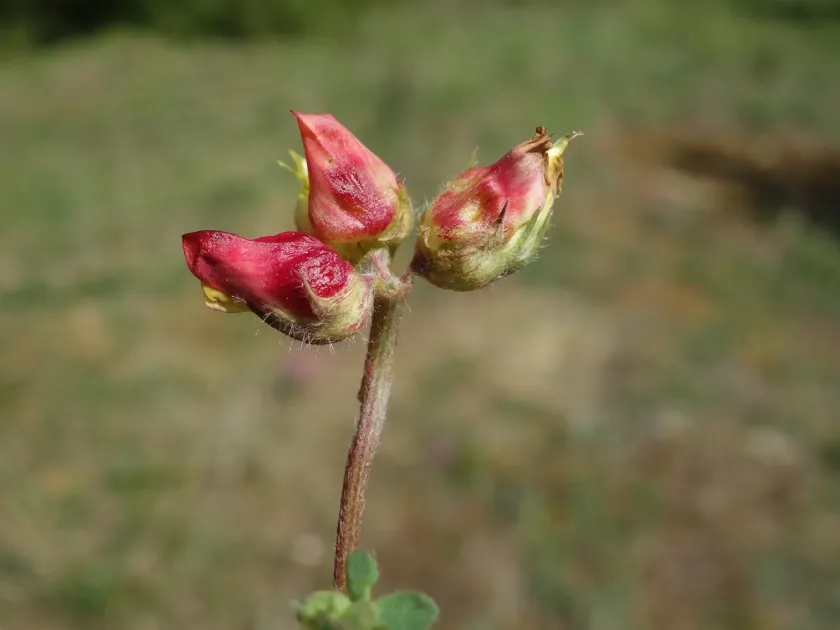
The most distinctive symptom of an infestation is the formation of galls — abnormal swellings on the flower buds caused by the larvae feeding inside.
Infected buds often appear bloated, deformed, and fail to open correctly compared to healthy buds nearby, which may show normal development.
The flowers that are attacked often wither, turn brown, and drop prematurely, resulting in a sparse or irregular flowering appearance in the field.
Observing a field during bloom reveals "patchy" flowering, where infested areas show significantly reduced flower numbers due to early bud death.
Closer examination of the deformed buds usually reveals the presence of small, pale larvae clustered within the damaged tissues.
Control measures
Crop rotation is the most effective cultural practice to disrupt the midge's life cycle and prevent the buildup of local populations.
Deep plowing in late autumn or early spring can bury the pupae, which overwinter in the top layer of the soil, significantly reducing the emergence of adults.
Timely mowing of the forage crop before the larvae have completed their development can prevent the next generation from reaching maturity.
Chemical control should be targeted during the adult emergence phase, which occurs before egg-laying commences within the buds.
- Maintain spatial separation between old fields and new seed crops.
- Use yellow sticky traps to monitor adult migration and flight peaks.
- Apply selective insecticides if economic injury thresholds are exceeded.
- Ensure field hygiene to minimize refuge areas for the pest.
Taxonomy
- Latin name
- Contarinia loti
- Order
- Diptera (flies)
- Family
- Cecidomyiidae
- EPPO code
- CONTLT
Discussion
No discussions yet — be the first.