
Grape blossom midge
Contarinia johnsoni
Description
How to identify
The Grape blossom midge (Contarinia johnsoni) is a small insect belonging to the order Diptera and the family Cecidomyiidae.
Adult midges are minute flies, typically measuring only 2 to 3 millimeters in length, making them very difficult to observe in the field.
They possess a slender body, often yellowish-brown in color, which helps them blend into the foliage and buds of the grapevine.
The larvae are small, legless, and creamy-white, adapted for feeding inside the tight environment of the flower bud.
Accurate identification usually involves specialized pheromone traps or microscopic examination of the suspected bud tissues.
What it damages
The larvae of the Grape blossom midge primarily feed on the developing flower buds of the grapevine during the pre-bloom stage.
By entering the bud, they destroy the floral organs, which prevents the grape plant from successfully setting fruit.
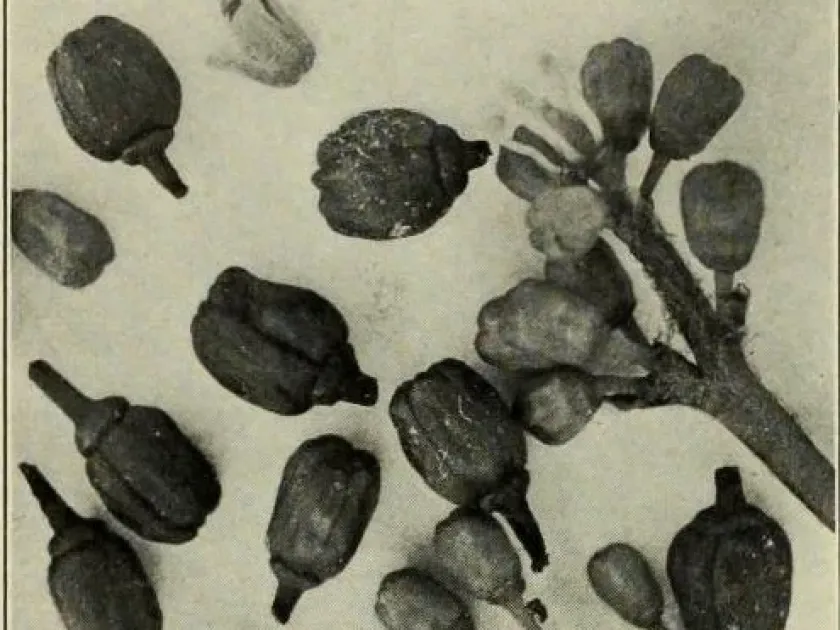
The feeding activity often results in the gall-like distortion of the bud, which becomes swollen and enlarged compared to healthy buds.
Heavy infestations can cause significant thinning of the grape clusters, leading to severe yield reductions in affected vineyards.
This pest is highly specialized, and its synchronization with the grape blooming cycle makes it particularly detrimental to viticulture.
When it appears
The life cycle of the Grape blossom midge is synchronized with the development of the grape plant, typically emerging in the spring.
Adult emergence from the soil occurs as the grape vines begin to develop their new season's growth and flower clusters.
The adult stage is short-lived, with the primary objective being mating and oviposition directly into the tender grape buds.
Larval development takes place over several weeks, followed by the larvae dropping to the soil to pupate.
Climatic factors, such as temperature and humidity, play a crucial role in the timing and intensity of the midge's annual cycle.
Signs of infestation
The most distinctive sign of infestation is the presence of abnormally swollen or bloated flower buds that do not open normally.
These damaged buds often turn discolored, fading to a lighter yellow or sometimes displaying a reddish tinge.
Affected clusters show signs of premature wilting and abscission, where buds drop off the vine before the fruit set occurs.
Dissecting a swollen bud will typically reveal one or more small, legless larvae feeding inside the internal tissues.
A widespread occurrence of fallen buds on the ground during the early season is a strong indicator of midge activity in the area.
Control measures
Cultural control involves tilling the soil beneath the vines in the fall and early spring to disrupt the pupation cycle of the midge.
Chemical control focuses on applying appropriate insecticides during the critical period just before the buds bloom to target the adults.
Monitoring populations with pheromone traps is essential for making informed decisions regarding the timing of insecticide applications.
Sanitation practices, such as removing and destroying infested clusters, can help reduce the local population of the pest.
Integrated Pest Management (IPM) strategies, combining monitoring and timely chemical or cultural intervention, remain the most effective approach.
Taxonomy
- Latin name
- Contarinia johnsoni
- Order
- Diptera (flies)
- Family
- Cecidomyiidae
- EPPO code
- CONTJO
Discussion
No discussions yet — be the first.