
Hazel leaf gall midge
Contarinia coryli
Description
How to identify
The hazel leaf gall midge Contarinia coryli belongs to the Diptera order, specifically the Cecidomyiidae family. These are extremely small insects, with adults typically measuring only 2–3 mm in length.
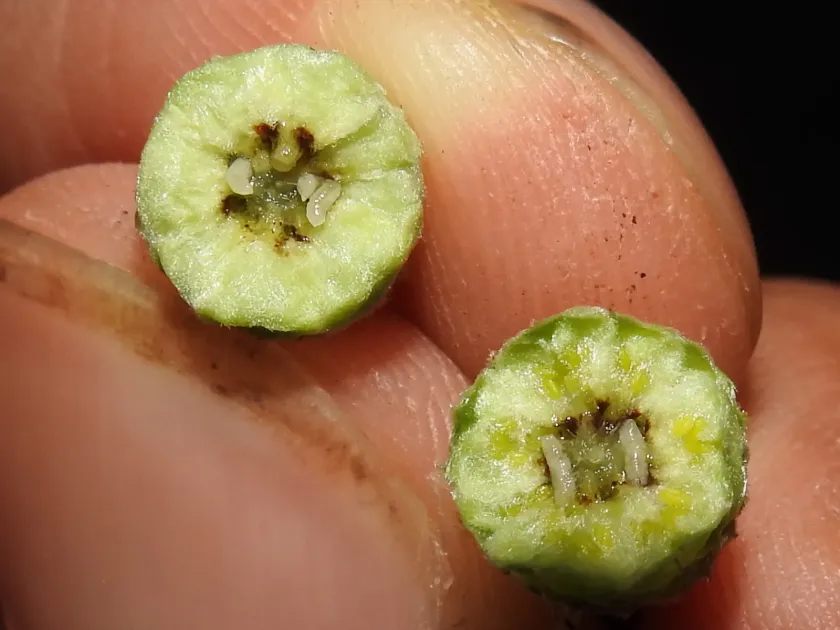
The larvae of this pest are legless, pale or yellowish in color, and lead a hidden lifestyle within plant tissues. Their delicate bodies are specialized for internal feeding on host plant structures.
The life cycle of the midge is closely synchronized with the phenology of hazelnut trees. Adult midges emerge in spring, coinciding with bud burst, which is the most critical time for oviposition.
Wintering occurs primarily in the larval stage, either in the soil beneath the canopy or within damaged buds that remain on the branches throughout the colder months.
The development of Contarinia coryli includes a complete metamorphosis process. Depending on climatic conditions, the midge may produce one or several generations per growing season.
What it damages
This pest exclusively targets plants of the genus Corylus, causing significant damage to both commercial and wild hazelnut plantations by feeding on developing buds.
The larvae induce the formation of galls—abnormal tissue growths. These growths disrupt the plant's metabolic processes and prevent the proper development of new vegetative and reproductive shoots.
As a result of the larvae feeding, buds often fail to open, or if they do, they produce stunted, deformed growth that lacks vigor and fails to produce healthy leaves or nuts.
Heavy infestations can lead to a drastic reduction in nut yield, as the midge destroys the generative buds that would otherwise become the future harvest.
The weakened state of the affected trees makes them more susceptible to secondary infections and opportunistic diseases, potentially reducing the overall longevity of the hazelnut orchard.
Signs of infestation
The primary symptom of infestation is the premature swelling and enlargement of buds in early spring, which creates an asymmetric or distorted appearance.
If an infested bud is opened, one can typically find small, pale, legless larvae clustered within the bud tissues, actively feeding on the plant's sap.
In mid-summer, visible signs include the premature drying and shriveling of affected buds, which eventually drop from the branches, leaving empty spots on the shoots.
Stunted shoot development and a generally unthrifty appearance of the branches indicate high population levels of Contarinia coryli within the orchard.
Tiny exit holes on the surface of buds or young twigs indicate that adult midges have successfully emerged to continue their reproductive cycle.
Control measures
Cultural control practices, such as the systematic pruning and destruction of infested buds during late winter or early spring, are highly effective in reducing midge populations.
Cultivating or tilling the soil beneath the tree canopy can disrupt the lifecycle of larvae or pupae that overwinter in the ground, exposing them to environmental stresses.
Chemical control is most effective when applied during the period of adult emergence. Systemic insecticides are often recommended to reach the larvae hidden inside the plant tissues.
Biological control, which involves the protection or introduction of natural predators and parasitoids, can help manage populations in an integrated pest management program.
- Monitoring adult flight activity using yellow sticky traps placed in the orchard.
- Removing unwanted root suckers that can serve as alternative breeding sites.
- Maintaining healthy tree vigor through proper fertilization to improve tolerance to pest pressure.
Taxonomy
- Latin name
- Contarinia coryli
- Order
- Diptera (flies)
- Family
- Cecidomyiidae
- EPPO code
- CONTCO
Discussion
No discussions yet — be the first.