
Chrysanthemum gall midge
Contarinia chrysanthemi
Description
How to identify
The chrysanthemum gall midge (Contarinia chrysanthemi) is a tiny insect belonging to the Cecidomyiidae family, order Diptera. Adult midges are very small, measuring approximately 1–2 mm, and are often overlooked in the garden.
The life cycle of the midge involves an egg stage, several larval instars, a pupal stage, and the adult fly stage. Females lay eggs in clusters on young foliage or inside developing buds.
Upon hatching, larvae penetrate the plant tissue. They secrete specific substances that cause the plant to form "galls" — abnormal growths or swellings — which provide both food and protection for the larvae.
Pupation typically occurs inside these galls or in the soil beneath the host plant, depending on the generation and environmental conditions.
The insect overwinters as larvae or pupae in the soil or within infested plant debris, emerging as adults when spring temperatures begin to rise.
What it damages
This pest exclusively targets chrysanthemum species. Both outdoor garden varieties and indoor greenhouse-grown flowers are highly susceptible to infestation.
The damage is caused primarily by the feeding larvae, which drain nutrients from the plant's developing tissues, leading to weakened growth and reduced vitality.
Inflorescence damage is the most critical issue, as infested buds often fail to bloom properly or produce severely malformed flowers, rendering them unsellable.
Heavy infestations can lead to significant aesthetic damage, causing entire beds of chrysanthemums to lose their ornamental value within a single growing season.
For commercial growers, this pest is considered a serious threat because even a small population can quickly lead to widespread crop failure if not managed early.
When it appears
The adult midge activity typically begins in late spring, around May or June, coinciding with the rapid growth of new chrysanthemum shoots.
In favorable conditions, particularly in greenhouses, the insect can produce several overlapping generations throughout the year, causing continuous pressure on the plants.
The peak of damage usually occurs during the mid-to-late summer months when the weather is warm and the plant tissue is at its most vulnerable stage for larval development.
Cooler autumn weather prompts the population to prepare for winter dormancy, ending the active cycle of infestation for the current season.
The duration of each generation varies, but the combination of high humidity and moderate temperatures significantly accelerates their development.
Signs of infestation
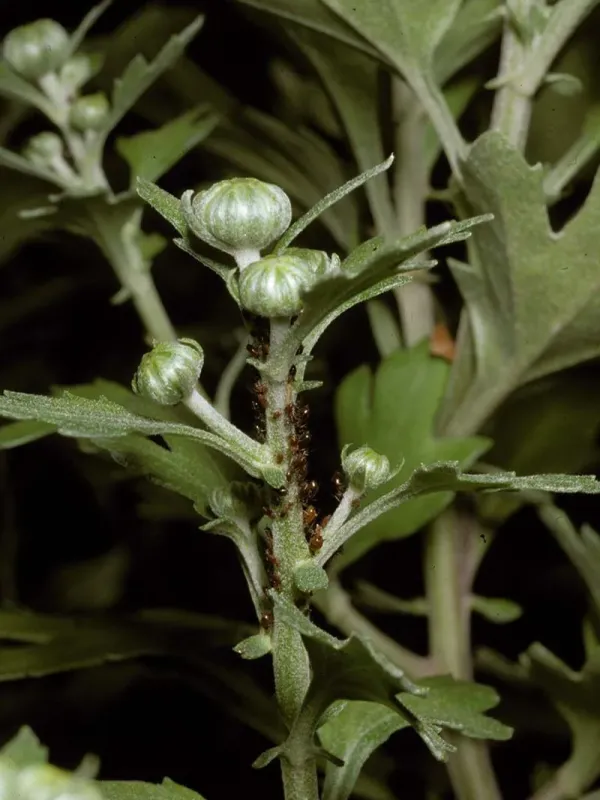
The most visible sign of infestation is the formation of small, cone-shaped swellings or galls on the leaves, stems, and especially on the flower buds.
Affected leaves often appear twisted, stunted, or yellowed, and the stems may exhibit stunted growth due to the diversion of nutrients to the galls.
Flower buds are the primary target; if they fail to open or appear misshapen, it is a strong indicator of midge presence inside the tissues.
Close inspection of a gall often reveals tiny, creamy-white or orange larvae feeding inside the swollen tissue of the plant.
- small cone-shaped galls on leaves and stems;
- distorted, twisted, or stunted leaf growth;
- malformed or unopened flower buds;
- presence of tiny larvae hidden inside plant tissues.
Control measures
Cultural control is the first line of defense: remove and destroy all infested plant material promptly to prevent the spread of the next generation.
Strict sanitation is essential; clear all fallen leaves and debris from the base of the plants at the end of the season to eliminate overwintering sites.
Chemical control should focus on the use of systemic insecticides that are absorbed by the plant, targeting the larvae safely hidden inside the galls.
Integrated pest management (IPM) practices, including the use of yellow sticky traps, help to monitor adult fly activity and determine the optimal timing for intervention.
If the infestation is severe, rotating crops or sterilizing the growing medium in greenhouses is highly recommended to break the life cycle of the midge.
Taxonomy
- Latin name
- Contarinia chrysanthemi
- Order
- Diptera (flies)
- Family
- Cecidomyiidae
- EPPO code
- CONTCH
Discussion
No discussions yet — be the first.