
Clinodiplosis
Clinodiplosis
Description
How to identify
Clinodiplosis is a genus of tiny insects belonging to the family Cecidomyiidae (gall midges) within the order Diptera. Physically, the adults resemble minute flies with a distinct wing venation pattern.
Identification of species within this genus is highly challenging due to their microscopic size. Precise classification often requires laboratory examination of male genitalia under high magnification.
The larvae of these gall midges exhibit a typical form: they are apodous (legless), maggot-like, and usually pale or yellowish in color, typically measuring only 2 to 3 millimeters in length.
While many species in this genus are phytophagous, the group is diverse, and some species are predatory, feeding on other small pests such as aphids or spider mites, which complicates their ecological status.
This genus is widely distributed across various climate zones and has evolved to exploit specific niches within plant tissues, making them highly adaptable pests.
What it damages
These insects affect a broad range of agricultural, ornamental, and forestry crops, including cereals, legumes, and various fruit-bearing plants.
The primary damage is caused by the larvae, which feed on the generative organs of plants during their development, often leading to tissue deformation or complete necrosis.
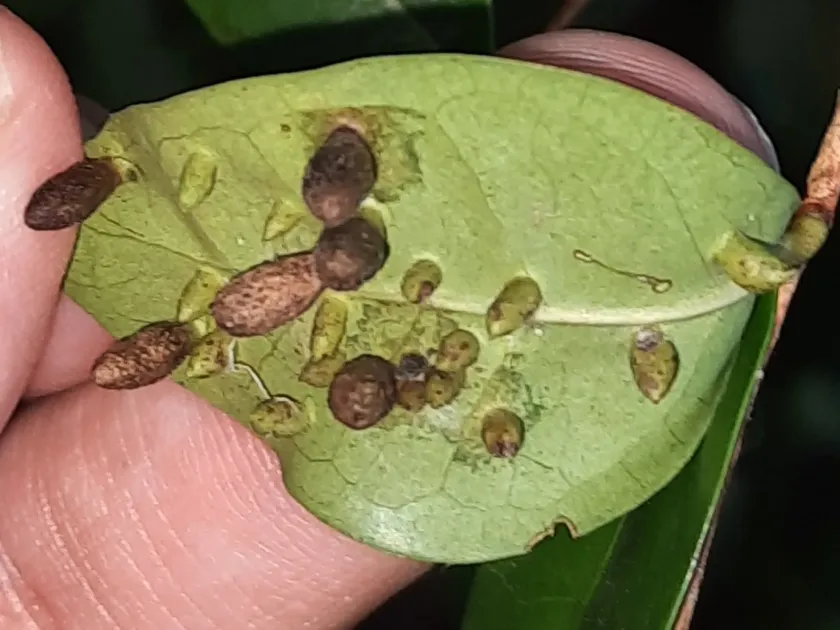
Certain Clinodiplosis species induce the formation of galls — localized abnormal plant growths that serve as both food sources and protective environments for the developing larvae.
In commercial crop production, these pests can significantly reduce seed yields by damaging the ovaries and preventing the proper development of fruits and grains.
Furthermore, the physical wounds caused by larval feeding often facilitate the entry of secondary pathogens, such as fungi and bacteria, leading to further crop decay.
When it appears
The life cycle of Clinodiplosis is strictly synchronized with the phenology of their host plants, ensuring that the emergence of new generations coincides with the availability of suitable nutrient-rich tissues.
They typically overwinter as larvae or pupae tucked away in the soil, within plant debris, or beneath tree bark to withstand harsh seasonal conditions.
Adult emergence generally occurs in the spring or early summer, triggered by sustained warmer temperatures that facilitate mating and oviposition on vulnerable plant parts.
Depending on the latitude and local climate, these insects can complete one or several generations within a single growing season.
Peak activity and damage levels are most critical during flowering and initial fruit setting stages, which are the most nutritionally valuable times for the pest's development.
Signs of infestation
The most visible sign of infestation is the appearance of abnormal thickenings, swellings, or distinct galls on leaves, stems, or within flower buds and inflorescences.
Dissecting these symptomatic plant parts often reveals small clusters of mobile, often brightly colored (white to reddish-orange) larvae living inside the damaged tissue.
Affected plants often display signs of physiological stress, including stunted growth, premature yellowing, leaf drop, flower abortion, and malformation of fruits.
In cereal crops, infestations may lead to empty heads or poorly developed kernels, which become noticeable during the grain filling and ripening phases.
External tissue damage, characterized by broken epidermis or signs of secondary rotting around the site of larval activity, is also a frequent indicator of presence.
Control measures
The primary defense strategy is based on agronomic practices: deep plowing during autumn effectively destroys overwintering pupae and larvae located in the soil.
Strict crop rotation protocols are essential to prevent the buildup of pest populations, ensuring that susceptible host plants are not grown on the same field for consecutive years.
Effective weed management is vital, as various wild plant species often serve as intermediate reservoirs for gall midge reproduction.
Chemical control involving systemic or contact insecticides should be applied during peak adult flight periods, which requires precise monitoring using yellow sticky traps.
Biological control methods leverage natural enemies, such as parasitic wasps (parasitoids), which play a significant role in suppressing gall midge populations in sustainable agricultural systems.
Taxonomy
- Latin name
- Clinodiplosis
- Order
- Diptera (flies)
- Family
- Cecidomyiidae
- EPPO code
- CLINSP
Discussion
No discussions yet — be the first.