
Douglas fir aphid
Cinara taxifolia
Description
How to identify
Cinara taxifolia is a member of the Aphididae family, specifically adapted to feed on Pseudotsuga species. It is a significant pest that can cause substantial damage to these conifers if left uncontrolled.
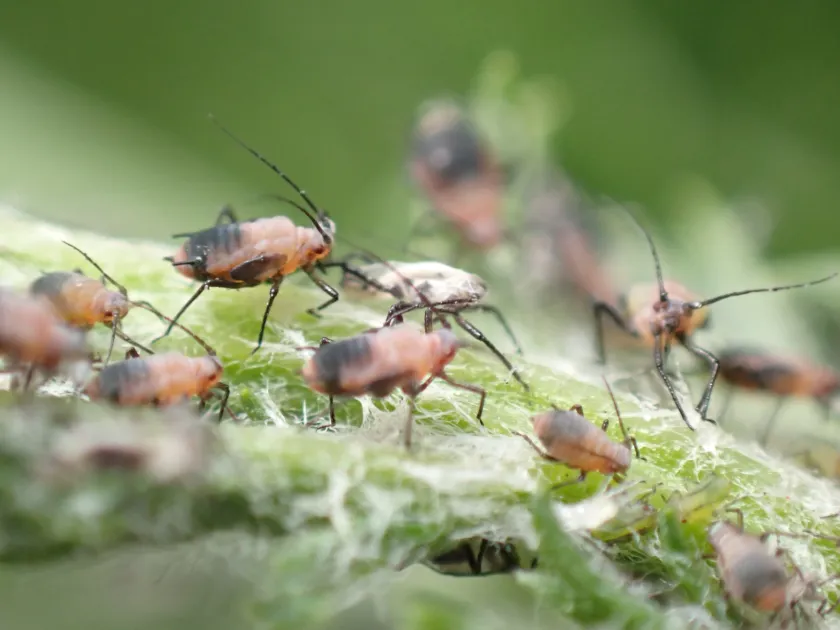
The adults are relatively large aphids with a dark coloration, allowing them to blend into the bark of their host trees effectively during the active growing season.
Their bodies are often covered in a wax-like powder, providing a structural defense mechanism against environmental stressors and potential predator threats within the canopy.
The species reproduces both sexually and parthenogenetically, which allows for rapid population explosions, particularly during favorable spring and early summer temperatures.
Winged morphs are periodically produced, facilitating the spread of the infestation to adjacent trees and increasing the geographical scope of the damage within a stand.
What it damages
The primary host is the Douglas fir. The aphids typically cluster on young branches and twigs, preferring soft bark tissue that allows for easy penetration by their mouthparts.
By constantly extracting phloem sap, the aphids drain the tree of vital nutrients, leading to physiological stress that inhibits regular shoot development and overall growth.
Heavy infestations can cause needles to yellow, wither, and drop prematurely, significantly impacting the aesthetics and health of ornamental Douglas fir trees.
The accumulation of honeydew secreted by the aphids serves as a substrate for sooty mold growth, which further covers the needles and blocks photosynthetic activity.
Severe and prolonged outbreaks may weaken the tree's defense systems, making it more susceptible to opportunistic diseases and secondary infestations by wood-boring insects.
When it appears
The lifecycle begins early in the year as rising temperatures trigger the hatching of overwintering eggs deposited in the cracks of the tree bark or on needles.
Populations tend to reach their peak density during late spring and early summer, taking full advantage of the surge in tree sap flow and ideal climate conditions.
Natural predator populations, such as lady beetles and lacewings, often increase in response to the aphid presence by mid-summer, providing some level of natural regulation.
As autumn approaches, the biological cycle shifts towards the production of sexual individuals, culminating in the deposition of eggs to survive the winter period.
Monitoring for the presence of early colonies is crucial, as early intervention can prevent the establishment of the massive swarms observed in later summer months.
Signs of infestation
Sticky honeydew on the needles and twigs is the most immediate sign of an active colony, often accompanied by the presence of ants tending the aphids.
A black, crusty coating known as sooty mold frequently develops on the foliage, confirming the presence of significant sap-sucking activity by the aphid colonies.
Premature needle yellowing and thinning of the canopy are classic symptoms of prolonged nutritional depletion caused by heavy feeding on the tree's vascular system.
Physical inspection of the twigs will reveal rows of dark, slow-moving insects clustered tightly together, often located near the base of needles or on smaller branches.
In cases of severe infestation, the branches may show signs of deformation or stunted growth due to the persistent removal of nutrients during the growing phase.
Control measures
Chemical control is generally achieved through the application of systemic insecticides that are absorbed by the tree and provide long-lasting protection against aphids.
Integrated Pest Management (IPM) practices, including the preservation of beneficial insects and habitat management, are recommended for long-term ecological balance.
Proper horticultural care, such as adequate watering and balanced fertilization, helps the trees maintain their vigor and recover more quickly from aphid feeding damage.
In residential settings, periodic monitoring and the use of insecticidal soaps can be effective for managing small populations before they reach epidemic levels.
- Apply systemic insecticides like imidacloprid or acetamiprid when activity is first detected.
- Install sticky bands on trunks to interfere with ant traffic and reduce aphid protection.
- Use high-pressure water sprays to physically dislodge aphids from small, accessible trees.
- Promote biodiversity in the surrounding area to support native populations of aphid predators.
Taxonomy
- Latin name
- Cinara taxifolia
- Order
- Hemiptera (bugs, aphids, leafhoppers)
- Family
- Aphididae
- EPPO code
- CINITX
Discussion
No discussions yet — be the first.