
Chrysotypus
Chrysotypus
Description
How to identify
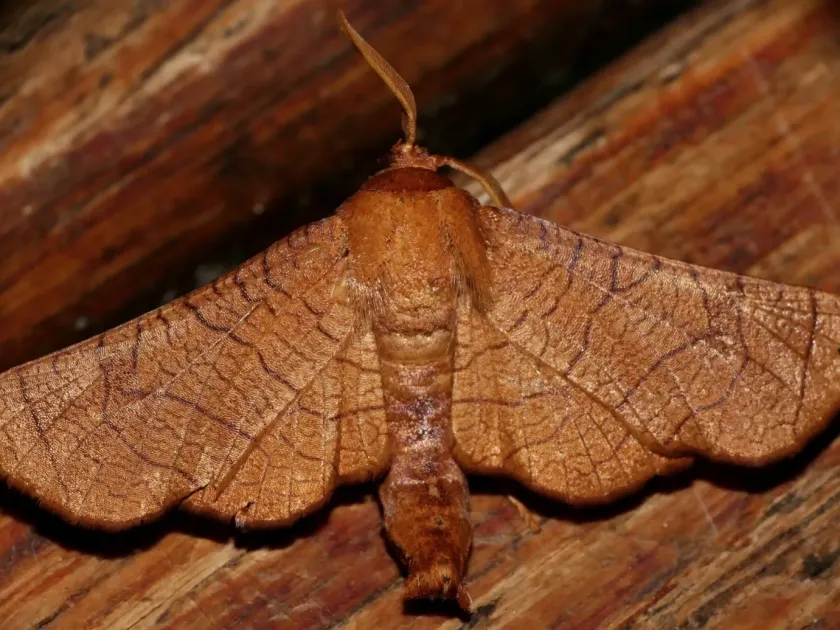
Chrysotypus is a genus of moths belonging to the family Thyrididae (window-winged moths). These insects are known for their unique wing morphology and specific flight patterns that allow them to occupy diverse niches in tropical and subtropical regions.
The adult moths are typically small and often exhibit cryptic coloration, which provides excellent camouflage against tree bark or leaves. Identifying the species accurately often requires professional entomological examination.
The life cycle follows a complete metamorphosis: egg, larva (caterpillar), pupa, and adult. The larval stage is the most destructive, characterized by a well-developed chewing mouthpart designed for consuming plant tissues efficiently.
Caterpillars of this genus are often found inside leaf rolls or protected by silk webbing, which they create to secure themselves while feeding. This behavior protects them from predators and environmental extremes.
For monitoring purposes, agronomists utilize light traps or pheromone lures to track the population density of adults in the field, helping to forecast potential outbreaks and timing management actions.
What it damages
Chrysotypus larvae primarily feed on various foliage, damaging both wild woody plants and cultivated crops. By consuming leaf lamina, they reduce the plant's ability to perform photosynthesis, leading to stunted development.
The caterpillars create characteristic holes and skeletal patterns in leaves, which significantly compromise the plant's overall health. In severe infestations, the foliage may curl and wither, resulting in a loss of vigor.
Open wounds left by the feeding larvae create entry points for secondary infections. Fungal pathogens and bacteria often colonize these damaged areas, causing necrosis and further weakening the structural integrity of the plant.
For nursery plants and ornamental species, even minor damage can result in significant economic loss due to aesthetic degradation. Deformed leaves and stunted shoots render the plants commercially unviable.
Chronic infestations can lead to premature leaf drop and reproductive failure in sensitive crops, requiring consistent monitoring to prevent the spread to adjacent areas and minimize yield losses.
Signs of infestation
One of the most obvious signs of infestation is the presence of curled leaves stitched together with silk threads. Inspecting the interior of these rolls usually reveals the caterpillar or its frass.
Small, irregular holes in the leaf surface that gradually increase in size are indicative of active feeding. These feeding sites often turn brown or yellowish, providing a clear visual map of the pest's activity.
Egg clusters can sometimes be found on the underside of leaves or near the leaf veins. Early detection of these clusters is vital for controlling the pest population before larvae emerge and start damaging the plant.
The presence of fine, sandy-like frass accumulating on the leaves or falling to the ground beneath the canopy is a strong indicator of an active population of larvae feeding above.
During the evening, adults may be observed flitting among the foliage. Increased moth activity at dusk is a precursor to a new wave of egg-laying, signaling the need for immediate preventive measures.
Control measures
A successful integrated pest management (IPM) strategy for Chrysotypus involves a combination of mechanical removal, biological control, and targeted chemical applications when necessary.
Sanitation practices, including the pruning and immediate destruction of infested shoots and rolled leaves, are essential for reducing the local population and limiting the damage potential for the remainder of the season.
Biological control using microbial insecticides, particularly those containing Bacillus thuringiensis, is highly effective against early-instar larvae while remaining safe for beneficial predatory insects.
Chemical control should be applied strictly according to the economic threshold. Systemic insecticides are preferred as they penetrate the plant tissues, effectively targeting the larvae hiding within the curled leaves.
Rotation of chemical groups is mandatory to delay the development of resistance. Regular field inspections post-treatment are necessary to evaluate the efficacy of the control program and prevent re-infestation.
Taxonomy
- Latin name
- Chrysotypus
- Order
- Lepidoptera (butterflies)
- Family
- Thyrididae
- EPPO code
- CHRTSP
Discussion
No discussions yet — be the first.