
Chondrina
Chondrina
Description
How to identify
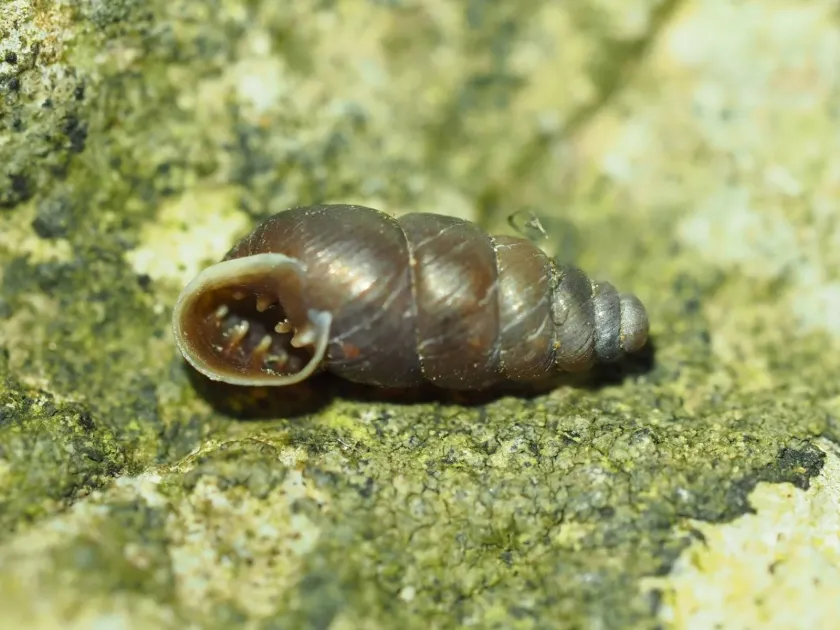
Chondrina is a genus of land snails belonging to the family Chondrinidae, characterized by their small, elongated, and often conical shells that typically measure between 4 to 10 millimeters.
The shells exhibit a brown or horn-colored appearance with distinct fine ribs, and the aperture usually contains specific tooth-like lamellae, which are vital features for accurate identification.
These mollusks prefer humid and shaded environments, often residing in rocky crevices, limestone areas, or dense vegetation surrounding agricultural fields.
Their biology is highly moisture-dependent; during drought, they enter a state of dormancy, sealing themselves to surfaces to prevent dehydration until better conditions return.
Reproduction involves laying eggs in soil or under debris, with the population density fluctuating significantly based on annual precipitation and available food sources.
What it damages
Chondrina can cause notable damage to young seedlings and horticultural crops by consuming succulent tissues during the early stages of plant development.
Commonly targeted plants include vegetable seedlings, young ornamental flowers, and tender shoots of various crops, particularly in areas with poor drainage or excess humidity.
The snails skeletonize leaves by feeding on the soft tissue between the veins, which hampers the plant's ability to perform photosynthesis and stunts its growth.
In greenhouse settings, where environmental conditions are optimized for plant growth, these snails can thrive and cause disproportionate damage if left uncontrolled.
Furthermore, the slime trail left behind by these pests covers plant surfaces, which can interfere with physiological gas exchange and may invite opportunistic fungal pathogens.
Signs of infestation
The primary sign of a Chondrina infestation is the appearance of irregular, ragged-edged holes in the leaves, often resulting in complete consumption of leaf tissue in severe cases.
Visible silvery, dried mucus trails on the soil surface, around the stems, or on the walls of greenhouses are clear indicators of mollusk presence.
Active specimens can often be spotted during nighttime or immediately after rain, as they emerge from hiding to feed on available vegetation.
Stunted growth or sudden wilting of young seedlings without visible signs of root decay often point to nocturnal feeding by land snails on the stems or root collars.
The presence of empty shells on the soil surface or stuck to plant stalks also serves as a strong indicator of a local colony residing nearby.
Control measures
Effective management begins with cultural practices, such as removing debris and weeds that provide refuge and moisture for snails during the daytime.
Improving soil drainage is essential to reduce the localized humidity levels that attract these mollusks and facilitate their movement across your planting beds.
Physical barriers, such as spreading abrasive materials like crushed eggshells, wood ashes, or coarse sand around susceptible plants, can deter snails from reaching them.
Chemical control using molluscicides, specifically those containing iron phosphate, is recommended for direct application around infested areas to keep populations below economic thresholds.
Biological control methods include encouraging natural predators like toads, hedgehogs, and predatory beetles, which can play a significant role in limiting snail numbers in a balanced garden ecosystem.
Taxonomy
- Latin name
- Chondrina
- Order
- Molluscs
- Family
- Chondrinidae
- EPPO code
- CHNDSP
Discussion
No discussions yet — be the first.