
Abida secale
Abida secale
Description
How to identify
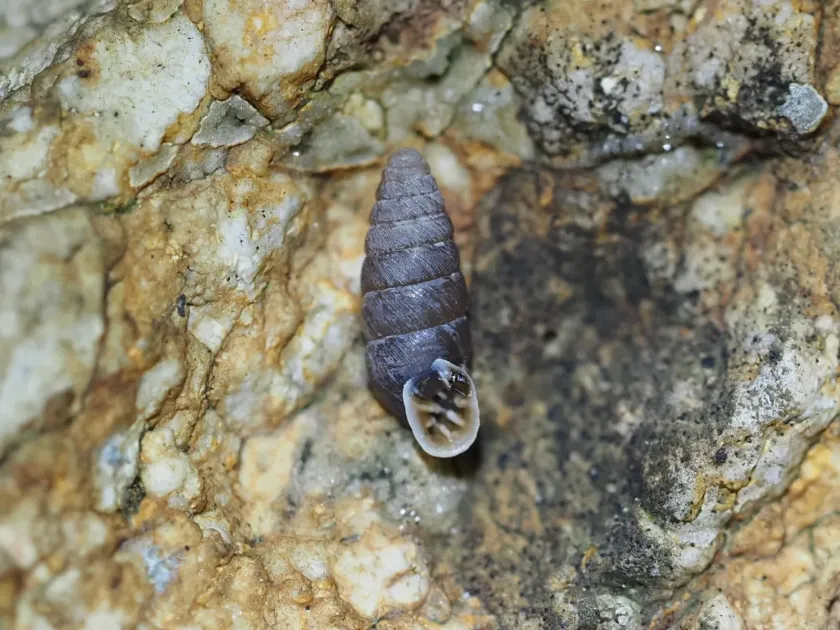
Abida secale is a small terrestrial gastropod mollusk belonging to the family Chondrinidae. It is characterized by a tiny, elongated, cylindrical, or spindle-shaped shell, usually brownish or horn-colored.
Due to their small size, these snails are often difficult to detect among soil clumps and debris. A key diagnostic feature for identification is the presence of specific teeth-like structures within the aperture of the shell.
This species is primarily nocturnal, preferring dark, damp environments. During the day, they remain hidden under stones, dense vegetation, or within the top layer of moist, loose soil.
Their biological cycle is strongly dependent on environmental humidity, as they are highly susceptible to desiccation. Activity levels are significantly higher during overcast weather or night hours when moisture loss is minimal.
Reproduction involves laying eggs in moist soil or beneath organic cover. The development of juveniles is contingent upon favorable temperature conditions and the immediate availability of food sources.
What it damages
This mollusk is a polyphagous pest, meaning it feeds on a wide range of plant tissues. In agricultural settings, it can cause significant damage to young seedlings of vegetables, herbs, and ornamental plants.
The snail scrapes away the soft epidermis of leaves, causing irregular holes or completely consuming the leaf surface. High population densities can lead to severe stunting or the total loss of delicate seedlings.
Damage is most prevalent in greenhouses and shaded garden beds where high humidity and stable conditions promote rapid population growth. In these areas, the pest can quickly overwhelm plant patches.
In addition to physical consumption, these mollusks can act as vectors for fungal and bacterial pathogens. Damaged plant tissues serve as entry points for secondary infections, which can kill or severely weaken the crop.
Succulent plants, especially those low to the ground or exhibiting rapid growth, are the most attractive targets for Abida secale. Early signs of damage are often found on lower leaves contacting the soil.
When it appears
The activity of Abida secale typically begins in early spring as soon as soil temperatures reach a comfortable threshold. Peak damage occurs during the damp months of spring and autumn.
During intense summer heat and drought, the snails enter an estivation phase. They bury themselves deep into the soil or find protected, moist shelters to avoid dehydration and stop feeding.
As temperatures drop and rainfall increases in the autumn, their activity resumes. They actively feed and reproduce before the onset of winter.
Wintering occurs in the soil or under layers of decaying leaves. They are capable of surviving the cold season in both adult and egg stages, provided the winter is not excessively dry.
In indoor agricultural environments such as greenhouses, seasonality is less pronounced. With consistent microclimate management, these pests can remain active and reproduce throughout the year.
Signs of infestation
The most reliable sign of an Abida secale presence is the trail of dried mucus on soil or plant stems, which appears as a glistening silvery streak. These trails are often visible after nighttime feeding.
Leaf damage manifests as ragged-edged holes or patches where the top layer of tissue has been scraped off. The damage is often found on the underside or edges of leaves near the ground.
During evening hours, especially after watering or rain, individuals can be seen on stems or near the base of plants. They can also be found by inspecting debris or boards left on the soil surface.
Unexpected wilting of seedlings, despite adequate soil moisture, can suggest the roots or lower stems are being grazed by these snails. Close inspection of the soil line is advised.
Regular monitoring of plants, particularly in the lower canopy, allows for early detection of an infestation, helping to prevent the rapid increase of the mollusk population.
Control measures
- Regular soil cultivation and hoeing to destroy hiding spots and egg clutches.
- Establishing physical barriers using gravel, wood ash, or crushed eggshells around plants.
- Hand-picking snails in the evening or using board traps to gather them for manual removal.
- Removing weeds and plant debris that provide cover and supplemental food.
- Using iron phosphate-based molluscicides around sensitive crops when populations exceed thresholds.
Taxonomy
- Latin name
- Abida secale
- Order
- Molluscs
- Family
- Chondrinidae
- EPPO code
- ABIDSE
Discussion
No discussions yet — be the first.